Iran Blocks Strait of Hormuz After Brief Reopening
- Iran fired on ships attempting to transit the Strait of Hormuz, forcing vessels to reverse course after earlier declaring the waterway open
- Two ships reported being attacked while trying to cross, with Iranian forces ordering vessels to abort passage
- The reversal came within hours of Iran announcing the strait was “completely open,” citing continued US naval blockade of Iranian ports
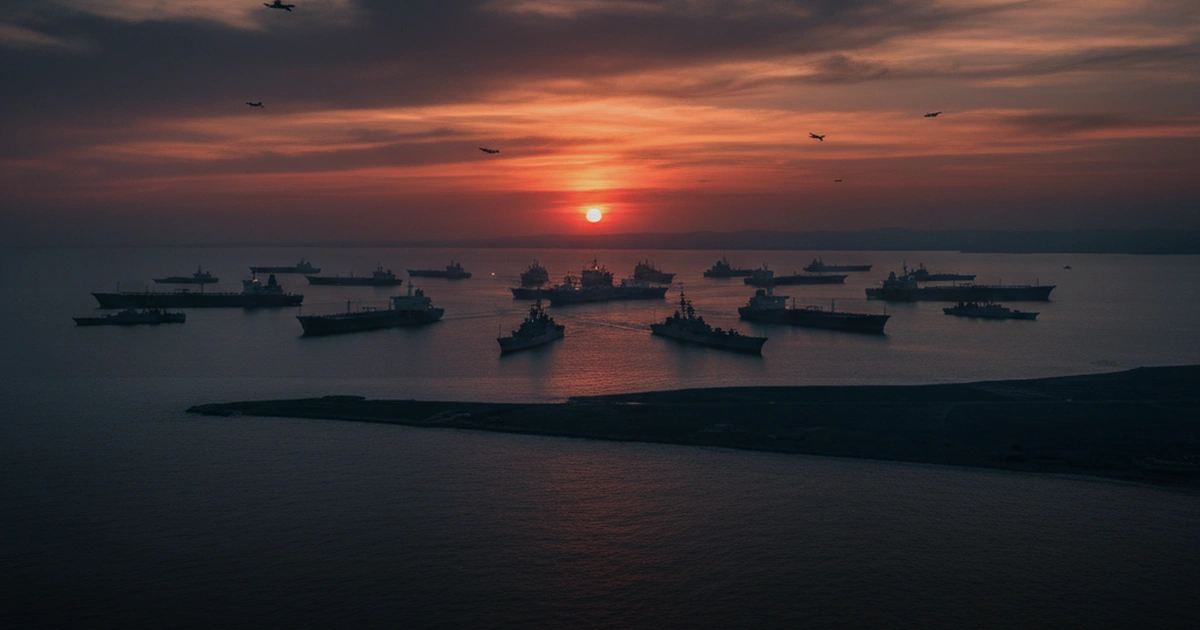
Iran reimposed its blockade of the Strait of Hormuz on April 18, firing on ships and forcing vessels to reverse course just hours after declaring the critical waterway open. The reversal highlighted the fragile state of negotiations between Washington and Tehran as both sides use the strait as leverage.
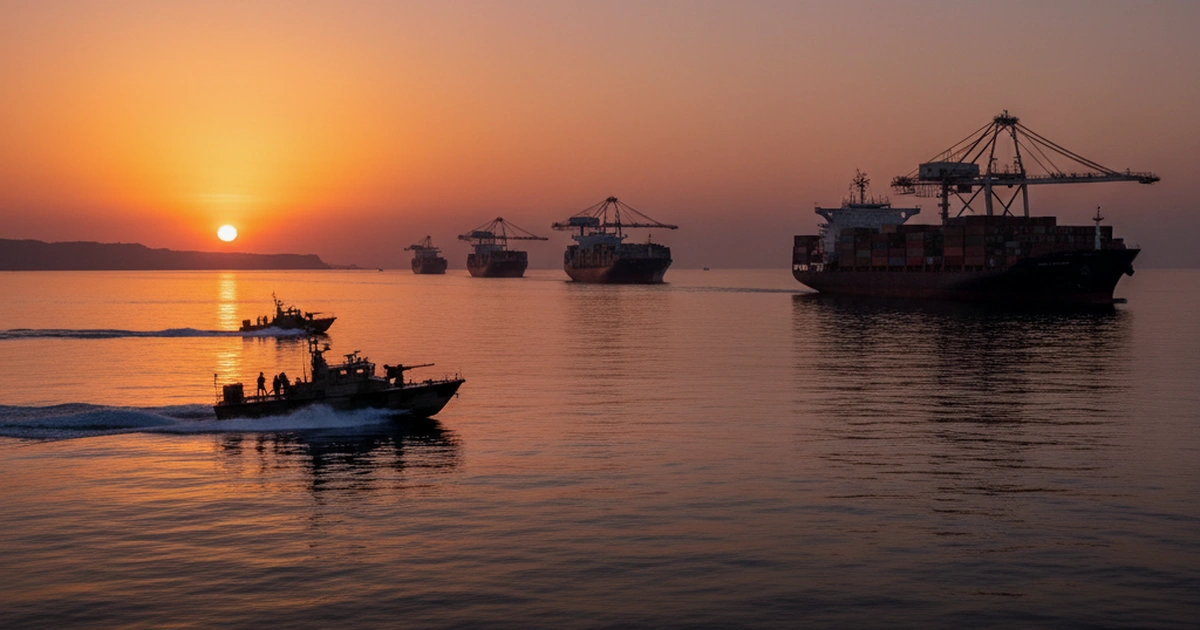
Iranian forces ordered vessels to abort their passage through the strait. Two ships reported being attacked while attempting to cross. Iranian officials cited the continued US naval blockade of Iranian ports as justification for the closure.
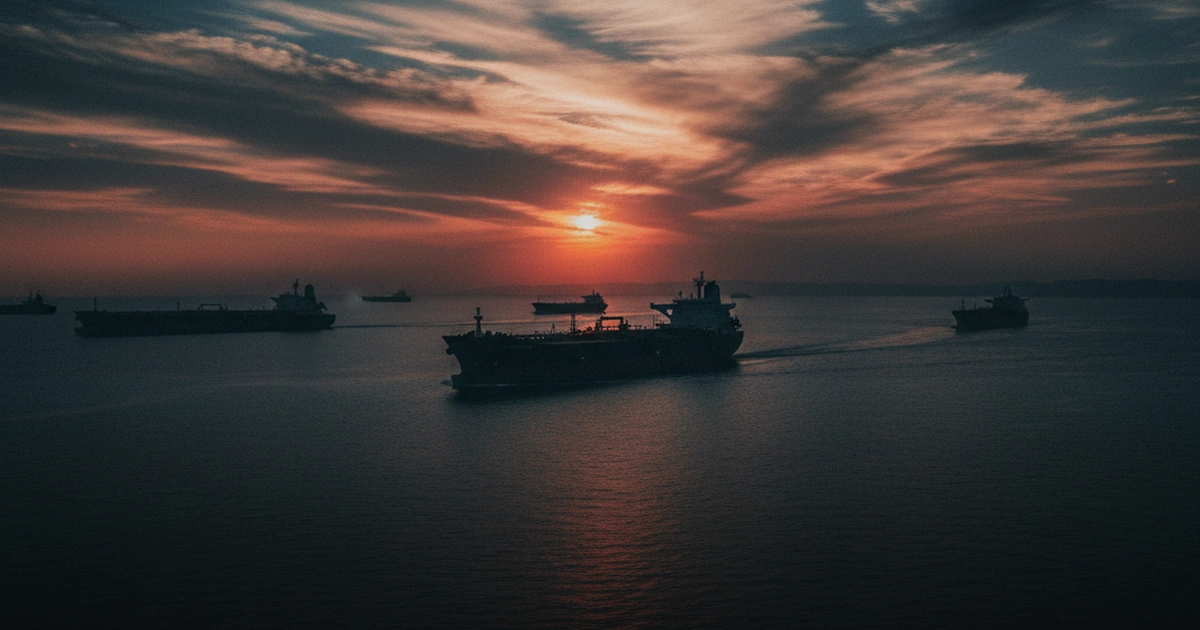
The strait carries roughly 20% of global oil shipments. Iran’s on-off blockade has disrupted energy markets and forced shipping companies to reroute around Africa, adding weeks to delivery times and millions in costs.
The Reversal
Iran had declared the Strait of Hormuz “completely open” earlier Friday morning, suggesting progress in US-Iran talks. That lasted less than six hours.
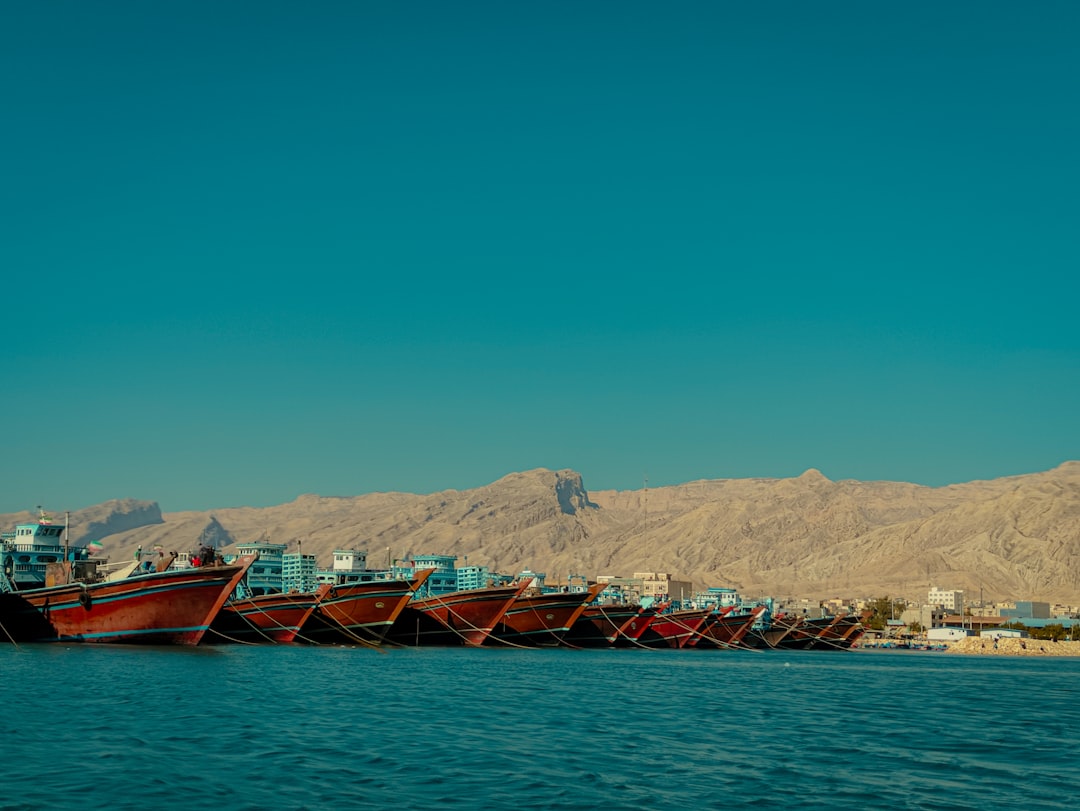
By afternoon, Iranian naval forces were firing on ships attempting to transit the waterway. CBS News took a rare look inside the strait, documenting the Iranian patrol operations.
Iran’s parliament speaker said Tehran had made “good progress” in talks with Washington but that no final deal was in place. Iran doubled down on closing the strait until the US lifts its blockade of Iranian ports.
Iranian officials defended the closure by arguing that the US naval blockade violated international law first. According to sources cited by France24, Iranian negotiators claimed the right to reciprocal action under maritime law. The US Navy maintains a blockade preventing Iranian oil exports and arms shipments. Trump has said the blockade will remain in force until a comprehensive peace deal is reached.
The Escalation Pattern
This marks the third time in two weeks Iran has opened and closed the strait. The pattern reveals specific calculations by both sides about economic vulnerability thresholds and signaling costs.
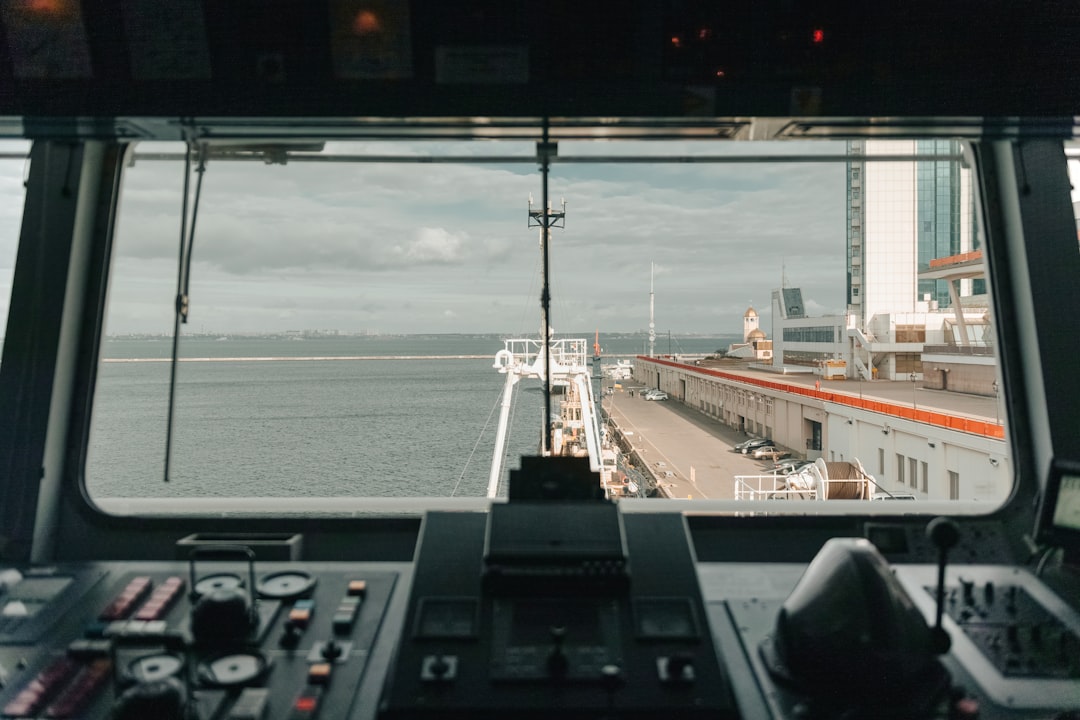
When Iran first closed the strait on March 28, oil prices spiked from $82 to $127 per barrel within 48 hours. Global shipping insurance rates tripled overnight. Major energy traders shifted 40% of their crude purchases to West African markets.
The US calculated that each day of strait closure costs global markets approximately $1.2 billion in rerouting costs alone. This drove Washington’s decision to deploy additional naval assets while simultaneously engaging in backdoor diplomacy. The pattern suggests Iran targets 5-7 day closure windows to maximize pressure without triggering military escalation.
Iranian officials say 3,468 people have been killed in the seven-week conflict with the US and Israel. The strait closures correlate with periods when diplomatic progress stalls. Each reopening coincides with renewed negotiating sessions.
Trump said Iran “got a little cute” by blocking the strait again but insisted talks were going “really well.” US officials counter Iranian claims by arguing that Iran initiated hostilities by attacking Israeli targets in October 2025, justifying the current blockade as defensive action. His administration faces pressure from European allies whose energy costs have risen 23% since the conflict began.
The strait’s closure forces oil tankers to reroute around Africa’s Cape of Good Hope, adding 14-21 days to journey times. Flight costs have risen as airlines avoid the region and fuel prices climb.
Iran’s negotiator warned the war could resume “at any moment” if talks collapse. Both sides now operate under a clear cost-benefit matrix: Iran maximizes economic disruption while staying below the threshold for direct military retaliation, while the US calibrates its blockade intensity to maintain negotiating leverage without forcing Iran into permanent strait closure.
The strait remains closed. The talks continue.