- Iranian delegates have arrived in Islamabad for peace talks with the U.S. while ceasefire terms remain sharply disputed.
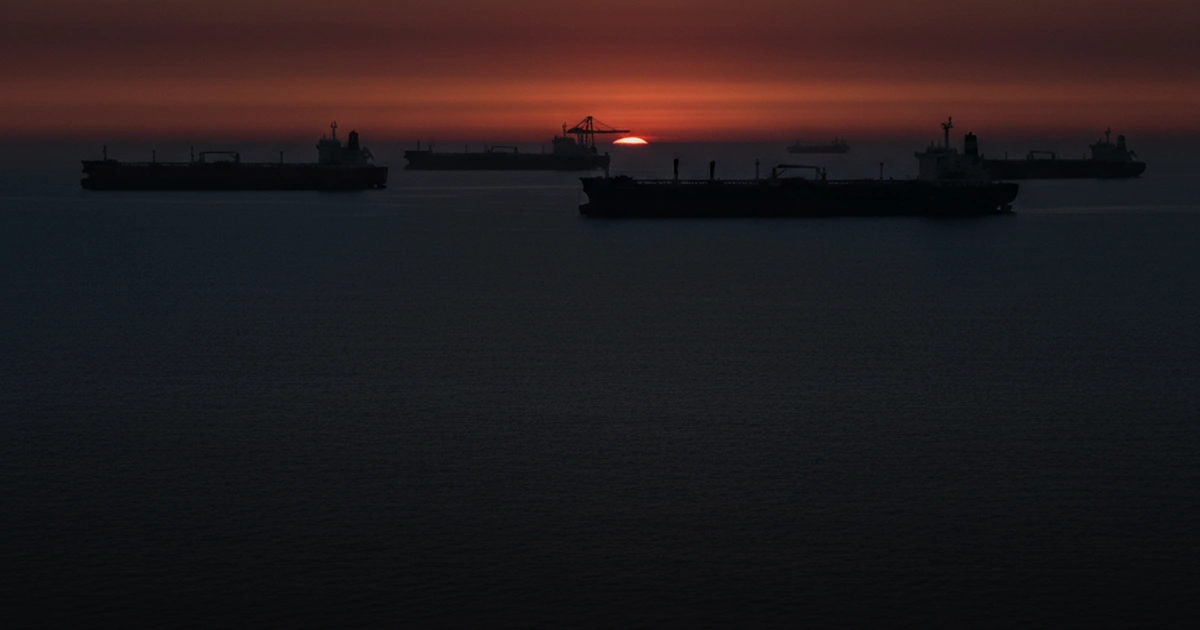
- Shipping traffic through the Strait of Hormuz is at a near-total standstill as Iran demands concessions.
- U.S. Vice President JD Vance is leading the American delegation, warning Tehran against further delays.
The Diplomatic Impasse
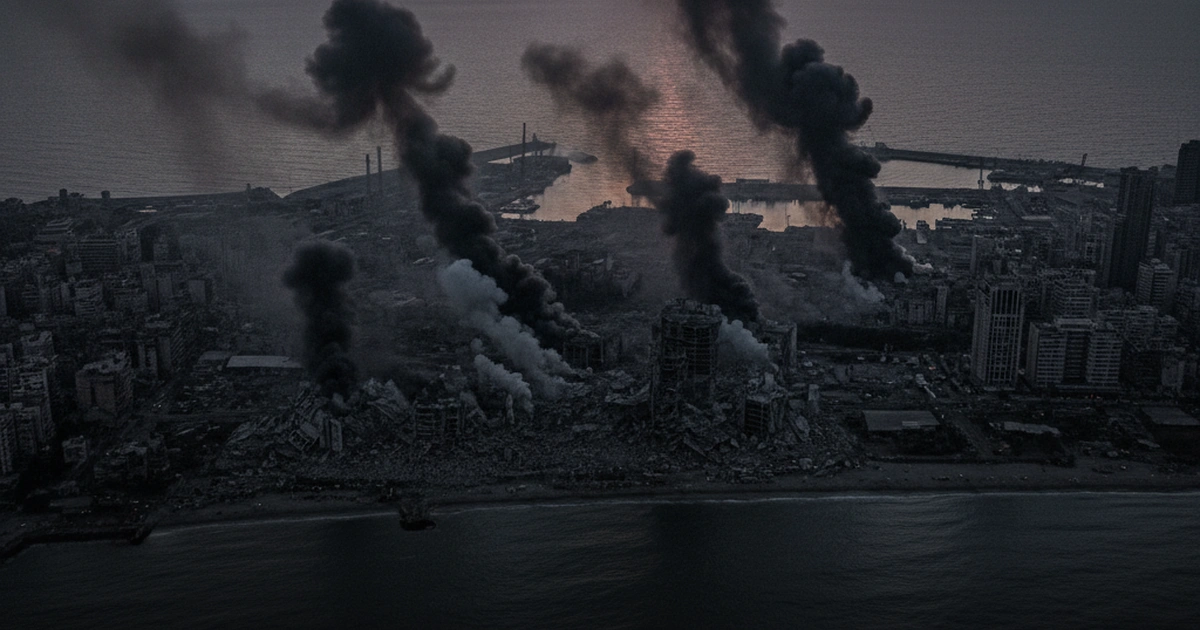
Iranian officials arrived in Islamabad on April 10, 2026, to engage in negotiations aimed at ending the war between Iran, the United States, and Israel. The arrival follows weeks of intense military engagement, yet the baseline for a permanent peace remains elusive. Iran has conditioned its cooperation on specific ceasefire terms and the release of frozen assets.

Vice President JD Vance, leading the U.S. team, maintains a hardline stance. He publicly warned Iran against attempting to “play” the U.S. during the proceedings. The atmosphere is tense. Observers note that while the talks are officially intended to secure a long-term peace, deep distrust remains the primary obstacle to any meaningful breakthrough.
The structural tension in these talks centers on a zero-sum calculation. Iran views the Strait of Hormuz as its only viable leverage to force the release of assets. The U.S. views the reopening of the Strait as a prerequisite for any discussion on economic relief. This creates a paradox where the primary bargaining chip is also the primary source of the conflict. Neither side can concede the Strait without losing the domestic political capital required to sustain a long-term peace agreement. This deadlock suggests that the Islamabad talks function more as a management mechanism for the current crisis rather than a genuine path toward regional stability.
The Hormuz Economic Toll
The Strait of Hormuz, a critical artery for global energy, remains effectively at a standstill. Iran continues to exert control over the waterway, forcing a sharp contraction in commercial transit. For a standard supertanker, the cost of disruption is quantifiable. Before the conflict, transit insurance was negligible; now, some carriers face exponentially higher operational costs that ripple through the global economy.
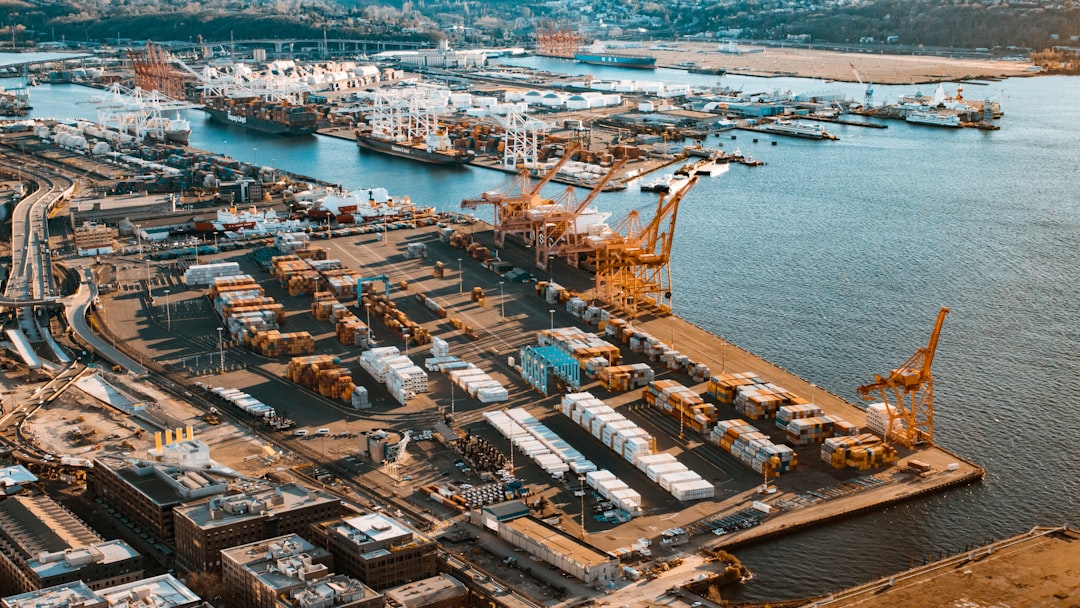
The economic fallout is no longer theoretical. Consumer prices in the U.S. surged 0.9% in March primarily due to rising energy costs directly linked to the conflict. The scarcity of fuel has prompted warnings from the Airports Council International regarding potential fuel shortages if the strait is not reopened. Iran’s attempt to use the waterway as a bargaining chip has created a high-stakes standoff that threatens to outlast the Islamabad negotiations.
The economic impact reveals a shift in global supply chain vulnerability. By targeting the Strait, Iran has moved the conflict from a regional military theater to a global logistical bottleneck. This strategy forces the U.S. to choose between an expensive, long-term naval escort mission or a diplomatic concession that risks emboldening Iranian regional proxies. The current stagnation in shipping volumes indicates that the market has priced in a prolonged disruption, suggesting that even a sudden diplomatic breakthrough may not immediately restore pre-conflict transit efficiency.
The Path Forward
The coming 24 hours in Islamabad will determine whether the current temporary ceasefire can evolve into a sustainable agreement. Iran’s military capacity remains a factor, as intelligence reports indicate the regime retains thousands of missiles and launchers in hardened, underground sites despite weeks of U.S. strikes.
Washington must decide if the price of reopening the strait involves validating Iran’s demands or escalating the military campaign. None of those options are popular. All of them are on the table. The outcome depends on whether the negotiators prioritize immediate energy security or long-term containment of Iranian military capabilities.