
- UAE air defenses engaged 12 ballistic missiles, 3 cruise missiles, and 4 drones during an Iranian attack on Monday.
- Officials confirmed that loud blasts reported by residents across the country were the result of interception activity.
- A separate drone attack in the Fujairah oil zone caused injuries to three people.
UAE authorities confirmed that the country’s air defense systems were actively intercepting a coordinated barrage of Iranian missile and drone threats on Monday.
The Interception Barrage
The UAE Ministry of Defence reported that its air defense systems successfully engaged 19 separate incoming threats The National.
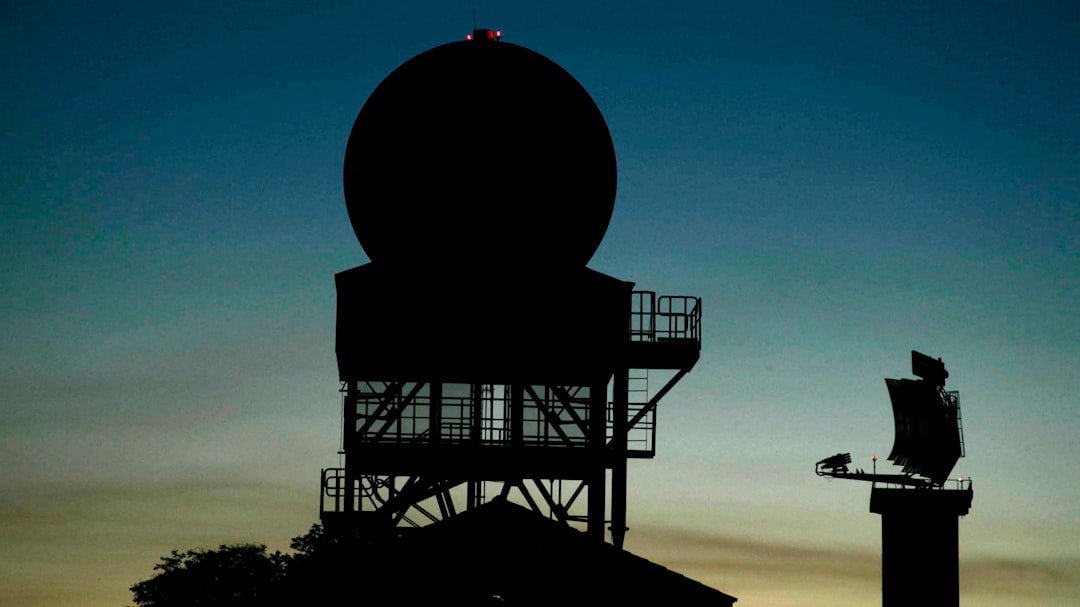
The total inventory of intercepted munitions included 12 ballistic missiles, 3 cruise missiles, and 4 drones The National.
Loud sounds heard by residents across the country were the direct result of these interception operations, according to the ministry CNBC.
The UAE also reported a separate drone attack targeting the Fujairah oil zone, which left three people injured The National.
The sources reviewed for this piece do not include a direct Iranian rebuttal or official statement regarding the specific claims of the interception. This absence of Iranian commentary limits the ability to verify the origin or intent of the munitions from the perspective of the launching state.
The Escalation Timeline
The scale of the reported threat evolved rapidly throughout the incident The National.
Early reports indicated that the UAE defense ministry intercepted three missiles over territorial waters, with a fourth missile crashing into the sea Reuters.
The final count of 19 total threats (12 ballistic, 3 cruise, and 4 drones) emerged in later updates from the Ministry of Defence The National.
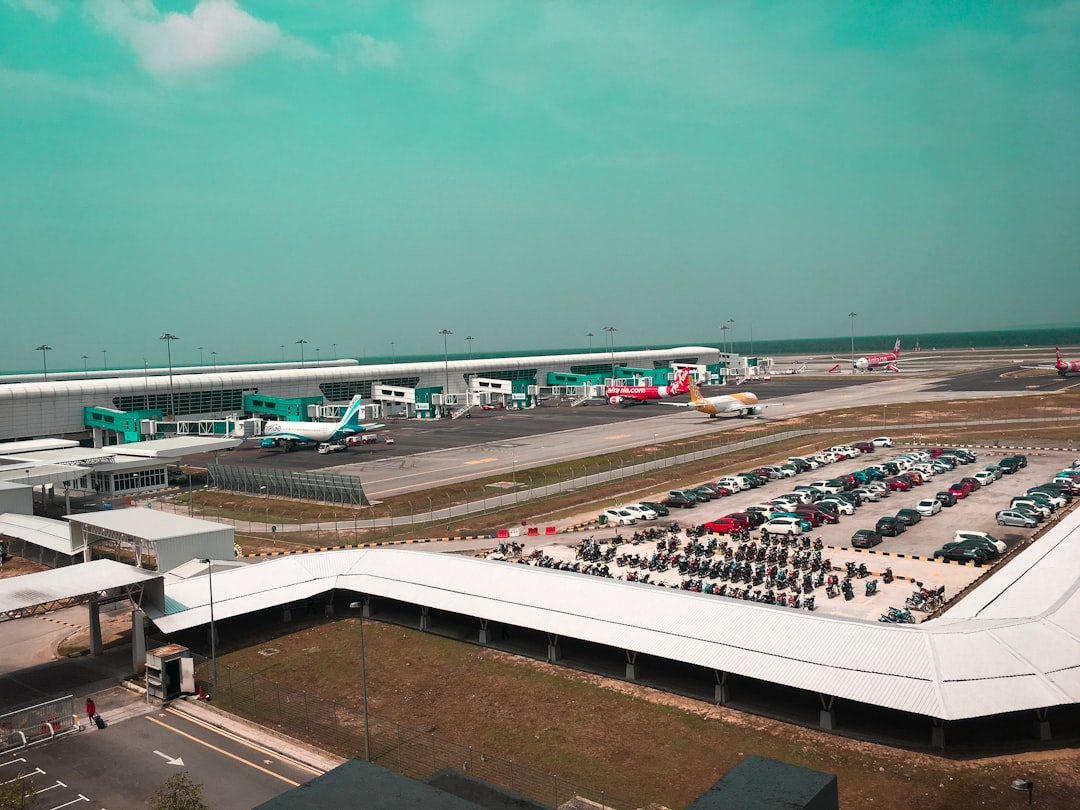
The intensity of the barrage forced immediate diversions of commercial flights operating within UAE airspace Reuters.
What Comes Next
The UAE has officially condemned the incident as treacherous Iranian aggression The National.
Regional analysts suggest this event marks a significant shift in the operational tempo of the ongoing conflict. The reliance on high-volume saturation attacks indicates a change in tactical doctrine compared to previous, more isolated strikes. If these patterns persist, regional air defense networks will likely require increased integration and faster response cycles to maintain protective coverage. The sustainability of such large-scale barrages remains a critical variable for future stability.
Strategic planners now face a binary choice: either accelerate the deployment of directed-energy weapons to lower the cost-per-intercept, or accept the fiscal and logistical strain of depleting expensive kinetic interceptor stockpiles. This choice will define the next phase of regional security architecture.
Operational status for air defense batteries remains at an elevated alert level as the regional conflict continues to expand CNBC.