- A U.S. Air Force KC-135 Stratotanker disappeared from radar over the Strait of Hormuz on May 5, 2026.
- The aircraft broadcast a 7700 general emergency code prior to the loss of contact.
- Search-and-rescue teams deployed from Al Udeid Air Base in Qatar.
The Disappearance
A U.S. Air Force KC-135 Stratotanker vanished from radar over the Strait of Hormuz on May 5, 2026, after broadcasting a 7700 general emergency code.

The incident occurred on the second day of Operation Project Freedom.
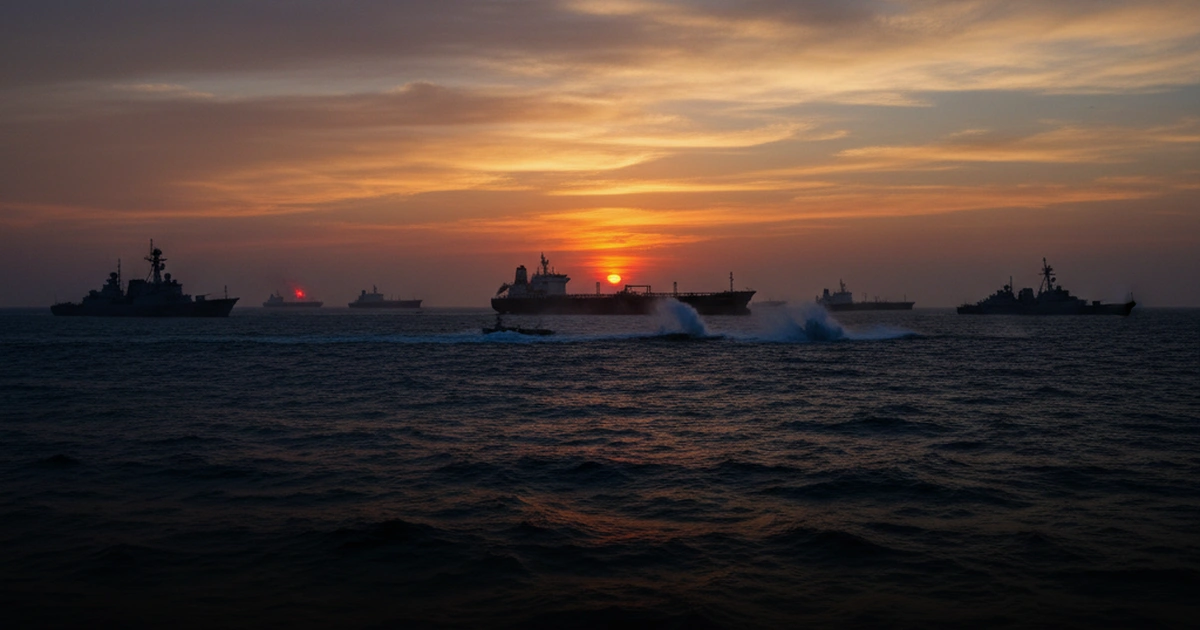
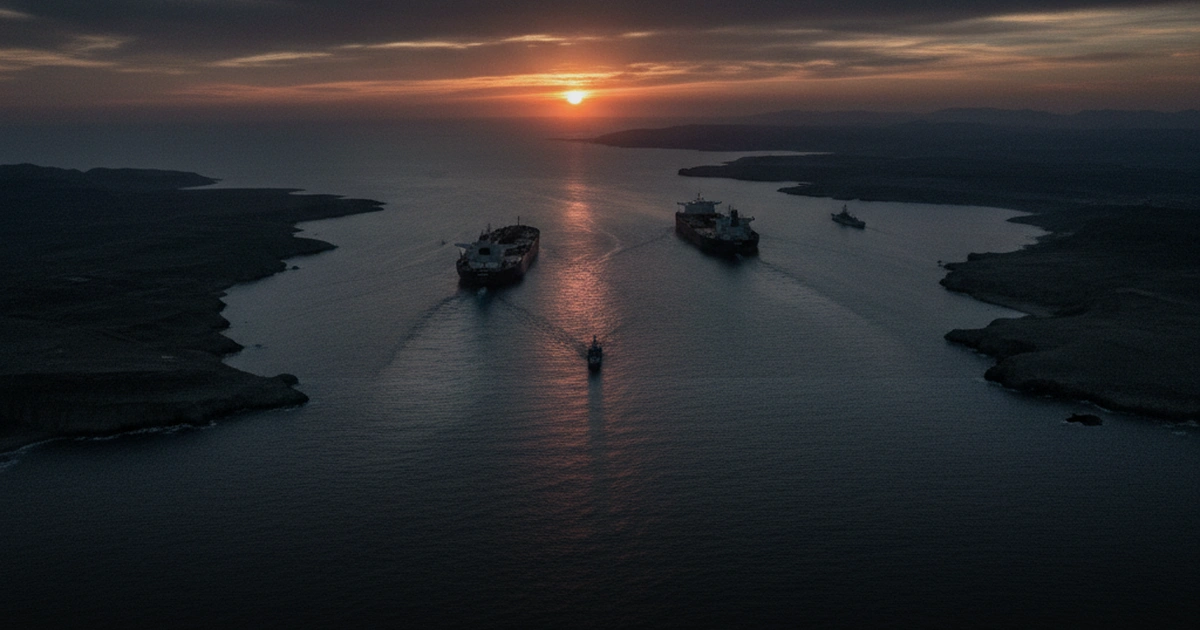
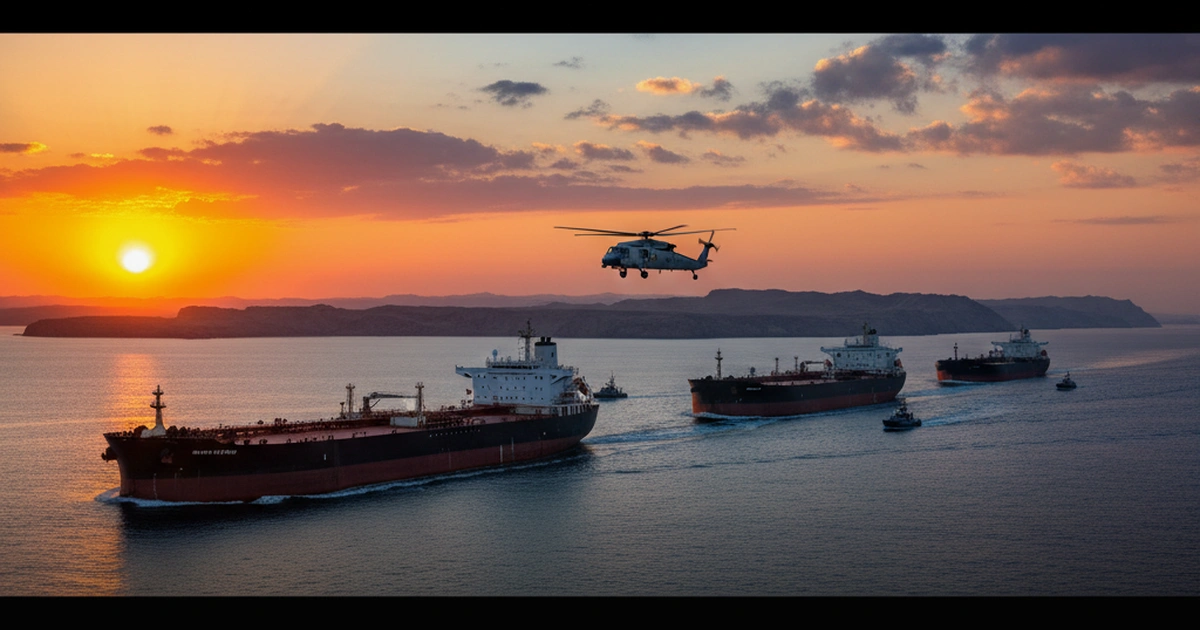
The mission aims to secure commercial shipping through the strait, which has been under Iranian control since February 2026.
Analysts must weigh the probability of mechanical failure against the risk of regional escalation.
If the aircraft suffered a catastrophic system failure, the 7700 code suggests a sudden event. If it faced external interference, the lack of communication suggests a rapid loss of control.
The sources reviewed for this piece do not include a direct Iranian rebuttal or official statement regarding the incident. U.S. Central Command has not confirmed the status of the crew or the cause of the disappearance.
Reports of a separate KC-46A Pegasus squawking 7700 east of Riyadh remain unverified and lack corroborating evidence.
Operational Risks
This disappearance follows a fatal incident involving the same aircraft type on March 12, 2026.
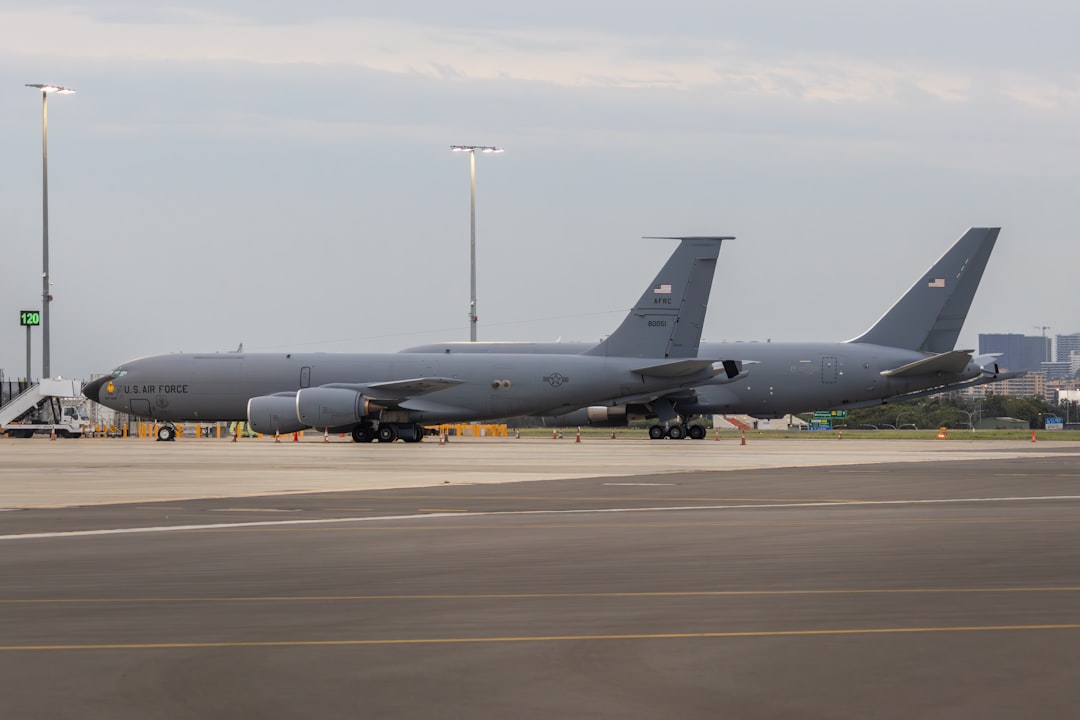
A KC-135 crashed in western Iraq, resulting in four confirmed deaths among the six crew members on board.
Initial investigations into that crash ruled out hostile or friendly fire, attributing the loss to other factors.
The repeat loss of a Stratotanker in less than two months highlights the vulnerability of the aging fleet.
The KC-135 platform remains central to regional operations despite these recurring incidents. CENTCOM has provided no specific telemetry or flight path data for the May 5 event.
Military planners face a forced choice. Continue high-risk aerial refueling missions with aging airframes, or ground the fleet to conduct comprehensive safety inspections.
The current operational tempo favors mission continuity. The human and material cost continues to rise.
The Search Effort
The search-and-rescue mission at Al Udeid is currently the primary response.
The high-tension environment of the Strait of Hormuz complicates recovery efforts.
Officials have not addressed whether hostile interference contributed to the loss.
The investigation into the cause rests on recovering flight data from the crash site. Recovery teams must navigate complex geopolitical waters to reach the suspected impact zone.