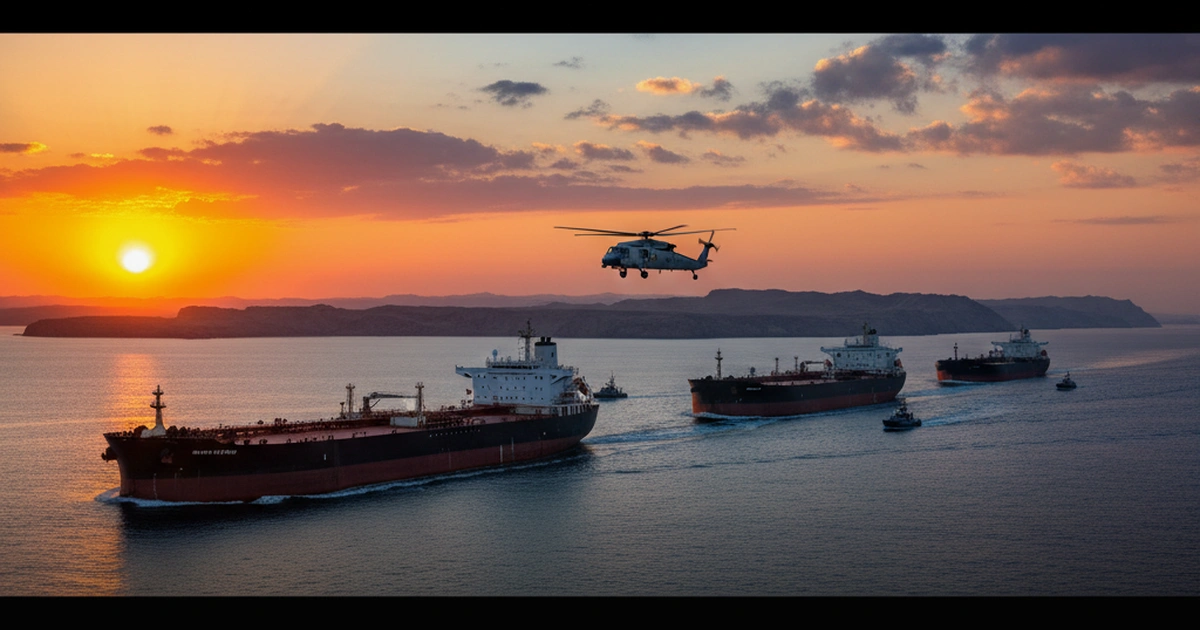
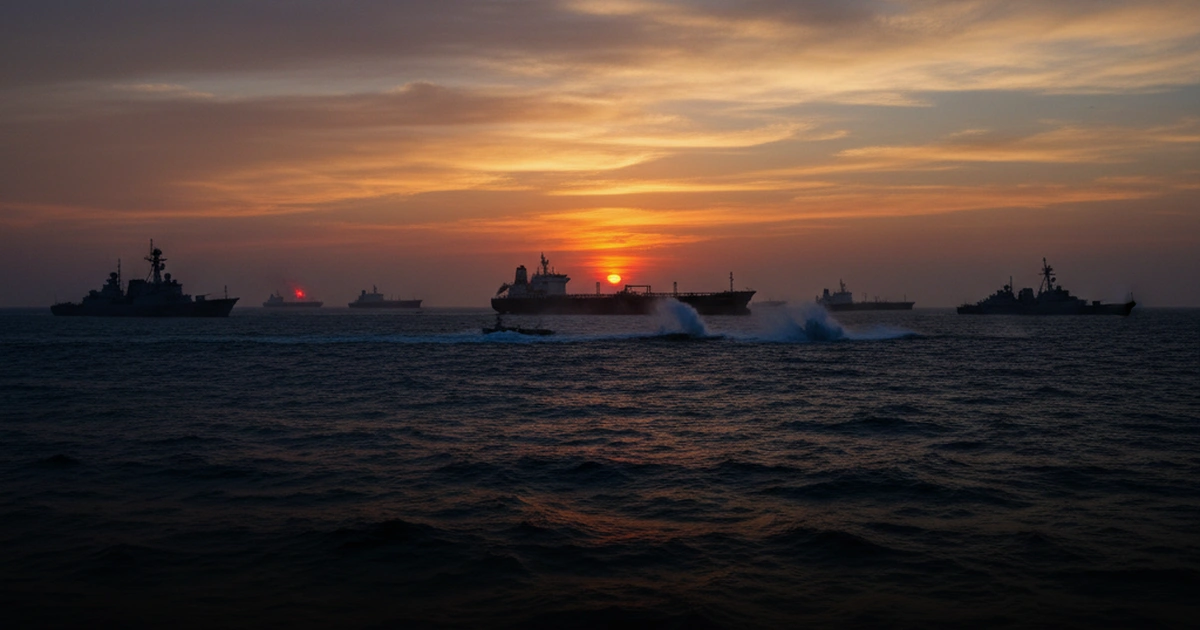
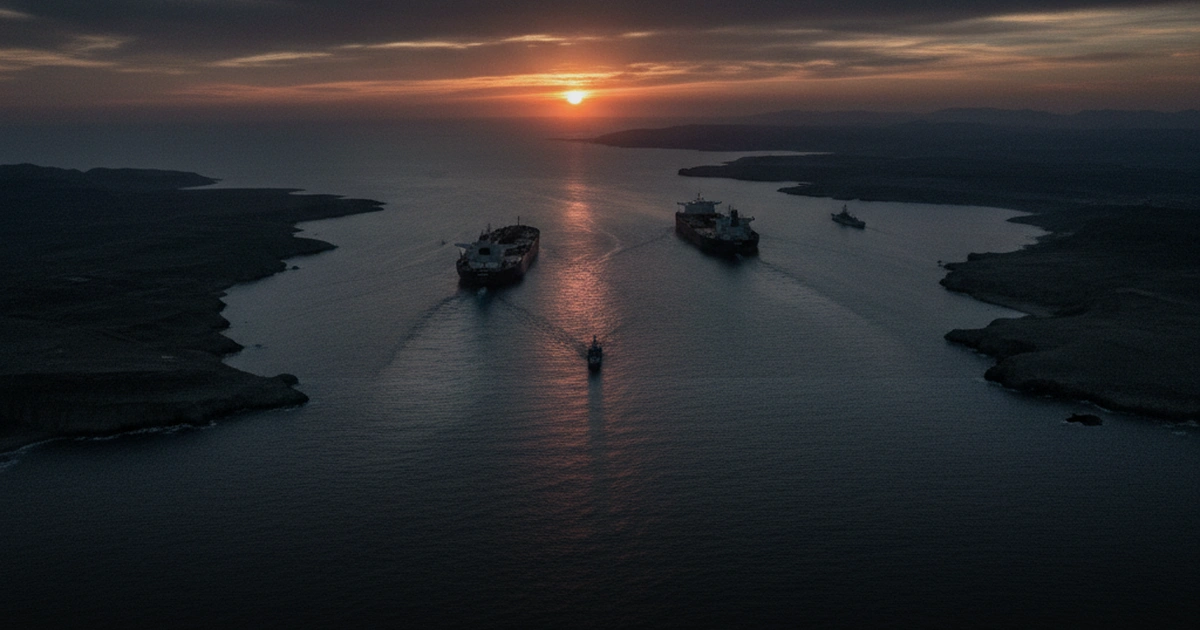
- The U.S. launched “Project Freedom” to escort commercial vessels through the Strait of Hormuz.
- Iran responded by launching missiles and drones at UAE energy infrastructure and U.S. naval assets.
- Oil prices surged globally as the four-week-old U.S.-Iran ceasefire teeters on collapse.
The Escalation
The United States initiated Project Freedom on May 4, 2026, deploying naval assets to escort merchant ships through the Strait of Hormuz. The maneuver aimed to restore shipping traffic stalled by weeks of regional hostility. Iran immediately countered the move with kinetic force. Iranian missiles and drones struck the Fujairah oil zone in the UAE. U.S. naval vessels also exchanged fire with Iranian fast boats during the operation.
The clash shattered the relative calm of a four-week-old U.S.-Iran ceasefire. While the U.S. successfully guided at least two merchant ships through the channel, the cost included direct military confrontation. Iran explicitly warned that its current actions represent only the beginning of a sustained campaign against U.S. activity in the region.
Why It Matters
The maritime standoff forces a new economic and military reality. Markets are pricing in the risk of sustained disruption to one of the world’s most critical energy chokepoints. For an oil market that relies on a daily transit of millions of barrels, the volatility is acute. While the U.S. military possesses superior force, the conflict highlights a persistent vulnerability in protecting slow-moving commercial fleets from asymmetric attacks.
The strategic math is clear. Before May 4, the ceasefire provided a period of low-intensity stability. The resumption of active combat shifts the regional calculus. If the U.S. continues to force transit, Iran must either allow the passage and accept a loss of leverage or continue the strikes and risk a wider conflict. Iran has chosen the latter, betting that the political cost of rising energy prices will eventually force the U.S. to retreat.
What Comes Next
Regional stability now rests on the U.S. ability to maintain shipping lanes without triggering a full-scale war. Saudi Arabia has already called for de-escalation as the risk of spillover grows. Diplomatic channels remain stalled, and the military posture suggests the next 48 hours will determine if this remains a shadow war or escalates further.