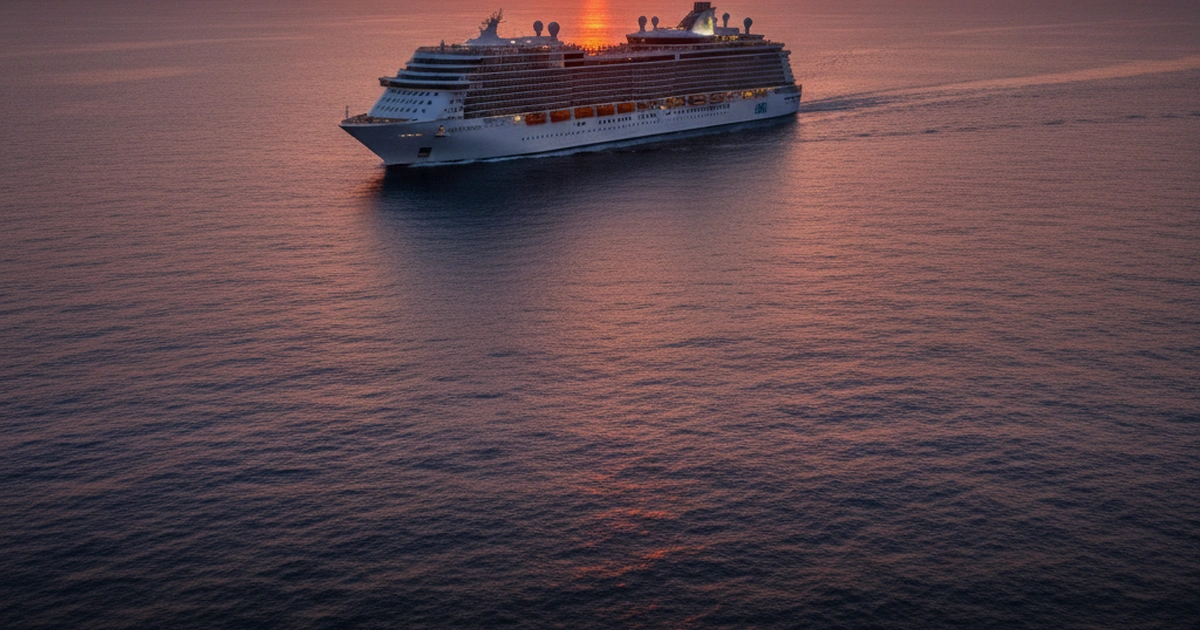
- Three passengers are dead and at least seven total cases of hantavirus have been confirmed on the Dutch-flagged MV Hondius.
- Cape Verde authorities have refused to allow the vessel to dock at Praia, citing public health concerns and the precautionary principle.
- The World Health Organization currently assesses the global risk to the public as low, though at least one patient remains in critical condition.
The MV Hondius remains moored off the coast of Praia, Cape Verde, after local officials denied the vessel entry on May 4, 2026.
This floating quarantine zone now holds approximately 147–150 people under strict isolation protocols.
The ship, operated by Oceanwide Expeditions, departed Ushuaia, Argentina, in late March for a South Atlantic expedition. It currently awaits an authorized port of entry while health authorities manage the containment of the pathogen.
The Outbreak on Board
The cluster of infections has resulted in three confirmed deaths, including a Dutch couple and a German national.
Clinical presentations among the sick began with fever and gastrointestinal distress, quickly advancing to acute respiratory distress syndrome.
The vessel’s itinerary included visits to remote islands in the South Atlantic, including South Georgia, Tristan da Cunha, and Saint Helena. Health authorities have identified these stops as potential exposure sites for rodent-borne transmission.
The World Health Organization assesses the global risk as low. But the medical situation for those on board is deteriorating.
One patient remains in critical condition.
The Diplomatic Standoff
The refusal by Cape Verde to allow the MV Hondius to dock highlights a significant friction point in international maritime health regulations.
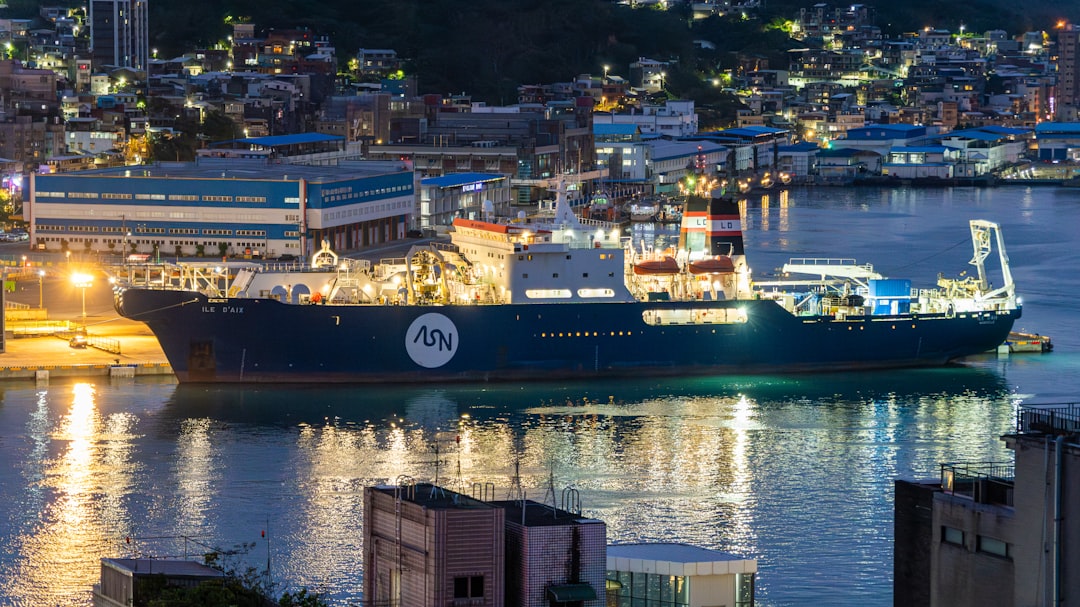
Cape Verdean authorities invoked the precautionary principle to keep the ship at sea.
This decision effectively traps a vessel carrying a mix of British, American, Spanish, Dutch, and German nationals in a jurisdictional limbo.
The standoff reveals a fundamental tradeoff in global health security.
Nations prioritize domestic containment over the humanitarian obligation to provide safe harbor to distressed vessels. Post-COVID maritime protocols were designed to streamline health emergencies, but they rely on host-nation cooperation.
The cost of a standard cruise ship port call is typically measured in thousands of dollars for docking fees and logistics.
The cost of accepting a vessel with a biohazard outbreak involves medical isolation facilities, specialized waste management, and potential public panic.
No country is currently volunteering to take on that liability.
Ships become isolated islands of disease because no state wants to bear the economic and political risk of hosting a potential outbreak.
The Path to Evacuation
Authorities are now negotiating a dual-track evacuation plan.
This would involve moving patients in severe respiratory distress to facilities in South Africa or the Spanish Canary Islands.
It is unclear if or when any nation will finalize an agreement to accept the ship for full disembarkation.
The MV Hondius remains at sea, its next destination undetermined.