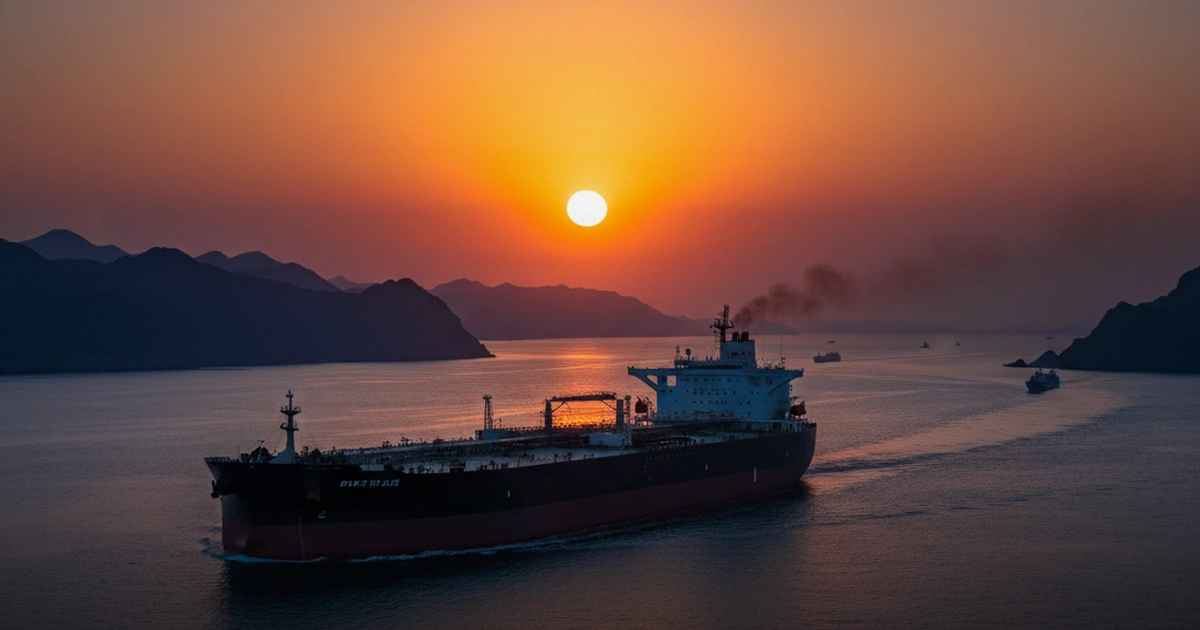
- A Chinese-owned tanker sustained damage from projectiles off the UAE’s Al Jeer port on May 4.
- This is the first reported attack on a Chinese-owned vessel since the current Iran-U.S. conflict began.
- The U.S. simultaneously paused its ship-protection program for Gulf transits, leaving commercial vessels vulnerable.
The first Chinese-owned tanker has been struck near the Strait of Hormuz, according to reports from Reuters and Caixin Global.
The Strike
A commercial vessel was hit by unknown projectiles 78 nautical miles north of Fujairah on May 4, per UKMTO.
Maritime security sources cited by Reuters identified the vessel as the Marshall Islands-flagged JV Innovation, which reported a fire on deck to nearby ships.
Per Caixin, the tanker carried markings to indicate Chinese ownership and crew — a common protective signal in high-risk waters.
The same day, the UAE reported an attack on an empty ADNOC oil tanker in the same area, according to Reuters. Two strikes in one day in the Hormuz approaches mean this is now an active maritime combat zone, not a regulated chokepoint.
The Backstop at Risk
China functions as the primary financial backstop for Iran’s wartime economy. It serves as the buyer of last resort for sanctioned crude.
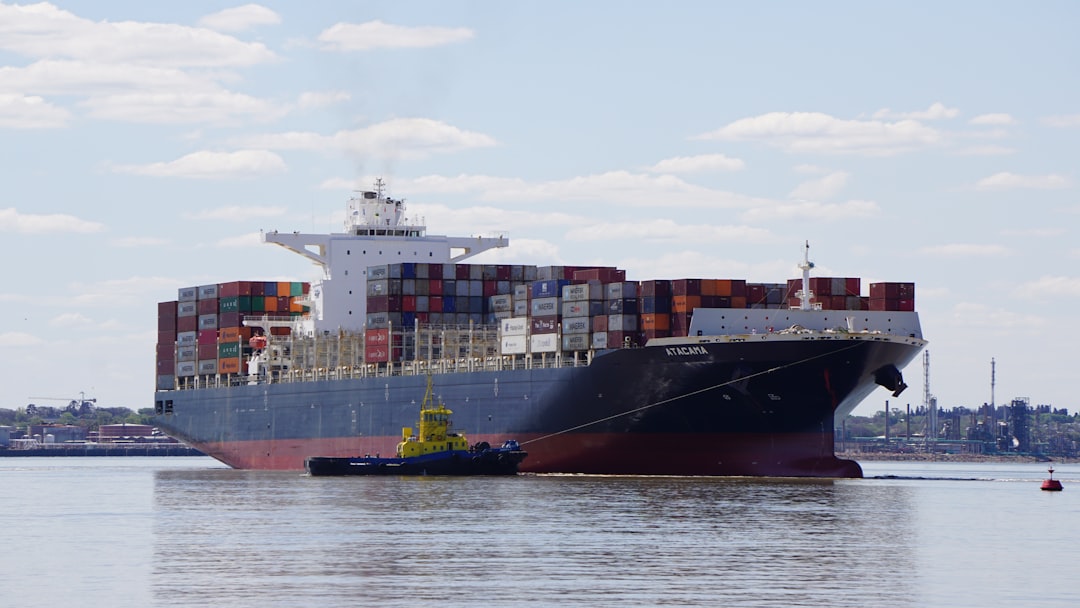
The arrangement relied on the assumption that China’s unaligned status would shield its hulls from regional fire. A strike on a clearly marked Chinese-owned vessel invalidates that.
If Tehran authorized the strike, it signals a willingness to jeopardize its relationship with its only major energy customer. If the strike was accidental, the IRGC’s targeting discipline has fractured. Both readings are bad for Iran.
The risk is compounded by a shift in U.S. naval posture. The United States has paused its ship-protection plan for Gulf transits. This decision effectively removes the security floor for commercial shipping.
The Security Vacuum
The window for safe transit through the Strait of Hormuz is closing.
For commercial operators, the combination of active strikes and the absence of U.S. escort creates a new economic reality. War-risk insurance premiums for Hormuz transits will move from elevated to prohibitive.
The Iranian targeting envelope now includes the one country Tehran cannot afford to alienate. No vessel in the Gulf is exempt — including the cargo that pays Tehran’s bills.