The UAE’s long-standing posture of neutrality has collapsed under two days of kinetic fire from Iran.
The Interceptions
Emirati air defenses spent 48 hours actively engaging incoming Iranian ballistic missiles, cruise missiles, and drones, according to the UAE Ministry of Foreign Affairs.
The BBC reported that these intercepts occurred for a second consecutive day on May 5. Flights were diverted from Emirati airspace as the defense systems engaged the threats. Reuters noted that Tehran officially denied responsibility for the attacks.
Viral social media claims suggest the UAE has launched retaliatory strikes into Iran. These claims remain unverified and are absent from reports by AP, Reuters, or the BBC.
The Fujairah Variable
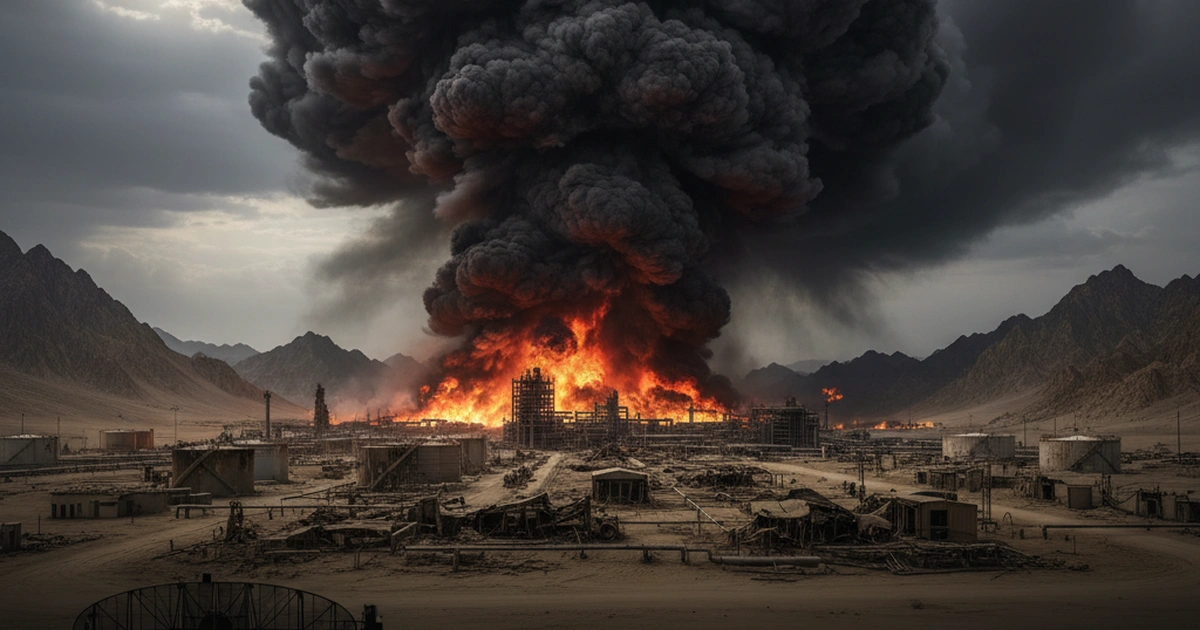
The Fujairah oil zone caught fire after a drone attack on May 4. Reuters confirms this site is the UAE’s primary east-coast oil terminal and one of the world’s largest bunkering hubs.
Fujairah handles roughly 9% of global bunker fuel volume. It serves as the critical bypass for Saudi and Emirati crude, allowing exports to avoid the Strait of Hormuz via the ADCOP pipeline.
Anwar Gargash warned on May 1 that Iran could not be trusted regarding Hormuz security. The Fujairah fire turns that warning into a logistics crisis for the global energy market.
Fujairah is the sole major outlet for Emirati oil outside the Persian Gulf. Striking the terminal forces a premium on shipping insurance and creates immediate bottlenecks for tankers waiting to refuel.
The shift from hitting tankers at sea to hitting fixed infrastructure on land suggests a strategy aimed at maximizing economic damage while avoiding direct naval engagement.
The Strategic Shift
The regional ceasefire has collapsed, and the UAE is now in the fight. AP reports this wave of attacks is a direct result of that escalation.
Tehran’s denial of the strikes leaves two potential realities for the regime. Either the IRGC has lost control of its own missile batteries, or the state is lying about its operational intent. Both scenarios indicate that the UAE’s status as a neutral hub has ended.
The fire is burning. The defensive posture is gone.
The UAE will now have to integrate its air defense more tightly with regional partners — a permanent departure from the policy of non-alignment.
— NBN Editorial Desk