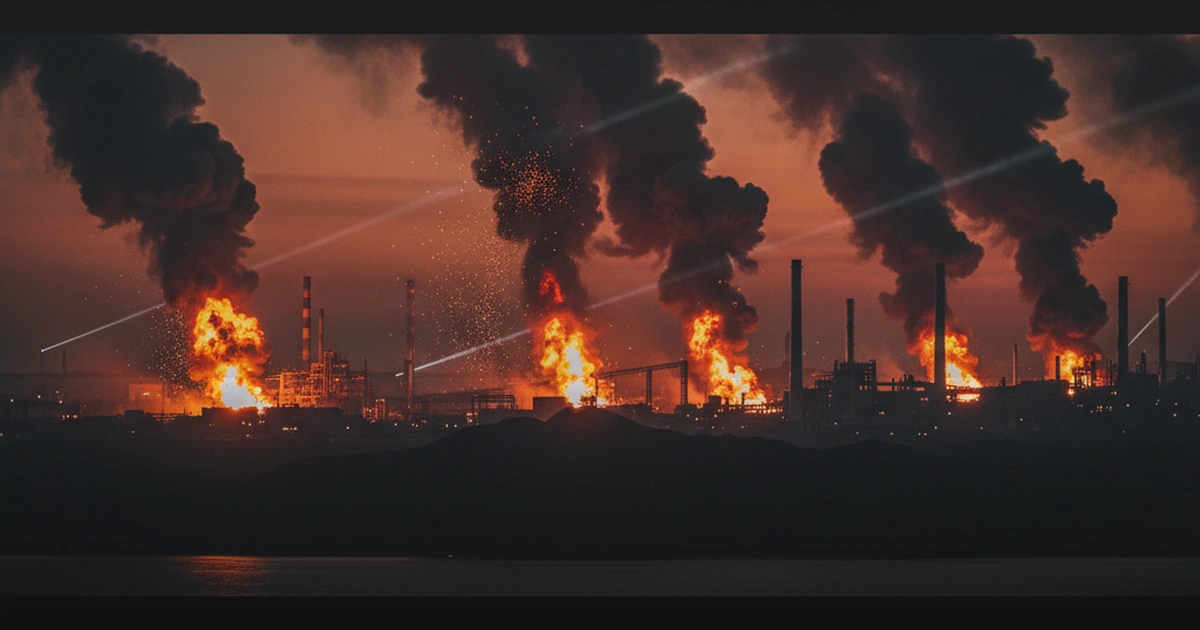
- U.S. forces fired on and disabled two Iranian-flagged oil tankers in the Strait of Hormuz.
- The strikes occurred after reports that three U.S. Navy destroyers were targeted in the same waterway.
- President Trump maintains that a ceasefire remains intact despite the ongoing maritime skirmishes.
The Strait Clashes
U.S. naval forces engaged Iranian assets in the Strait of Hormuz on May 8, disabling two tankers identified as Iranian-flagged vessels. These actions followed an earlier incident involving three U.S. Navy destroyers, which officials reported were targeted by Iranian forces. The U.S. military characterized the response as self-defense strikes.
The escalation represents a significant challenge to the stability of the vital maritime corridor. While the U.S. has intercepted attacks on three separate vessels, the frequency of these engagements has intensified. Oil markets reacted to the volatility, with prices swings reflecting concerns over the potential for a broader disruption in shipping lanes.
Analysts suggest this pattern of engagement indicates a shift in maritime doctrine. By targeting tankers rather than military assets, the U.S. appears to be utilizing economic denial as a primary tool of deterrence. This strategy forces Iran to choose between sustaining its export revenue and risking the total loss of its commercial fleet. The tactical shift suggests that the U.S. military is prioritizing the protection of global supply chains over traditional naval engagement rules.
The Ceasefire Calculus
President Trump continues to insist that a fragile ceasefire holds despite the recurring exchange of fire. The administration is currently awaiting a response from Tehran regarding a proposed peace deal designed to terminate the conflict. Observers note that the U.S. has pressured the regime to provide an answer as soon as tonight.
The economic pressure on Iran is mounting. Experts suggest the blockade is squeezing the regime to a point where they may be attempting to dump oil into the Gulf to bypass sanctions. Even so, Western officials indicate that Iran possesses the capacity to withstand the current blockade for several months. The diplomatic standoff remains tied to these shifting tactical realities.
The reliance on a ceasefire during active naval combat creates a paradox. If the U.S. continues to strike tankers, the political cost for Tehran to accept a deal increases. Conversely, if the U.S. halts strikes, it risks appearing weak in the face of persistent threats to its destroyers. This dilemma suggests that the ceasefire is no longer a static agreement but a fluid negotiation tool used by both sides to manage the pace of the conflict.
A Precarious Path Forward
Negotiations remain deadlocked as both sides weigh the costs of continued skirmishes against the potential for a negotiated end to hostilities. The U.S. strike on tankers serves as a kinetic signal of intent while the administration keeps the door open for a diplomatic breakthrough. Whether Tehran views these clashes as a reason to accelerate the ceasefire or a justification to abandon it remains the central unknown.
The current trajectory suggests a high risk of miscalculation. As the frequency of naval encounters rises, the window for diplomatic intervention narrows. Both nations must now reconcile their public commitments to peace with the reality of their ongoing maritime operations.