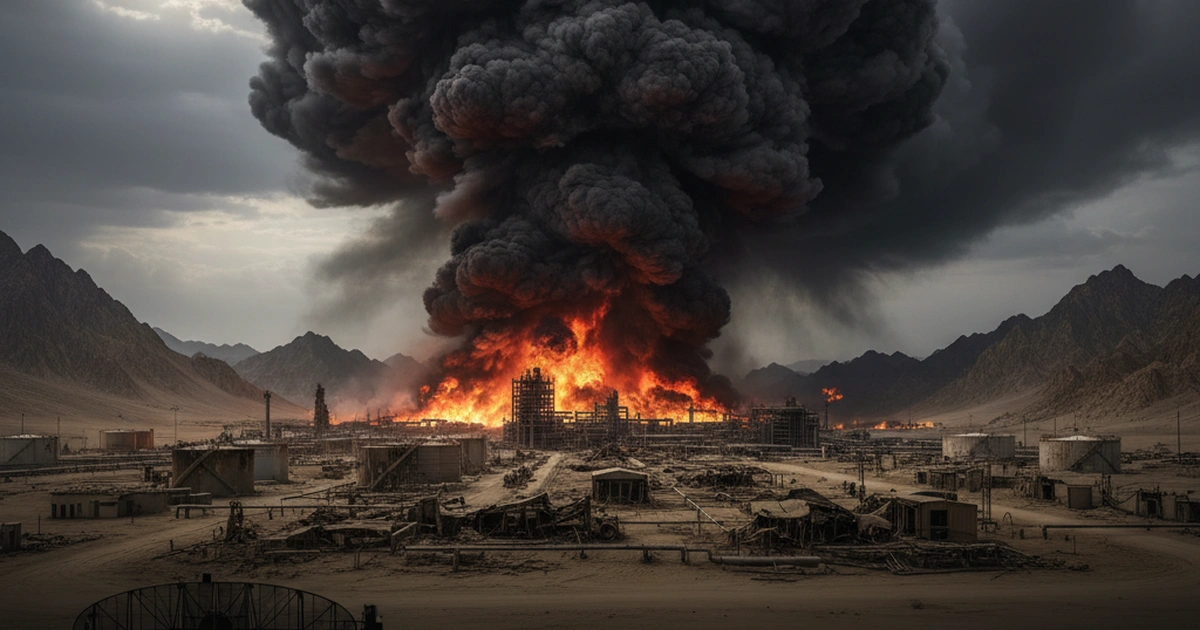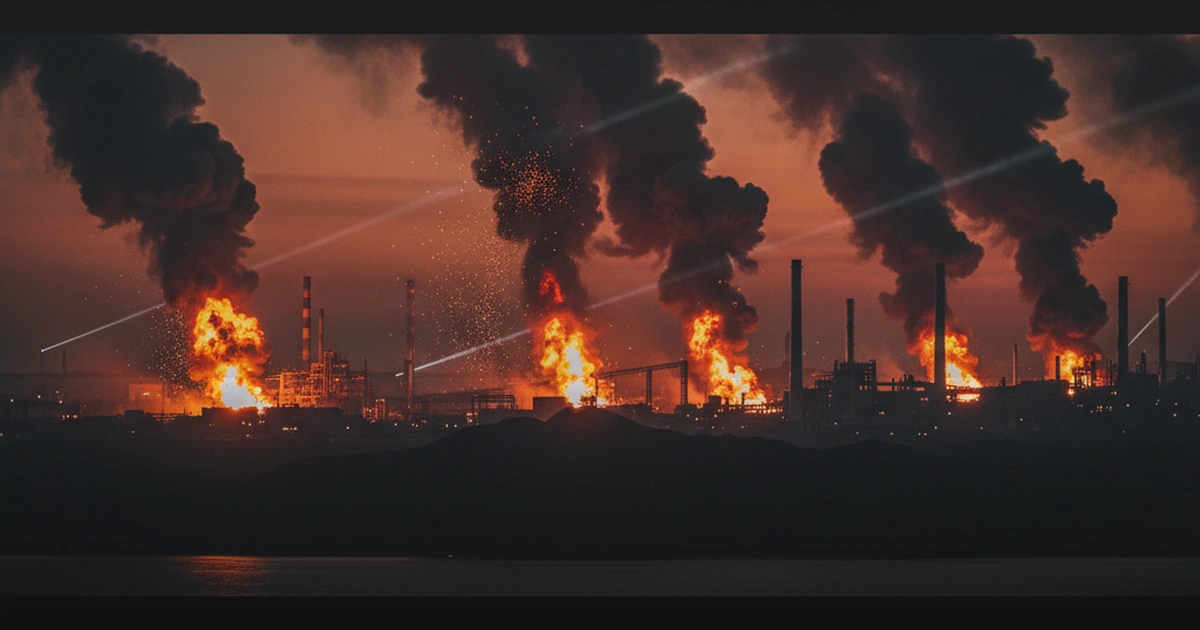
- US and Israeli forces conducted coordinated daytime strikes targeting Iranian leadership figures.
- The operation hit key components of Iran’s nuclear program infrastructure.
- Armed police occupied Iranian universities to suppress domestic protests following the attack.
The United States and Israel launched a series of surprise daytime strikes against high-level Iranian leadership and nuclear targets Washington Post.
The Coordinated Strike
Coordinated military action targeted the core of the Iranian security apparatus MPR News. The sources reviewed for this piece do not include a direct Iranian rebuttal or official government statement regarding the specific tactical outcomes of these strikes.

The campaign focused on disabling nuclear infrastructure and neutralizing key leadership within the Islamic Revolutionary Guard Corps ISW. Analysts indicate that these strikes were intended to raise the cost of nuclear proliferation while disrupting command-and-control capabilities RAND.
Assessments suggest significant damage to multiple facilities Bellingcat. The tactical execution relied on surprise to bypass regional air defenses ISW. Beyond the immediate kinetic impact, the strikes signal a shift in doctrine. Military planners now prioritize preemptive disruption over containment. This approach forces Iran to choose between total asset loss and a high-risk escalation that could trigger further international sanctions.
Regional Consequences
Regional stability deteriorated immediately as Tehran signaled a likely retaliation ACLED.

The conflict threatens to disrupt global supply chains, specifically regarding the flow of high-end compute hardware that relies on stable Gulf transit CSIS. If a standard tanker takes 20 days to transit the region, the current military posture forces a rerouting that adds 14 days and requires military escort CSIS.
This logistical bottleneck creates a compounding economic effect. Increased transit times inflate insurance premiums for maritime carriers. These costs inevitably pass to the end consumer of technology hardware. The reliance on the Strait of Hormuz for global compute components makes this specific corridor a primary theater for economic warfare. Any prolonged closure or restricted access forces a permanent shift in how global firms manage their inventory buffers.
Domestic unrest mirrored the external military pressure ISW. Armed police flooded universities to prevent student-led opposition from organizing against the government The Guardian.
The Escalation Path
The strikes represent a shift from proxy warfare to direct confrontation between Iran and its primary regional adversaries CSIS.

Observers expect further military mobilization across the border states as regional powers recalibrate their defense treaties Wikipedia. Military planners maintain that multiple strategic options remain under consideration as the situation develops. The long-term trajectory depends on whether Tehran views these strikes as a contained operation or a precursor to a broader regime-change campaign.