- Israel has eliminated senior leadership across Hamas and Hezbollah in a sustained campaign of targeted strikes.
- Key figures killed include Hassan Nasrallah, Yahya Sinwar, Ismail Haniyeh, and Ibrahim Akil.
- The campaign involved coordinated operations across Lebanon, Gaza, and Iran.
Israel has dismantled the command structure of the Axis of Resistance through a campaign of targeted kinetic operations.
The Decapitation Campaign
The operation targeted senior commanders across four countries.

Hamas political leader Ismail Haniyeh was killed in Tehran on July 31, 2024, an event confirmed by Hamas officials. While Hamas and its regional allies characterize these actions as illegal assassinations and violations of sovereignty, the Israeli government maintains that these individuals directed active combat operations against its citizens. The sources reviewed for this piece do not include a direct Iranian rebuttal to the specific tactical claims made by Israeli intelligence.
Earlier that month, Israel conducted a strike against Mohammed Deif in Gaza.
Hezbollah suffered cascading leadership losses throughout the second half of 2024. Fouad Shukr was killed on July 30, followed by the pager explosions on September 17 and 18.
Ibrahim Akil, a target with a $7 million FBI bounty for the 1983 Beirut barracks bombing, was eliminated on September 20.
The campaign culminated in the strike on Hassan Nasrallah on September 27.
Yahya Sinwar was killed in Gaza on October 16.
Operational Impact
The loss of these commanders represents a fundamental shift in the regional security architecture.

IDF statements emphasize that these strikes were not isolated incidents but part of a cohesive strategy to degrade the enemy’s ability to coordinate large-scale attacks. Satellite imagery corroborates the precision and scale of the infrastructure targeted during these months.
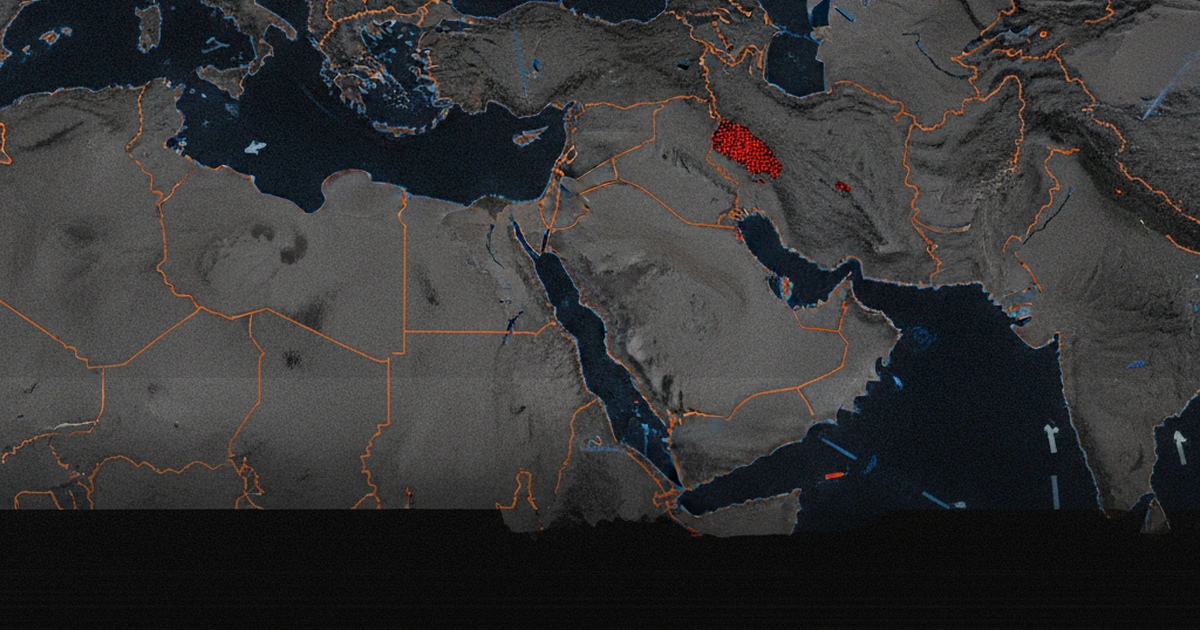
The ISW Iran file tracks how the death of these leaders forced the remaining proxy network to move into defensive postures.
The math of the command transition reveals a structural collapse. In the 100 days between July and October 2024, the primary decision-makers for both northern and southern fronts were removed. This turnover rate exceeds the organizations’ ability to train replacements. Institutional memory requires years of shared operational experience. By removing the top tier of command, Israel forced these groups to rely on lower-level tactical leaders who lack the strategic authority to coordinate multi-front campaigns. This creates a vacuum where the “Axis” functions as a collection of isolated cells rather than a unified military force. The loss of centralized command effectively breaks the chain of communication required for synchronized missile salvos or coordinated ground incursions.
The Future of the Conflict
The conflict has expanded into direct state-level confrontation.
Operation Roaring Lion signals a new phase where the proxies are no longer the sole focus of Israeli military action. The distinction between the proxies and their state sponsor has effectively vanished.
None of those commanders are returning. All of them are off the board.