- President Trump rejected Iran’s latest ceasefire proposal, calling the terms “totally unacceptable” and refusing to negotiate on nuclear limits.
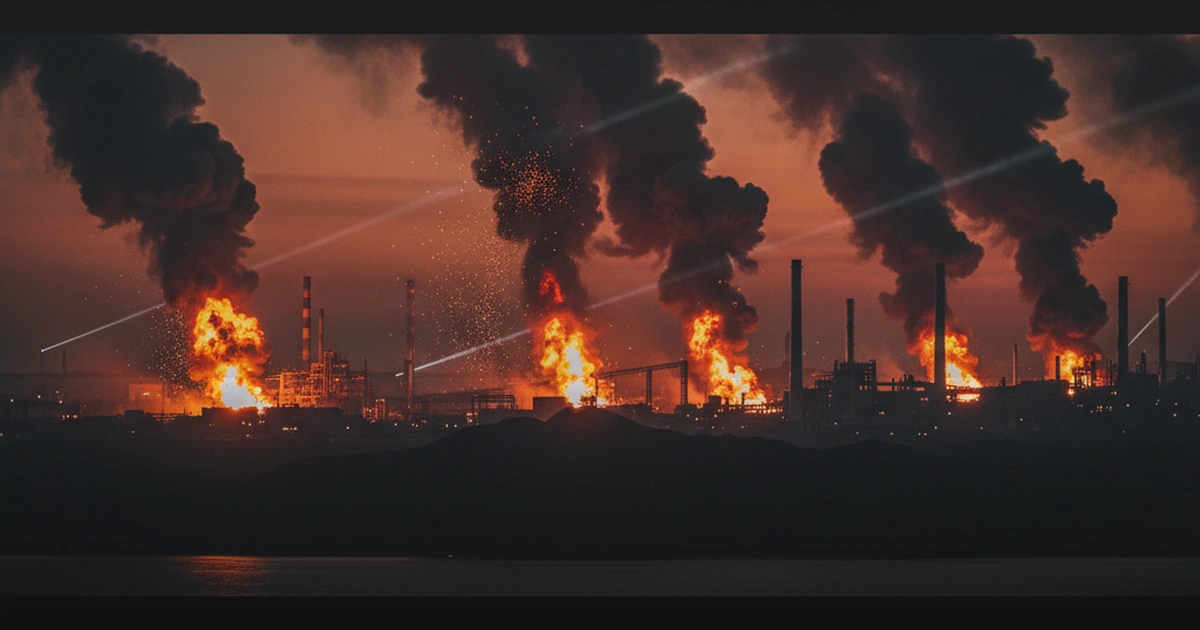
- Violence persists in Lebanon with reports of fresh Israeli strikes, while a cargo ship caught fire after being hit near the coast of Qatar.
- Iran is demanding war damages and formal control over vessel transit in the Strait of Hormuz as part of its negotiation terms.
The Breakdown of Talks
President Trump dismissed Tehran’s latest peace proposal on May 10, labeling the offer totally unacceptable. The rejection followed Iran’s refusal to discuss its nuclear program during negotiations conducted via Pakistan. Tehran demanded an end to the conflict, the release of frozen assets, and formal authority to collect tolls in the Strait of Hormuz and collect tolls.
The negotiation structure reveals a fundamental trade-off. Iran seeks to institutionalize its maritime influence as a prerequisite for regional stability. The United States views this as a violation of international freedom of navigation. By linking humanitarian aid and asset release to maritime sovereignty, Iran forces the White House to choose between energy market stability and long-term containment of Iranian military reach. Markets reacted sharply to this impasse, triggering a sell-off as ceasefire plans stalled. The administration now weighs economic measures, such as the potential suspension of the federal gas tax, to mitigate domestic fallout.
Escalation in the Strait
The conflict is physically expanding beyond the diplomatic sphere. A cargo ship caught fire after being hit off the coast of Qatar on May 10, highlighting the vulnerability of the region’s shipping lanes. This incident follows reports of drone attacks against Kuwait and the UAE.
The math of the crisis is clear. The Strait of Hormuz accounts for approximately 20 percent of global oil consumption. Every day of closure increases the risk of a structural supply shock. Even Iraqi oil tankers must navigate heightened risks. The addition of a second suspected oil slick near Iranian waters creates a dual threat: active military engagement and long-term environmental catastrophe. Western powers are attempting to manage the fallout, with the UK and France preparing to host defense talks regarding a shipping mission to secure the corridor. This mission faces a difficult strategic calculation: escorting vessels requires a permanent naval presence that risks direct kinetic engagement with Iranian coastal batteries.
The Path Forward
Fighting in Lebanon continues unabated despite the ongoing ceasefire rhetoric. Israeli strikes reported on May 10 and 11 have resulted in multiple casualties, including a reservist killed by a drone blast. Prime Minister Benjamin Netanyahu signaled that the war is not over, indicating that fighting with Hezbollah may continue indefinitely.
The current trajectory suggests a prolonged stalemate. Diplomatic channels remain open but lack the necessary alignment on core security demands. Military options carry high costs, while inaction risks further economic volatility. All options remain on the table.
— NBN Editorial Desk