North Korea Built 13 New Nuclear Systems While Everyone Watched Ukraine
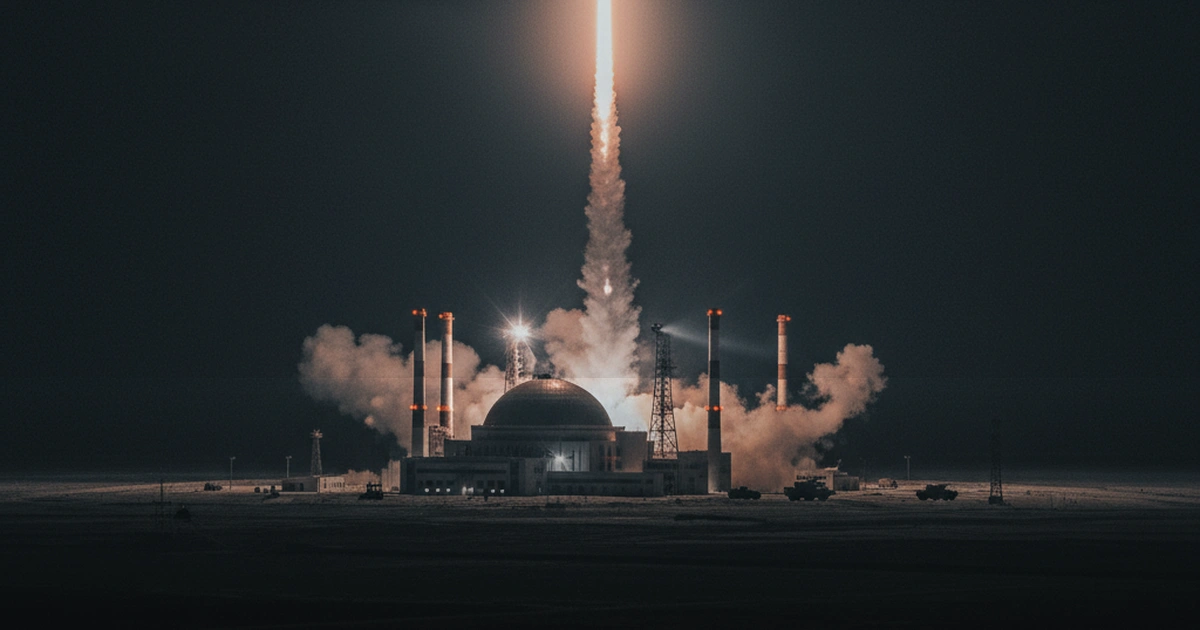
- North Korea completed a five-year program developing 13 new nuclear and missile systems, including the Hwasong-19 ICBM capable of reaching the US mainland.
- Satellite imagery shows major expansion at the Yongbyon nuclear facility throughout 2025, with a suspected new uranium enrichment plant under construction.
- North Korea deployed up to 30,000 troops to Ukraine and sent 8 million artillery shells to Russia, strengthening its strategic partnership with Moscow.
North Korea has an estimated 40-60 nuclear warheads and intercontinental ballistic missiles capable of reaching the United States mainland. That arsenal grew substantially while the world focused on Ukraine, Taiwan tensions, and Middle East conflicts.
38 North’s January 2026 assessment documents how North Korea completed development of 13 new nuclear and missile systems over five years. The Hwasong-19 ICBM test in November 2024 represents the culmination of this program.
The question is not whether North Korea poses a nuclear threat. The question is whether anyone is paying attention to what Kim Jong Un built while global attention was elsewhere.
The Expansion Everyone Missed
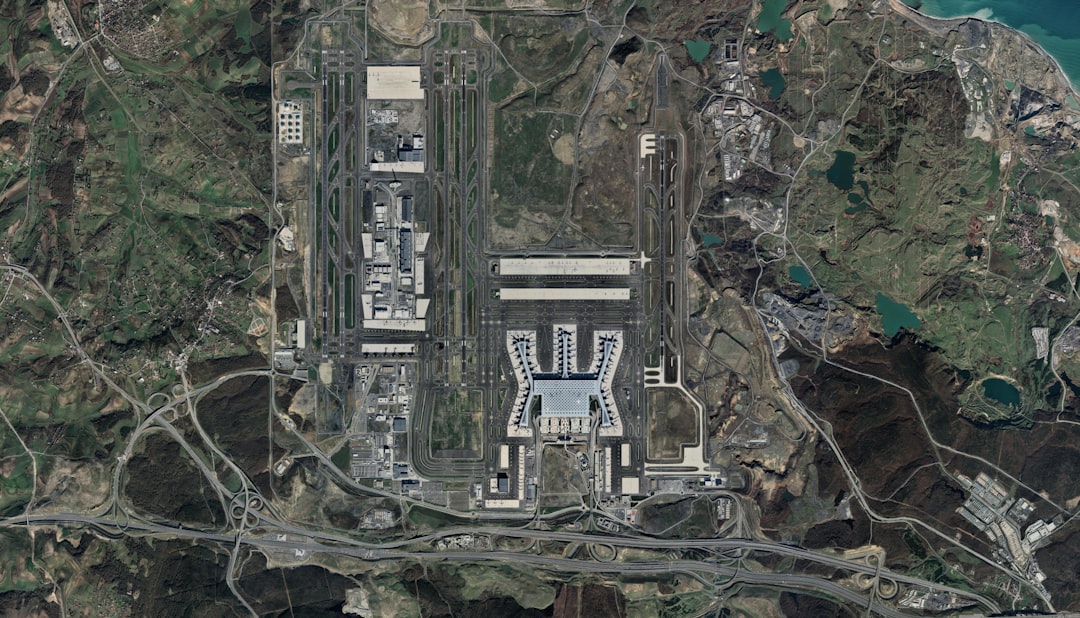
Satellite imagery from 38 North shows major construction and modernization at the Yongbyon Nuclear Scientific Research Center throughout 2025. The facility is North Korea’s primary nuclear complex.
The expansion includes a suspected new uranium enrichment facility. Construction began while dismantling the aging 50 MWe reactor, suggesting North Korea is upgrading its nuclear production capabilities rather than reducing them.
Additional satellite analysis detected ongoing activity at the radiochemical laboratory, where plutonium is separated for weapons use. Construction at this facility neared completion by January 2025.
The Defense Intelligence Agency’s 2021 assessment estimated North Korea possessed enough fissile material for 20-60 nuclear weapons. The Yongbyon expansion suggests that number is climbing.
The Distraction Window
North Korea’s strategic calculus centers on a simple premise: if US forces are committed in multiple theaters, Korean Peninsula deterrence weakens.
That window opened wider in 2024-2025. The US maintains significant commitments in Ukraine support, Middle East deployments, and Indo-Pacific positioning. North Korea’s nuclear posture continued advancing throughout this period.
The timing of major developments supports this theory. The Hwasong-19 ICBM test occurred during peak US election uncertainty. Major Yongbyon expansion accelerated throughout 2025 as global attention focused on other conflicts. North Korean troop deployments ramped up to 30,000 personnel.
Kim Jong Un formalized this calculus in September 2022 nuclear law, which authorizes preemptive nuclear strikes if the regime faces an “imminent nuclear attack” or threat to its survival. The law deliberately uses vague language about what constitutes such threats.
Official Response and Alternative Perspectives
US officials have repeatedly warned about North Korea’s nuclear advances. However, South Korean and Chinese assessments offer different perspectives on the threat timeline.
South Korean intelligence estimates suggest the weapons program faces technical limitations despite recent advances. Chinese officials have consistently called for resumed diplomatic engagement rather than enhanced sanctions. Chinese Foreign Ministry spokesman stated in January 2026 that “dialogue and consultation remain the only viable path to resolving Korean Peninsula nuclear issues.”
North Korean state media has framed the weapons development as defensive, with KCNA reporting that Kim Jong Un views the nuclear program as essential for national survival against what Pyongyang calls “hostile US policies.”
The Russia Partnership Dividend
North Korea’s support for Russia’s Ukraine war created a strategic partnership that extends far beyond artillery shells.
North Korea sent 8 million shells and deployed up to 30,000 troops to support Russian operations. Putin signed a mutual defense treaty with North Korea in November 2024, which came into force in December.
What Kim received in return: advanced satellite technology, energy supplies, and hard currency. Kim Jong Un praised the “heroic” troops deployed with Russia in August 2025, suggesting the partnership delivered strategic value beyond immediate economic benefits.
The treaty creates mutual defense obligations. If North Korea triggers a conflict on the Korean Peninsula, Russia is formally committed to provide military assistance. That changes the deterrence equation for any US response.
The Artillery Threat No One Discusses
North Korea maintains extensive artillery positions targeting Seoul and surrounding areas. The DIA assessment details thousands of artillery pieces positioned within range of South Korean population centers.

Unlike nuclear weapons, which carry massive escalation risks, artillery strikes on Seoul would create humanitarian catastrophe without crossing the nuclear threshold. North Korea could inflict substantial damage using conventional weapons while keeping the conflict below the level that triggers full US retaliation.
The artillery threat requires no advanced technology or complex delivery systems. It exploits geography: Seoul sits 35 miles from the DMZ, well within range of North Korean guns. No missile defense system stops artillery shells.
North Korea abandoned reunification as a policy goal in January 2024, removing a key restraint on military action against the South. Kim Jong Un declared South Korea a “hostile state” rather than a future partner for unification.
The Blind Spot in US Strategy
Current US assessments focus on North Korea’s nuclear capabilities while underestimating the conventional threat matrix. The DIA’s 2021 report emphasizes missile and nuclear programs but dedicates limited analysis to artillery positioning or conventional strike scenarios.
North Korea’s cyber capabilities represent another underassessed threat. US Treasury sanctions in November 2025 targeted North Korean cybercrime operations that laundered $147.5 million in stolen cryptocurrency in March 2024 alone.
These cyber operations fund weapons programs while creating attack vectors against US and allied infrastructure. North Korean hackers are stealing record sums, with growing size and sophistication according to October 2025 analysis.
The combination of nuclear weapons, conventional artillery, cyber capabilities, and Russian partnership creates a threat portfolio that no single defense strategy addresses comprehensively.
North Korea spent five years building 13 new nuclear systems while the world watched other conflicts. The distraction window worked exactly as Kim Jong Un calculated.