Day 56: Iran Naval Raids Block Strait of Hormuz Oil Transit
- Iran seized multiple vessels in the Strait of Hormuz using armed commandos, releasing video of the operations
- Trump authorized US forces to “shoot and kill” Iranian small boats deploying mines in the waterway
- 90 ships normally transit the strait daily. Under 100 have passed since early March
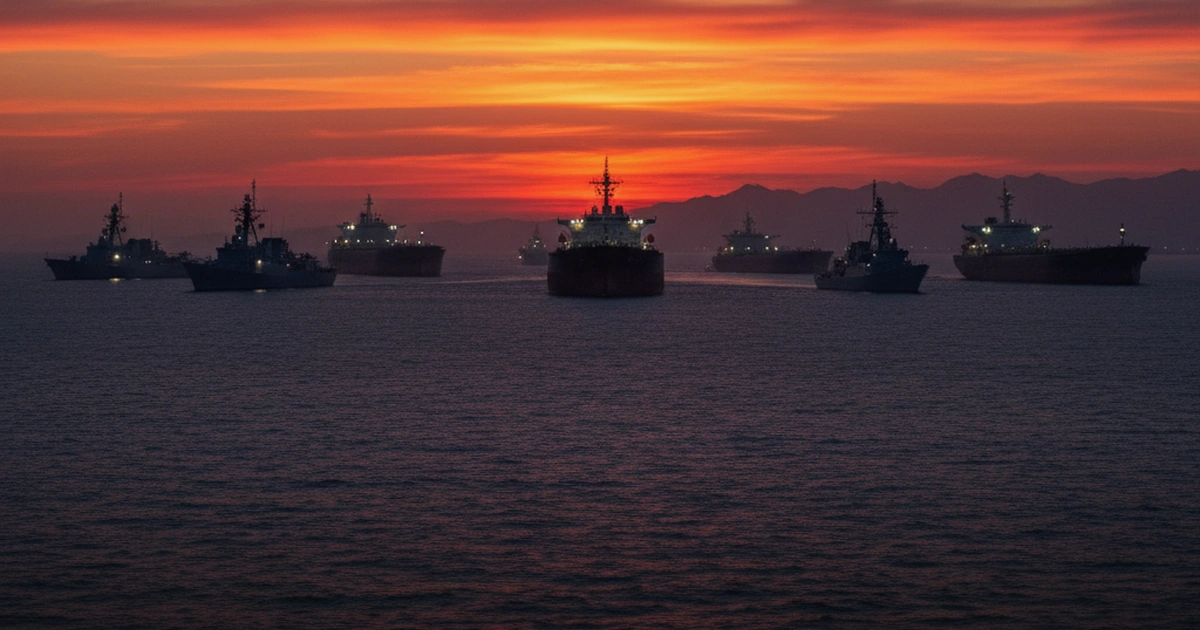
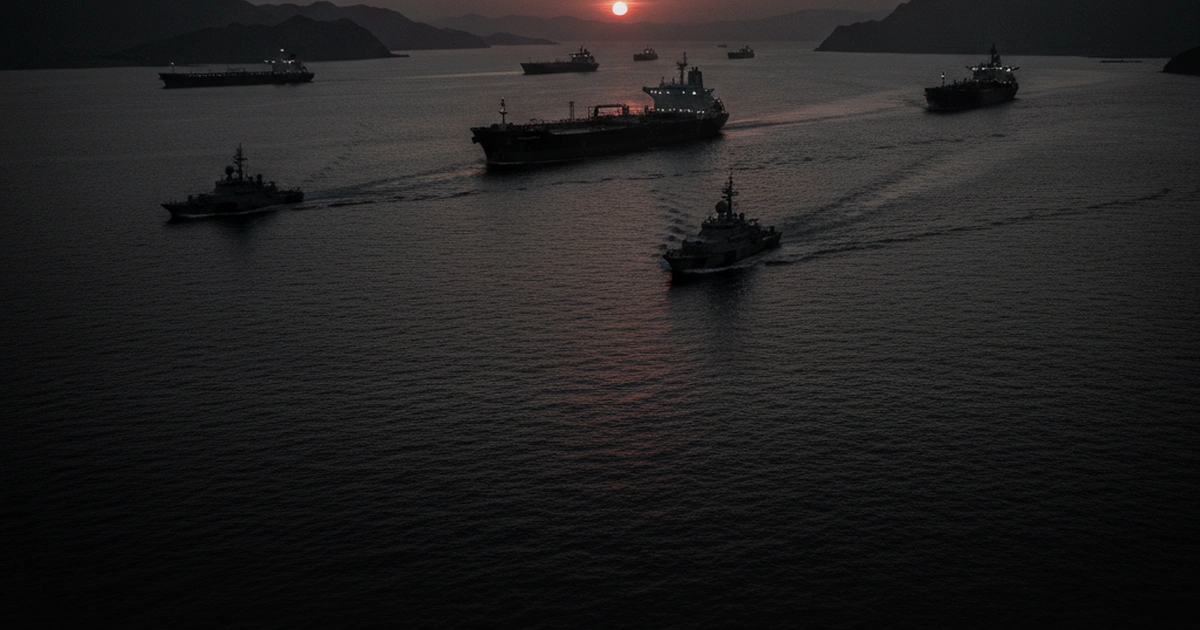
Iran seized multiple ships in the Strait of Hormuz on Tuesday as President Trump authorized lethal force against Iranian mine-laying boats. Iranian commandos stormed cargo vessels, marking the most aggressive maritime interdiction since the conflict began.
Trump responded with his most explicit military authorization yet. The president ordered US forces to “shoot and kill” Iranian boats caught deploying mines in the strait.
Oil prices hit $106.50 per barrel for Brent crude as markets absorbed the supply disruption. Airlines in Europe slashed thousands of flights as jet fuel costs surged. United Airlines raised ticket prices up to 20% due to fuel cost increases from the Iran conflict.
Iran has not issued public statements defending the seizures in the sources reviewed for this analysis.
The Seizures
Iran’s command released video showing armed commandos boarding commercial vessels in the Strait of Hormuz. The operations occurred after what Iran claimed were attacks on the ships. Tehran provided no evidence of hostile fire.
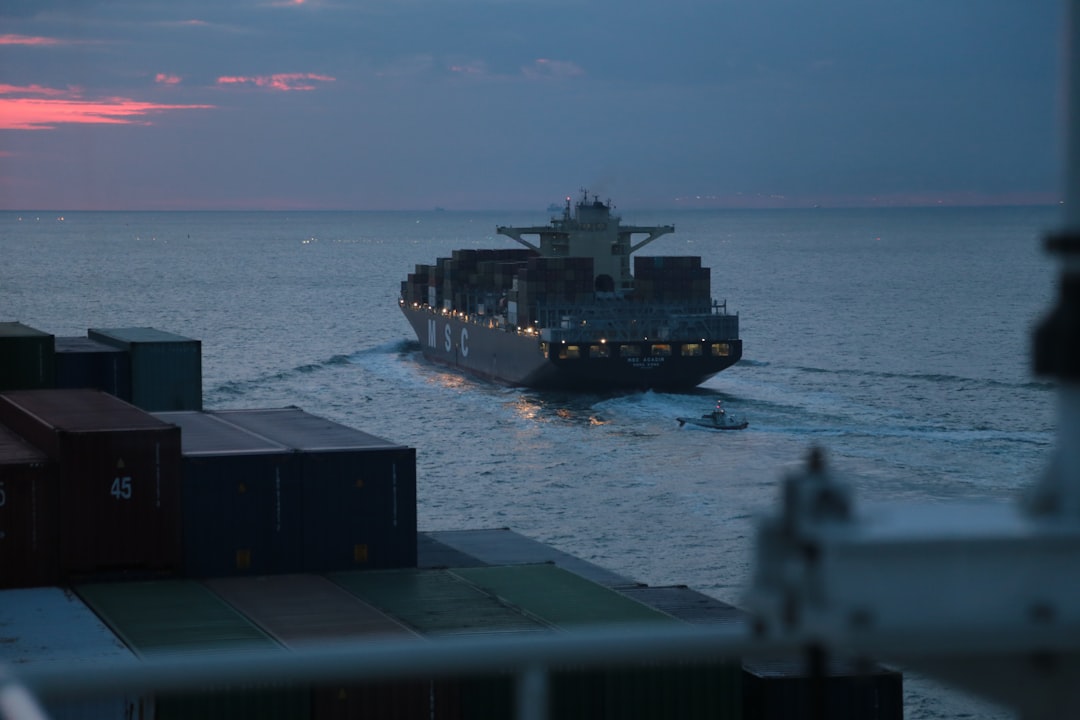
The seized vessels were described as “armed to the teeth” by Iranian media and have been taken toward Iranian ports. One ship belongs to a billionaire close to Trump and French President Macron, adding diplomatic complexity to the maritime crisis.
US forces responded by boarding an Iran-linked vessel in the Indian Ocean, continuing the tit-for-tat pattern that has characterized the Hormuz standoff. The Pentagon confirmed the operation but provided no details about what officials found aboard the vessel.
Hapag-Lloyd confirmed one vessel crossed the waterway recently. The single transit highlighted how thoroughly Iran has throttled commercial traffic through the world’s most critical oil chokepoint. The strait normally handles 90 ships per day.
The Economic Squeeze
The Hormuz blockade is reshaping global energy markets. The UN reported that Hormuz tensions continue to throttle supply chains worldwide despite the Israel-Lebanon ceasefire extension.
The blockade extends beyond oil. The UN warned of a growing minerals crunch as the Middle East war disrupts commodity flows. European officials called for accelerated renewable energy adoption to end fossil fuel “blackmail from war-driving authoritarian regimes.”
The economic math is stark. For every day the strait remains blocked, global oil supplies tighten further. Under 100 ships have passed since early March. The waterway handles roughly 20% of global oil flows under normal conditions.
Major shipping companies have suspended Hormuz transits entirely. Insurance rates for vessels attempting the passage have increased by triple-digit percentages, according to shipping industry reports.
The Clearance Problem
Clearing the waterway will take months even if Iran stops mining operations today. Dow CEO Jim Fitterling estimated that resolving the Hormuz shipping logjam will require almost a year.
Mines deployed by Iran could take up to six months to clear, Israeli intelligence assessments found. The timeline assumes Iran stops laying new mines and allows clearance operations to proceed.
Analysis comparing current conditions to the 1980s found that Iran’s current capabilities far exceed what the country possessed four decades ago. Modern Iranian mines are more sophisticated and harder to detect than Soviet-era weapons used in the 1980s Tanker War.
Trump’s “shoot and kill” authorization targets the source rather than just the symptoms. By authorizing lethal force against mine-laying boats, the US aims to prevent new deployments rather than just clear existing hazards.