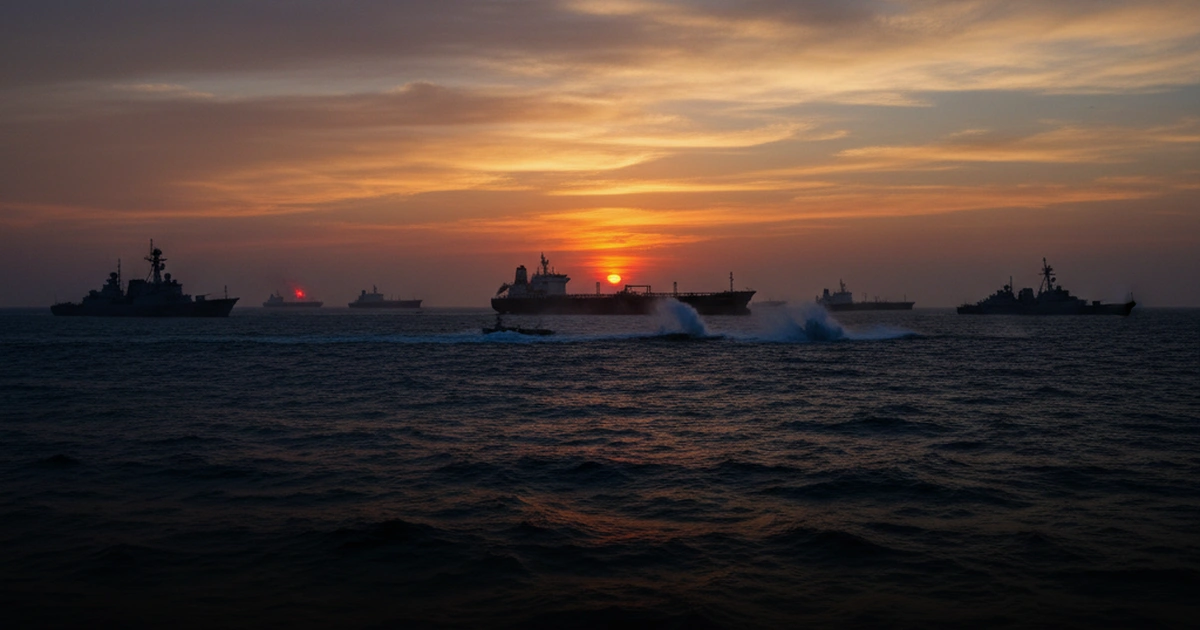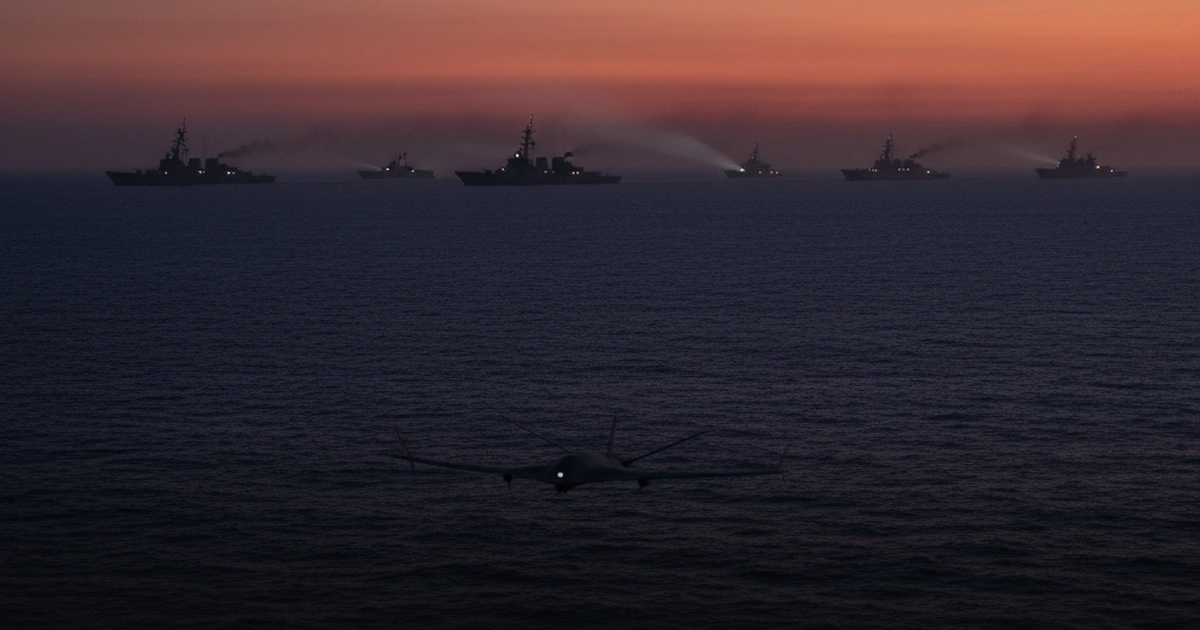
- A U.S. attack submarine sank the Iranian frigate IRIS Dena, resulting in over 80 deaths and 60 personnel missing.
- Operation Epic Fury has achieved an 86% reduction in Iranian ballistic missile launches through systematic launcher destruction.
- A ballistic missile successfully penetrated air defenses at Al Udeid Air Base in Qatar, highlighting persistent vulnerabilities.
The U.S. Navy has executed the first submarine-launched torpedo kill since 1945, sinking the IRIS Dena off the coast of Sri Lanka. This event forces a new calculus: tactical dominance versus the long-term sustainability of regional air defense.
The Sinking of IRIS Dena
The engagement marks the first time a U.S. submarine has utilized a torpedo in combat since the USS Torsk in 1945. It is also the first instance of a nuclear-powered submarine using a guided torpedo to destroy an enemy warship, according to Military.com.

The IRIS Dena was tracked following its departure from the Visakhapatnam Fleet Review. The strike involved an under-keel detonation that proved fatal for the vessel, USNI News reported.
The ship carried a crew of 180. The Sri Lankan Navy confirmed 32 survivors, with over 80 bodies recovered and at least 60 personnel remaining missing, as detailed by Naval News.
Defense Secretary Pete Hegseth characterized the event as a quiet death, declaring the Iranian Navy effectively combat ineffective, per The National.
The Military Effectiveness Case
Operation Epic Fury has utilized 1,600 aerial sorties and 4,000 precision munitions to degrade Iranian offensive capabilities.
The campaign has successfully neutralized more than 300 Iranian missile launchers and 200 air defense systems. This shift toward hunting the archer has resulted in an 86% drop in ballistic missile launches and a 73% decline in one-way attack drone activity since the start of the conflict, according to Fox News.
B-1B Lancers are now operating with near-impunity, signaling that U.S. forces have largely achieved air superiority, reports Sandboxx.
Iranian crews have been observed abandoning launchers after firing single shots to avoid destruction. This pattern suggests the current strategy is collapsing Iran’s immediate capacity to retaliate, as assessed by the ISW/Critical Threats.
The Interceptor Deficit
Tactical success in the field is being tested by the reality of saturation attacks against static infrastructure.

A ballistic missile penetrated the multi-layered air defenses at Al Udeid Air Base in Qatar. While the Qatar Defense Ministry confirmed two missiles were launched and one was intercepted, the second struck the base, according to Stars and Stripes.
The math of the conflict creates a significant sustainability gap. Iran produces approximately 100 ballistic missiles per month, while U.S. interceptor production sits at roughly 6 to 7 units per month. With a regional pool of 1,000 to 2,000 interceptors, the cost of defense is asymmetrical. A single THAAD interceptor costs $12 million, whereas Iranian munitions are produced at a fraction of that cost, as analyzed by CNN.
The data supports two competing assessments. Advocates argue that destroying launchers at the origin renders the interceptor deficit irrelevant. Skeptics point out that the Al Udeid breach proves saturation can still overwhelm current defenses. They also note that deep underground reserves may preserve Iran’s long-term capability. The final outcome remains uncertain. Analysts and policymakers must weigh these two distinct realities as the conflict continues to evolve.