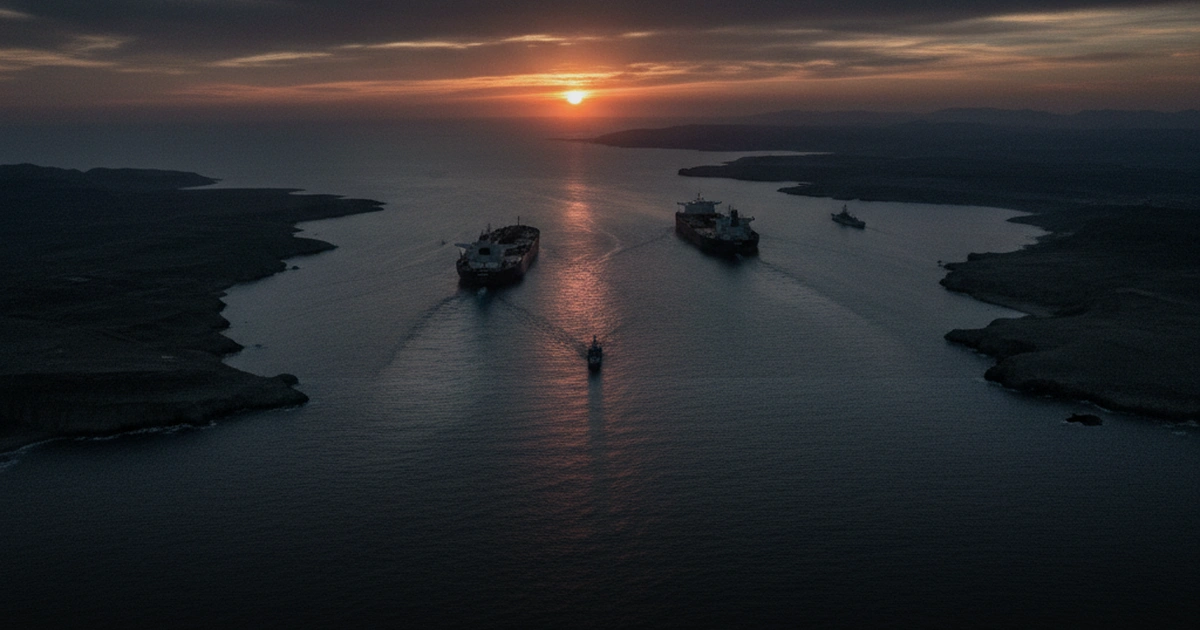
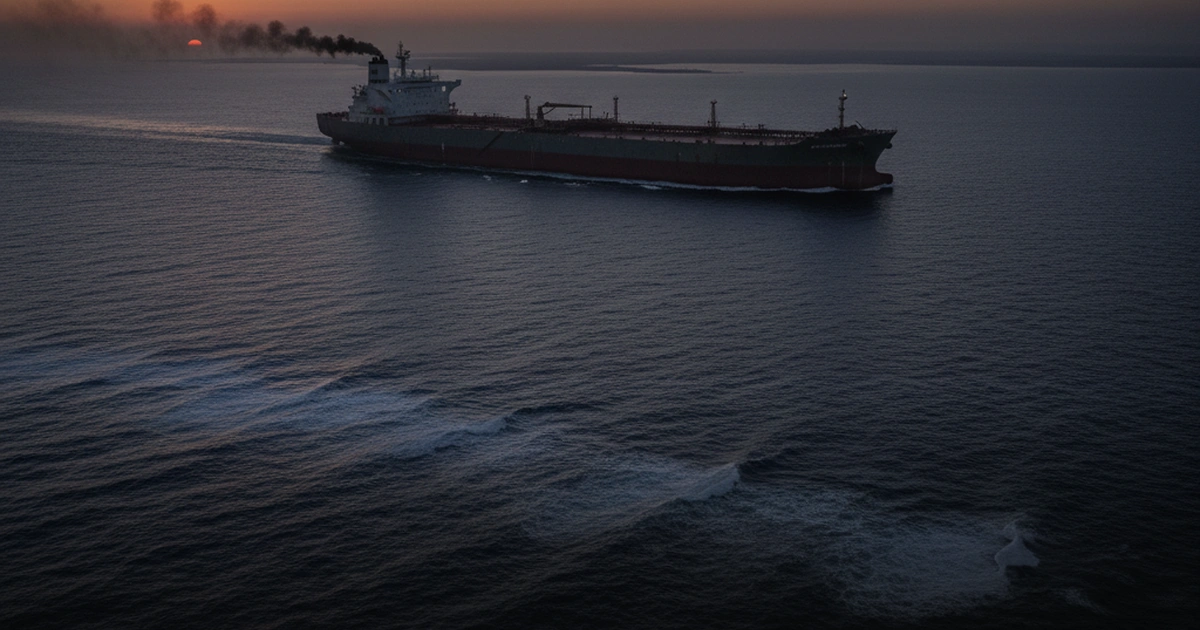
- CENTCOM has formally designated its ongoing US-Iran campaign Operation Epic Fury, with May 4 marking the first direct US kinetic action against IRGCN naval assets since the conflict began in February.
- Iran fired cruise missiles at the UAE on May 4, continuing a campaign that has seen hundreds of ballistic missiles intercepted since February.
- The Trump administration maintains that hostilities legally terminated in April, sidestepping a congressional War Powers Act deadline.
The Kinetic Engagement
On May 4, US forces conducted what CENTCOM has formally designated Operation Epic Fury, the umbrella name now applied to its US-Iran campaign. The day’s strike marked a shift in posture: while prior operations since February have focused on air and missile defense, this engagement represents the first direct US kinetic action against the Islamic Revolutionary Guard Corps Navy (IRGCN) in the current conflict.
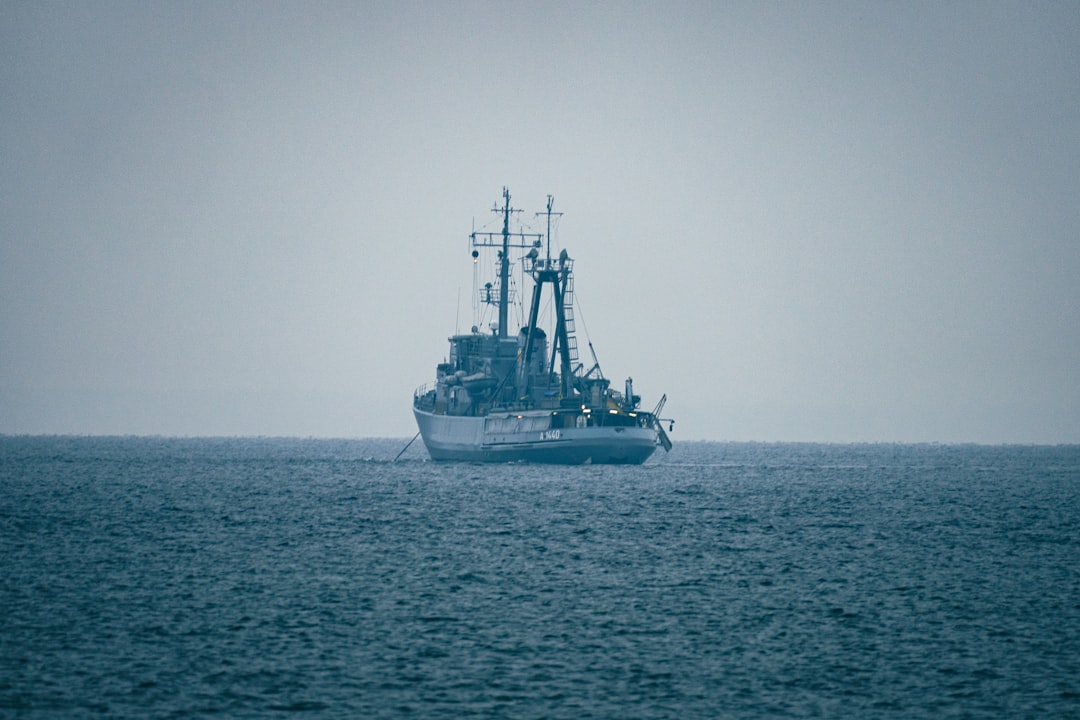
Reporting around the operation describes the destruction of IRGCN fast boats in the Strait of Hormuz, though specific operational details (vessel count, platforms, casualties) are not yet detailed in the publicly available CENTCOM statement and warrant wire confirmation. US military officials had been developing plans for dynamic targeting of Iranian assets in the strait throughout late April in anticipation of a potential ceasefire collapse.
Concurrent with the naval engagement, Iran launched cruise missiles at the UAE. This strike fits into a wider campaign that has persisted since late February, forcing the UAE to rely heavily on its THAAD and Patriot missile defense systems. The UAE has consistently condemned these acts as flagrant violations of sovereignty.
The Legal Contradiction
The White House and Congress remain locked in a dispute over the legal status of the conflict. The War Powers Resolution required the administration to obtain congressional authorization or withdraw forces within 60 days of the start of hostilities.
Administration officials argued that the ceasefire beginning in early April effectively reset the clock and terminated hostilities for statutory purposes. This claim allowed the administration to bypass a formal vote as the May 1 deadline passed.
The battlefield reality now challenges that legal framework. Conducting a direct kinetic strike on Iranian naval assets on the same day the administration claims hostilities are “terminated” creates a factual record that contradicts the White House’s position. This gap has intensified the congressional pushback against the administration’s interpretation of the law.
Economic and Strategic Fallout
The combination of the Strait of Hormuz naval engagement and the ongoing missile campaign against the UAE pushed Brent crude sharply higher on May 4, extending a war-risk premium that has kept prices elevated since the February escalation.
The UAE has warned the UN Security Council that allowing Iran to use the strait as a tool for leverage threatens the international order required for global trade. With Hormuz traffic now contested by direct US-Iranian naval combat, shippers, insurers, and Gulf producers face a step-change in risk that the existing energy-price-stabilization mechanisms were not designed to absorb.
The conflict is widening. The administration’s legal posture and the military’s operational reality are no longer aligned.