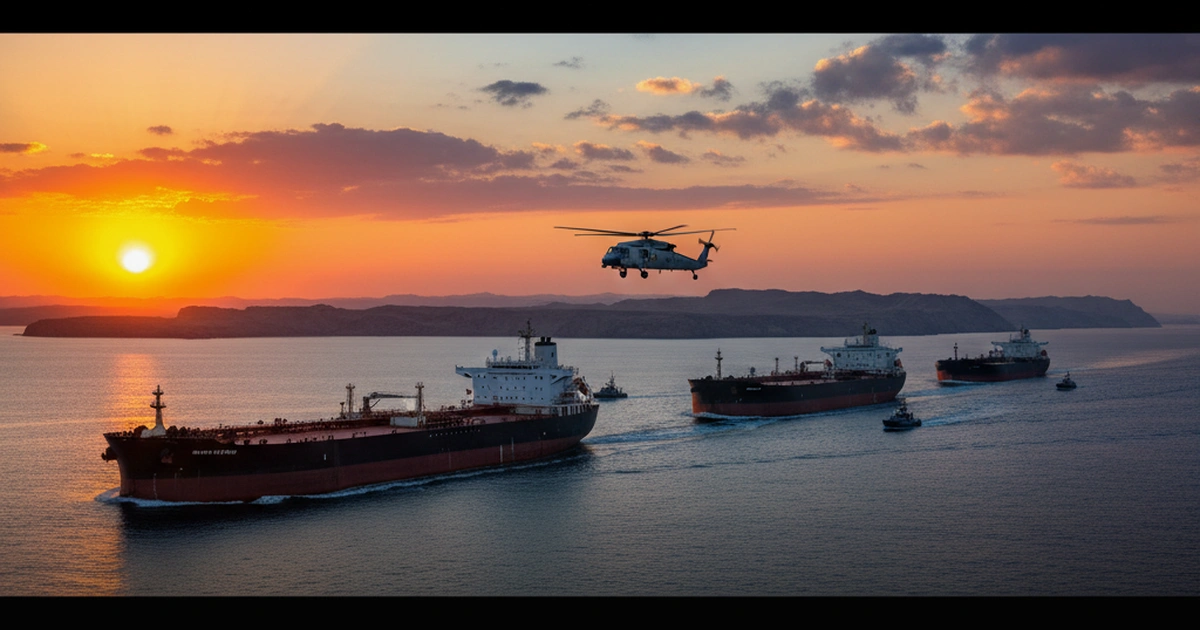
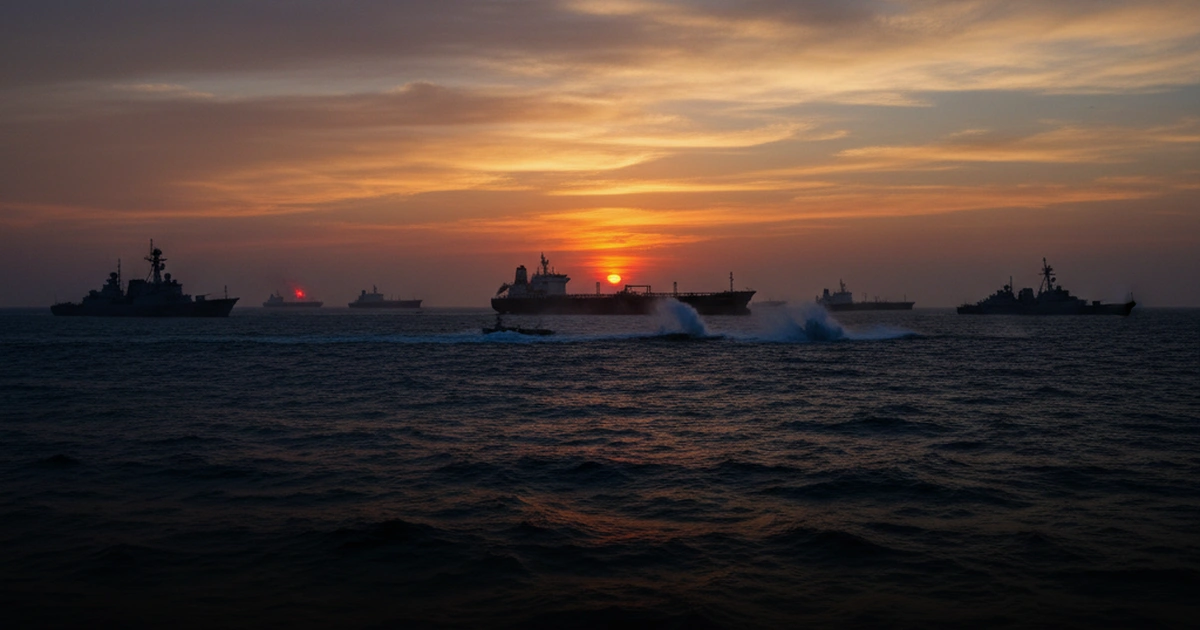
- The U.S. suspended Project Freedom after less than 48 hours of operation.
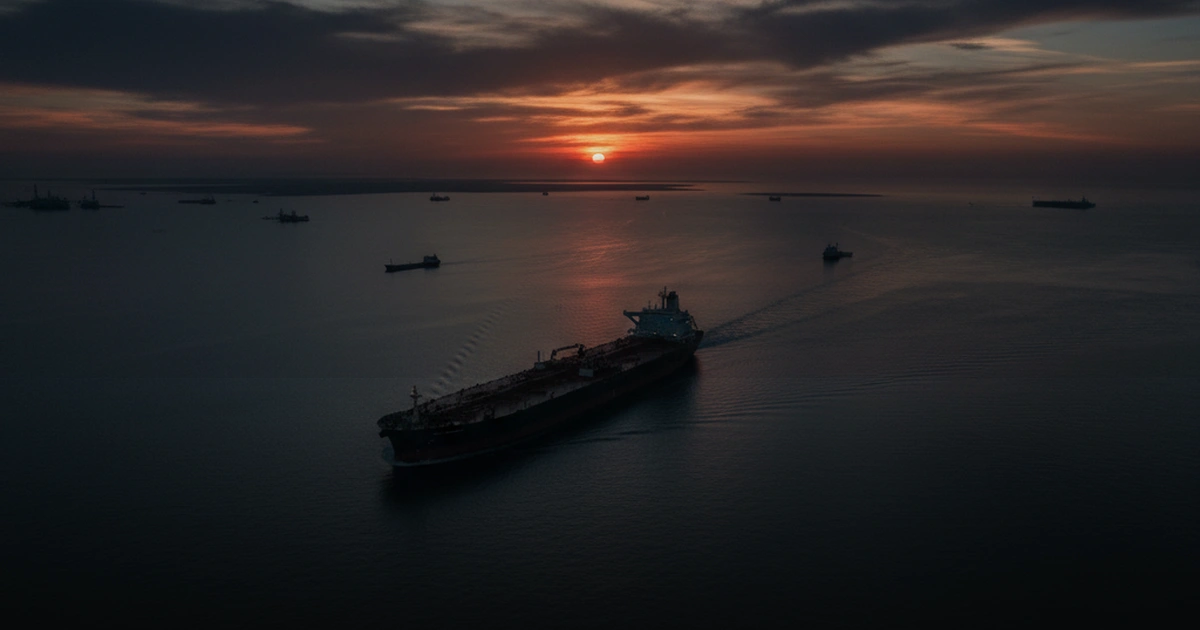
- Approximately 1,600 ships remain stuck in or near the Strait of Hormuz.
- The administration cited progress in ongoing peace negotiations with Tehran as the reason for the pause.
The Breakdown of Project Freedom
Project Freedom collapses under the weight of commercial reality. The mission intended to restore transit security for global trade. It stalled within two days, leaving 1,600 vessels in a state of suspended animation, according to CNN. Maritime insurers, wary of the heightened risk profile, effectively blocked the initiative by refusing to underwrite the insurance policies required for escorted passages.
This failure reveals a structural flaw in the mission design. The administration prioritized military presence over the economic incentives that drive global shipping. Insurers operate on actuarial data, not political promises. When the government failed to provide a credible security guarantee that satisfied underwriters, the mission lost its utility. The shipping industry remains tethered to risk assessments that government assurances cannot override. The result is a persistent bottleneck that impacts regional economic flows, according to NBC News.
The economic implication is binary. If the U.S. government does not act as the primary insurer for these vessels, the mission remains a symbolic gesture rather than a functional escort. By failing to provide a sovereign guarantee for war-risk premiums, the U.S. forced private firms to choose between total loss of cargo or total cessation of transit. This choice effectively paralyzed the Strait. The mission design ignored the reality that capital flows dictate maritime movement more than naval presence.
The Diplomatic Calculus
The abrupt reversal in policy follows pushback from international allies and a strategic shift in U.S. messaging. The administration now claims it is nearing a memorandum of understanding with Tehran. Trump has stated that the conflict will be “over quickly,” though he maintains a threat of resumed bombing if a final deal is not reached.
The math of the conflict is clear. A pentagon estimate places the cost of the war at $25 billion. If the current ceasefire holds, that figure remains a sunk cost. If the deal fails, the cost of sustained combat operations, coupled with the multi-billion dollar trade disruption in the Strait, will force a new round of fiscal calculations for the U.S. and its partners. This pattern suggests a shift from direct military intervention to a reliance on economic leverage, as the U.S. attempts to offload the burden of regional stability onto diplomatic frameworks.
The strategic pivot forces a forced choice for the administration. They must either secure a binding agreement that lowers insurance premiums through reduced regional hostilities or return to a costly military escort model that requires direct state-backed financial underwriting. The current pause suggests the administration prefers the diplomatic path to avoid the fiscal exposure of the latter.
What Comes Next
All eyes are now on the upcoming summit between the United States and China. Beijing is stepping up its diplomacy to ensure the Strait remains open, prioritizing oil flow and economic stability over military posturing. Whether Iran chooses to finalize the proposal currently under review will determine if the current pause in hostilities becomes a durable ceasefire. None of those options are popular. All of them are on the table.