Trump Demands Iran’s Surrender While His Own Intel Says It Won’t Work
- Trump posted March 7 demanding Iran’s “unconditional surrender” and warning of “complete destruction and certain death” for areas that resist
- A classified National Intelligence Council assessment reported the same day concludes even large-scale military assault is “unlikely” to oust Iran’s regime
- Iran’s ballistic missile capability has dropped 94% while its president signals first de-escalation attempt since the war began
President Trump demanded Iran’s “unconditional surrender” on March 7, using language not deployed since World War II’s final phase against Japan and Germany. The same day, multiple outlets reported a classified National Intelligence Council assessment concluding that even large-scale military strikes are “unlikely” to topple Iran’s entrenched military and clerical establishment.
The contradiction exposes a fundamental split between presidential rhetoric and intelligence analysis 38 days into Operation Epic Fury. Trump has access to the assessment. He is choosing to pursue a different theory of the case.
The intelligence report, confirmed across multiple sources, assessed that Iran’s fragmented opposition would be unlikely to take control regardless of whether the U.S. carried out limited leadership strikes or a broader institutional assault. Iran’s institutions are structured to preserve continuity of power, not collapse under external pressure.
The Administration’s Case
Senior administration officials defend the pressure campaign strategy. National Security Advisor Michael Flynn argued on March 6 that intelligence assessments “underestimate regime weakness” and that maximum pressure combined with military strikes creates “cascading failures” the traditional intelligence community cannot predict.
Secretary of Defense Pete Hegseth told Congress on March 5 that the campaign aims to force Iran to choose between escalation and political survival. “We’re not trying to occupy Tehran. We’re demonstrating that resistance carries costs their system cannot sustain,” Hegseth said.
Treasury Secretary Scott Bessent pointed to Iran’s rial losing 40% of its value since Epic Fury began. Combined with frozen assets and oil export disruptions, economic pressure compounds military degradation. The administration argues this dual-track approach creates regime-threatening instability that intelligence models fail to capture.
The Military Numbers
The military campaign has systematically destroyed Iran’s offensive capability. Iran’s ballistic missile launches dropped 94% between early March and this week, according to JINSA analysis. Drone attacks fell 83%. Iran lost 75% of its launcher force.

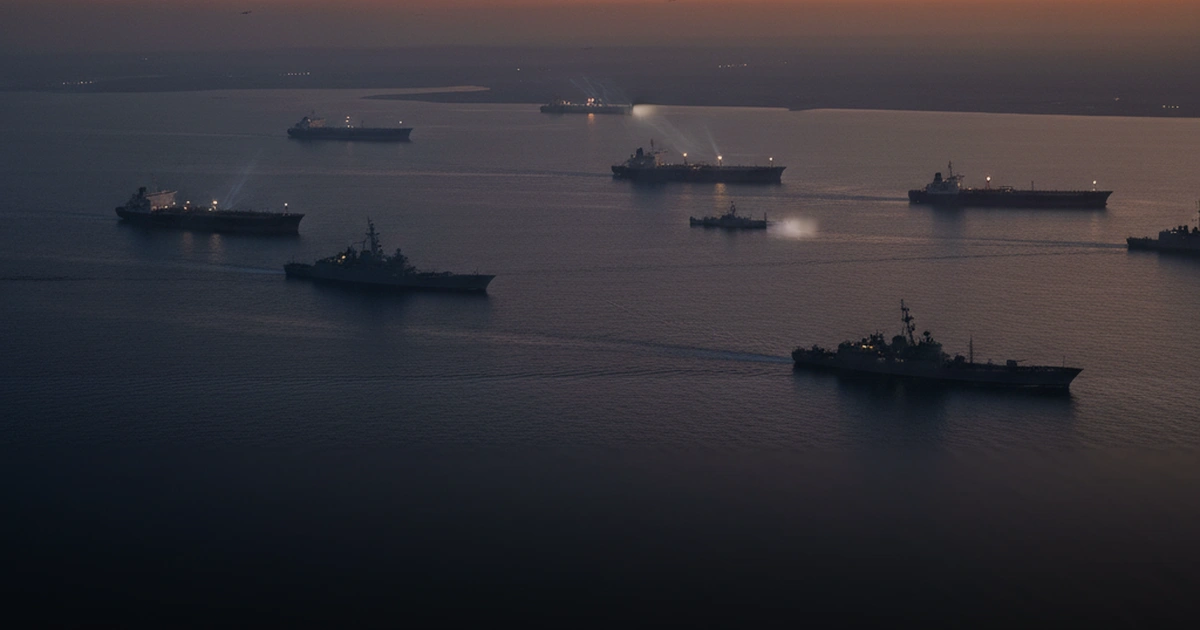
Iran started the war with roughly 2,000 medium-range ballistic missiles and 6,000-8,000 short-range systems. Most are now destroyed or expended. The country has moved from launching large waves to single-digit salvos. AEI’s Critical Threats Project reports 3,000+ targets struck, 43 warships sunk, and 300+ ballistic missile launchers rendered inoperable.
The 2025-2026 Iranian protests were the largest since 1979, spanning 100+ cities. The IRGC deployed foreign mercenaries and blacked out the internet to suppress demonstrations. Heritage Foundation analysts argue the regime was already fracturing before Epic Fury began.
If your own security forces can’t hold the streets without importing Iraqi Hashd al-Shaabi militia, that signals structural weakness. The question is whether military pressure accelerates political collapse or hardens institutional resistance.
The Historical Record
Air strikes alone have never toppled a government. Brookings analysis shows Kosovo 1999, Libya 2011, and the campaign against ISIS all required either ground forces or local partners to achieve regime change. Decapitation strikes have not produced regime collapse or sustained popular uprisings.
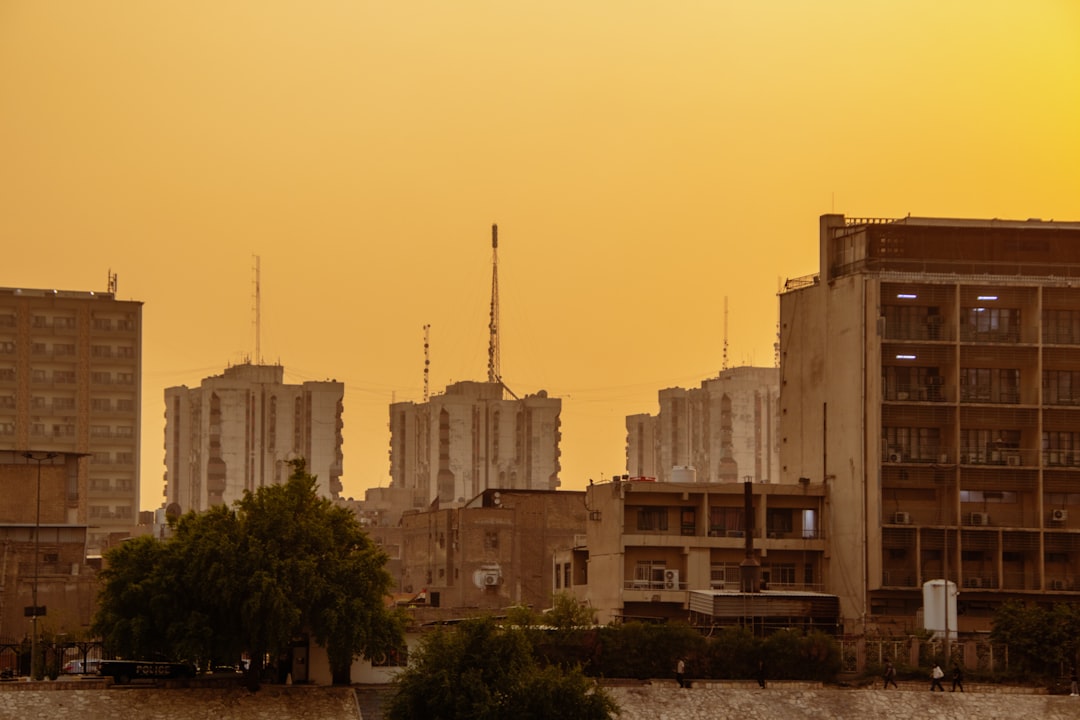
CFR researchers point to Iraq 2003: Saddam’s regime fell in three weeks, then came 20 years of insurgency, sectarian war, and hundreds of thousands dead. Toppling governments through air power is the easy part. Building legitimate political institutions cannot be airlifted in.
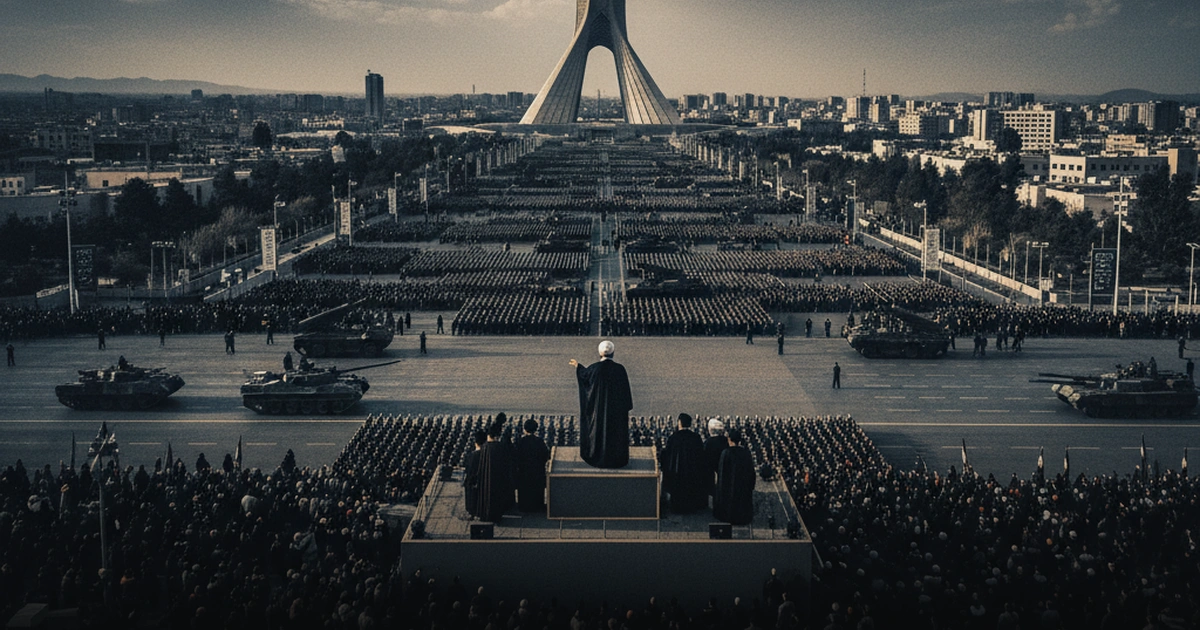
Iran is not Iraq. Iran has 88 million people, three times Iraq’s 2003 population. The IRGC is embedded deeper in the economy and society than Saddam’s Republican Guard ever was. Iran’s political system was designed for succession. Within 48 hours of Khamenei’s death, a three-person interim council was functioning. The Assembly of Experts is choosing a successor.
The system is doing exactly what it was built to do: absorb the shock and continue. Even AEI’s Critical Threats Project, which supports the military campaign, rates regime collapse as the least likely of three trajectories.
The IRGC Factor
Who actually runs Iran now? NBC and CNN report real power sits with the IRGC regardless of who becomes Supreme Leader. The corps controls the economy, the security apparatus, and the nuclear program. Killing Khamenei may have strengthened them by removing the one person who could restrain them.
Christian Science Monitor reports the regime “remains confident” despite historic pressure. Foreign Minister Araghchi announced a “mosaic defense” using decentralized, independent military units carrying out pre-issued orders. The regime planned for exactly this scenario. Iran’s state-run IRNA news agency quoted IRGC Commander Hossein Salami on March 7 saying the corps “will fight until the last drop of blood” and that military strikes only “strengthen our resolve.” Salami claimed Iran has activated “strategic reserves” not yet deployed in the conflict.
Then came March 7’s contradiction. Pezeshkian apologized to Gulf neighbors and pledged to stop striking them conditional on no attacks launched from their territory. CNN called it the “first significant message of de-escalation” since the war began.
Hours later, Trump posted about “complete destruction and certain death” for Iranian areas that resist surrender.
One side is looking for an off-ramp. The other is accelerating toward total war. If Iran’s regime is collapsing, why is its president making calculated diplomatic moves? And if the campaign is succeeding, why is the president escalating rhetoric instead of declaring victory?
The intelligence assessment answers neither question. It simply concludes that 47 years of institutional survival cannot be undone through air strikes alone. The president is demanding an outcome his own analysts told him is not achievable through military force.