Iran Moves 20 Million Barrels Through Shadow Network Despite US Blockade
- Iran shifted 20 million barrels through offshore oil transfers bypassing Trump’s port blockade
- US forces stopped nine oil tankers attempting to break the naval interdiction
- Wall Street hit record highs as investors bet on war’s end despite continued oil flows
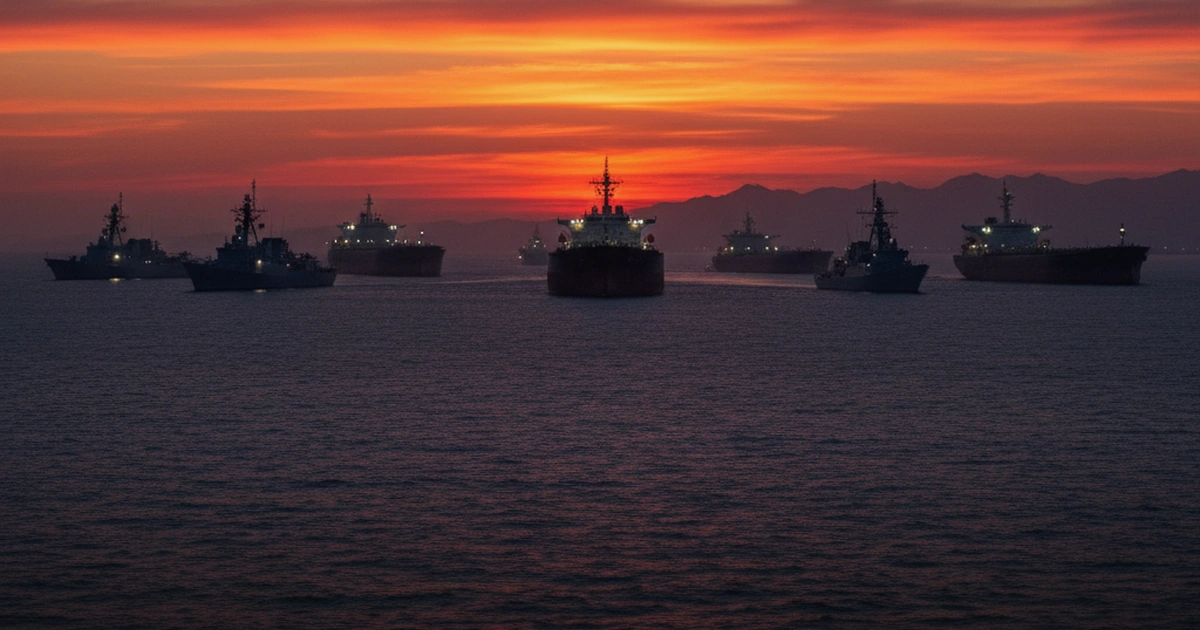
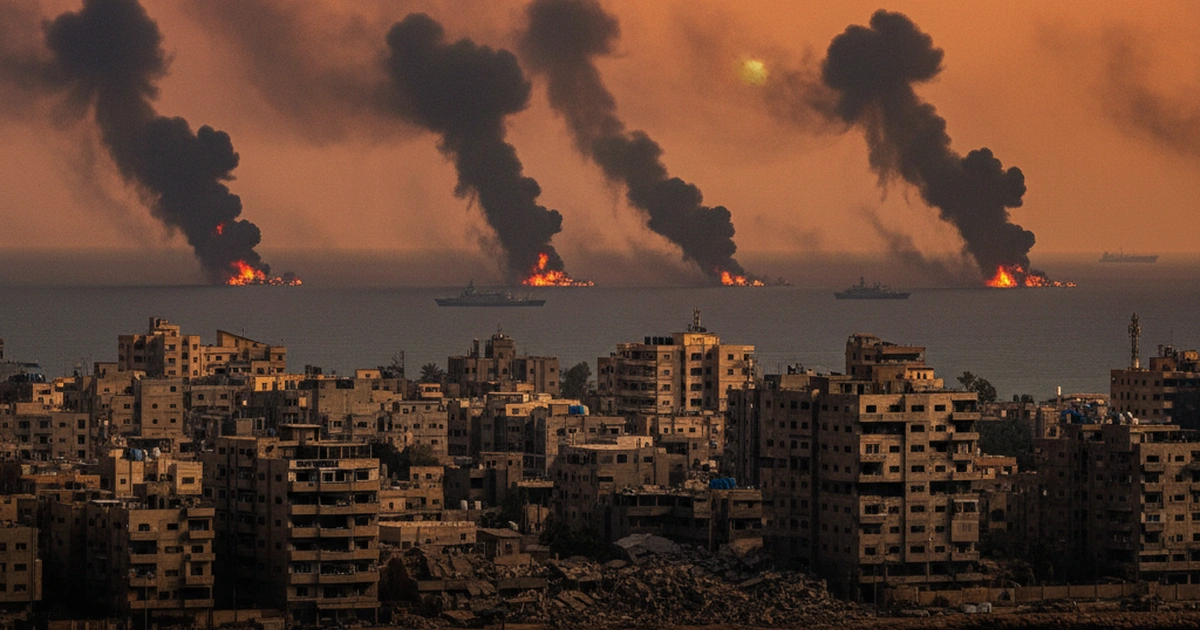
Iran’s oil exports continue flowing through shadow networks 48 days into the conflict, undermining the effectiveness of Trump’s naval blockade. While US forces have interdicted multiple vessels, Tehran has adapted with offshore transfer operations that move millions of barrels beyond the reach of American destroyers.
The persistence of Iranian exports comes as Trump declared the war “very close to over” and announced new talks could resume within days. Market confidence in a diplomatic resolution has driven the S&P 500 to all-time highs despite ongoing hostilities.
The Shadow Fleet Operation
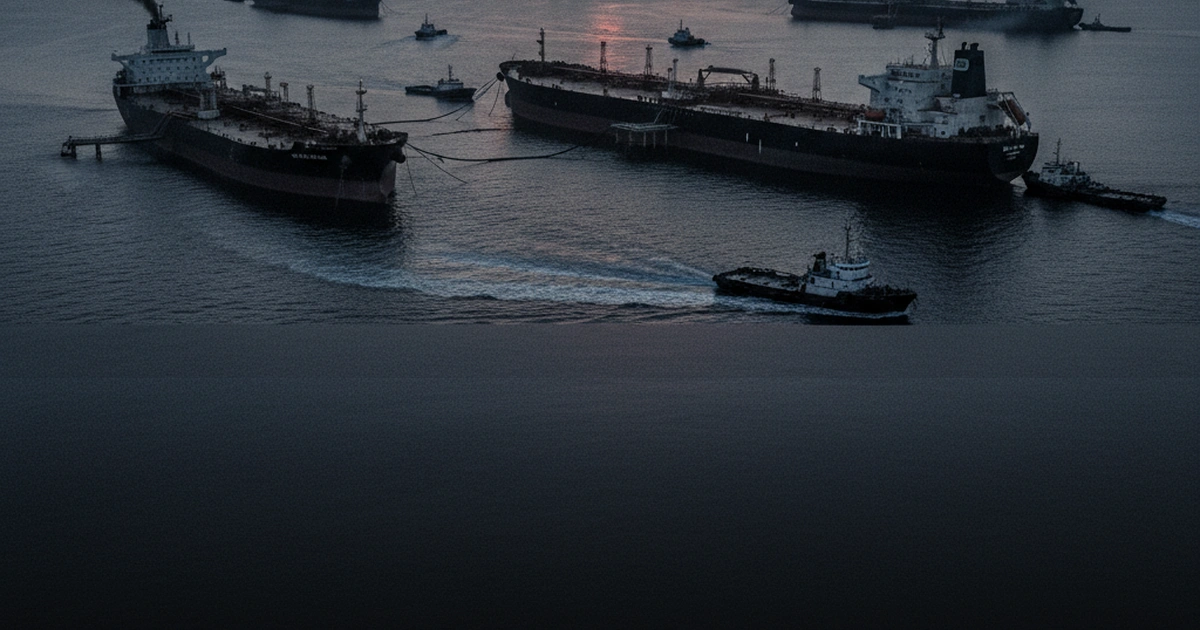
Iran has deployed what analysts describe as a “dark” offshore oil network to circumvent US port restrictions. A firm tracking Iranian exports reported that Tehran moved 20 million barrels through ship-to-ship transfers conducted beyond the 12-mile limit of US territorial enforcement.
The operation relies on tankers that disable their Automatic Identification Systems and conduct transfers in international waters. Iran claims oil tankers continue transiting the Strait of Hormuz despite the American naval presence.
US forces have responded by stopping nine vessels attempting to break the blockade. The Pentagon declared the blockade “fully implemented” but acknowledged the challenges of monitoring all maritime traffic in the region.
Iranian Foreign Ministry officials called the blockade “ineffective and illegal”, insisting that “Iran cannot be besieged”. Tehran has threatened to halt Red Sea traffic in retaliation for the US port restrictions.
Market Response
Financial markets have largely ignored the continued oil flows, instead focusing on diplomatic signals. The S&P 500 reached a new all-time high as investors shrugged off the Iran war oil price spike.

The market rally reflects hopes for the Iran war’s end after Trump’s optimistic statements about negotiations. The president said talks with Iran will happen soon and could resume within days.
However, significant gaps remain between the negotiating positions. A senior US official described the distance as “wider than the Strait of Hormuz”. An expert assessment suggests there likely won’t be a deal before the ceasefire expires.
The IMF cut its global growth outlook citing fallout from the Iran conflict. Iran’s war-shattered economy provides Tehran with urgent reasons to negotiate, according to economic analysts.
The Numbers Game
The shadow fleet operations reveal the limits of naval interdiction. For every tanker the US Navy stops, multiple vessels appear to complete their missions through offshore transfers. Iran moved 20 million barrels while US forces interdicted nine ships. That’s roughly 2.2 million barrels per intercepted vessel.
China has pressed Iran to reopen the Strait of Hormuz, adding diplomatic pressure on Tehran. Beijing’s involvement reflects concern about energy supply disruptions affecting Chinese imports.
The persistence of Iranian oil exports despite 48 days of conflict demonstrates the resilience of global energy networks. Dark fleet operations and offshore transfers provide Tehran with revenue streams that traditional port blockades cannot fully eliminate.
Markets are betting Trump’s diplomatic optimism proves accurate. The alternative is an escalating conflict that shadow fleets cannot indefinitely sustain.