Trump Extends Iran Ceasefire as Naval Blockade Threatens Permanent Oil Crisis
- Trump extended the US-Iran ceasefire indefinitely while maintaining the naval blockade of Iranian ports
- Three commercial vessels were attacked by gunfire in the Strait of Hormuz hours after the ceasefire extension
- Iran demanded the blockade be lifted before participating in new peace talks, calling the US position contradictory
President Trump extended the US-Iran ceasefire indefinitely on Monday while maintaining the naval blockade that has paralyzed global oil markets for 54 days. Trump announced the extension citing Iran’s “seriously fractured” government and the need to give Tehran time to submit a peace proposal.
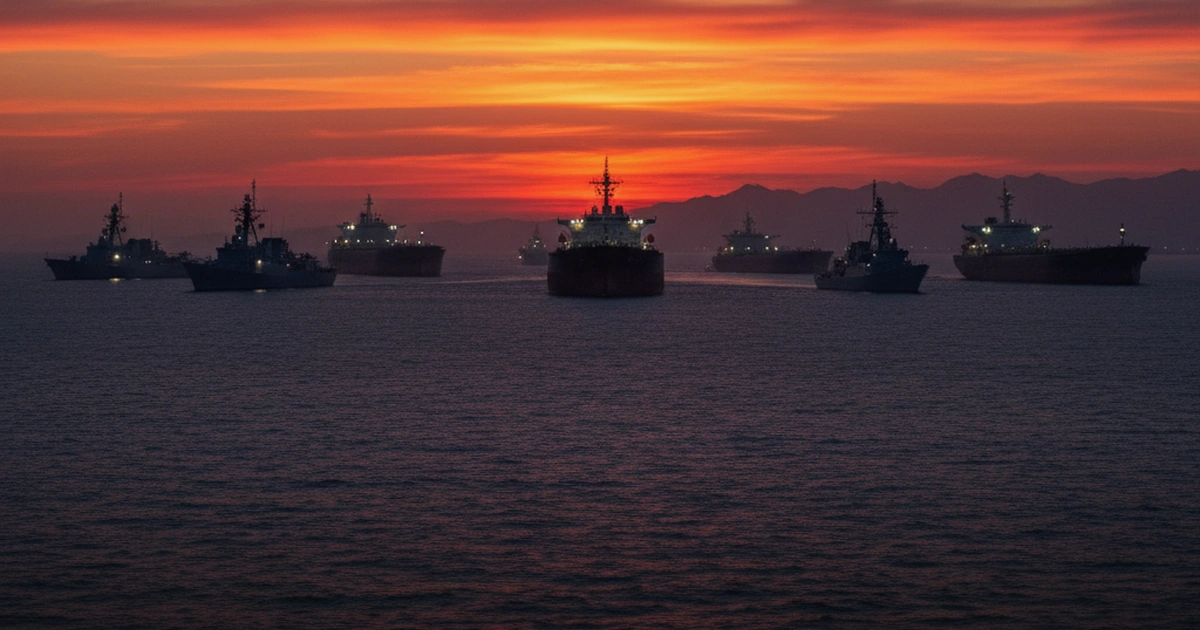
Hours after the announcement, three commercial vessels were hit by gunfire in the Strait of Hormuz. All crews remained safe, but the attacks highlighted the fragility of shipping lanes that carry 21% of global petroleum liquids.
The ceasefire extension came as Pakistan-mediated peace talks stalled over Iran’s demand that the US lift its blockade before negotiations resume. Iran’s Foreign Ministry called the US position “contradictory,” insisting on blockade removal as a precondition for talks.
The Blockade Paradox
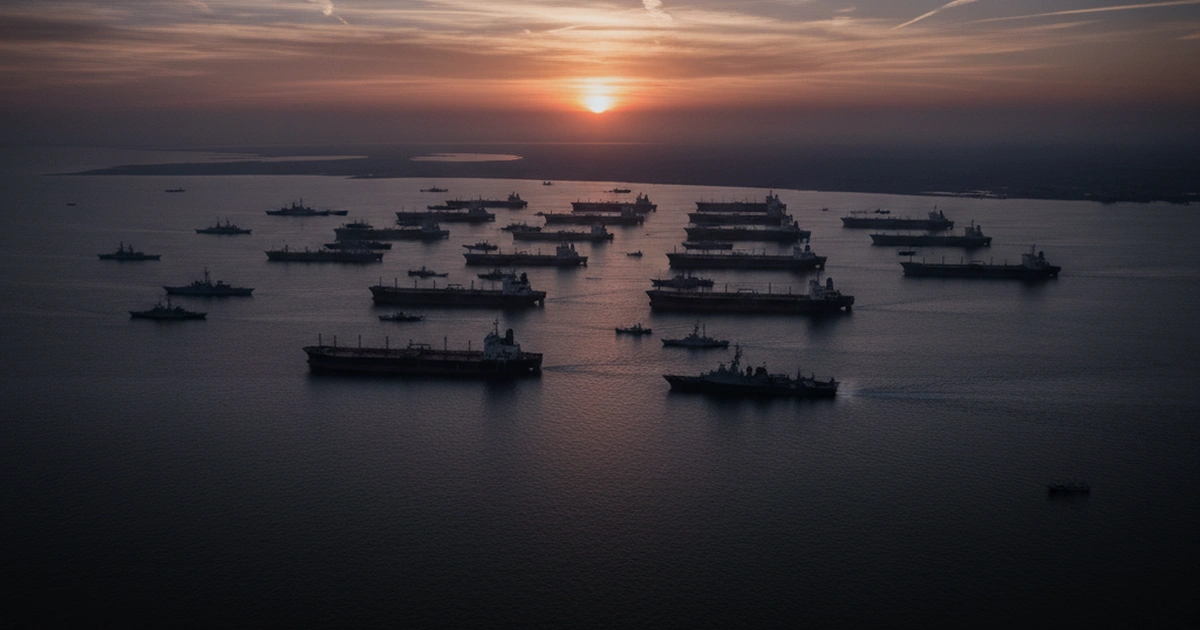
The naval blockade has become Trump’s primary leverage tool against Iran. Under 100 ships have passed through the Strait of Hormuz since early March, down from 90 per day before the conflict. Gulf aluminum shipments remain stuck as the blockade strains global supply chains.
Trump’s strategy creates a forced choice for Iran. The blockade costs Tehran an estimated $2.4 billion per week in lost oil revenue. Yet lifting it removes the US military’s primary tool for preventing Iranian naval operations in the Persian Gulf.
Iran’s Revolutionary Guard has sidelined President Masoud Pezeshkian as military hardliners expand their grip on policy. The Guard controls Iran’s naval forces and has repeatedly threatened to close the Strait entirely if the blockade continues.
The Pentagon boarded a sanctioned oil tanker “without incident” in the Indian Ocean, demonstrating continued enforcement despite the ceasefire. The operation showed US forces remain active in intercepting Iranian oil shipments outside the Persian Gulf.
The Economic Endurance Test
Energy experts compare the current supply shock to the 1973 oil embargo and the 1979 Iranian Revolution. Unlike previous crises, this disruption combines active military conflict with a deliberate naval blockade designed to be permanent until Iran capitulates.

Europe faces particular pressure as EU officials eye options for jet fuel shortages. The UK’s energy secretary declared the Iran war shows “the era of fossil fuel security is over,” pushing accelerated renewable energy development.
The crisis tests Iran’s strategy of economic endurance against US pressure. Iranian analysts describe Tehran’s calculation that prolonged economic pain will eventually force global pressure on Washington to end the blockade.
Iran’s domestic economy faces mounting strain. Mass redundancies from the war with the US and Israel have created widespread unemployment as international sanctions combine with military costs to devastate the Iranian economy.
The 48-Hour Gamble
Trump’s indefinite extension breaks his previous pattern of short-term renewals. The president’s shifting statements about war duration have moved from promises of quick resolution to open-ended commitment.
The attacks on commercial shipping hours after the ceasefire announcement signal Iran’s willingness to escalate despite the truce. The timing suggests coordination between Iranian naval forces and political leadership to demonstrate continued capability.
Pakistan’s mediation effort faces growing skepticism from both sides. Citizens watch for gains at home as Islamabad invests diplomatic capital in peace talks that may not produce results.
Iran’s leadership survived US-Israeli bombardment but faces a new challenge in peace negotiations. The survival of key military commanders gives hardliners confidence to reject US terms, while economic pressure creates incentives for compromise.
The blockade has transformed from a tactical tool into a strategic commitment. Trump cannot lift it without appearing to reward Iranian aggression. Iran cannot accept permanent restrictions on its most valuable export route.
Neither side has found an exit that preserves face while ending the crisis. The ceasefire buys time that may only deepen the contradiction.