Israel Kills 12 in Gaza as Trump Extends Lebanon Ceasefire
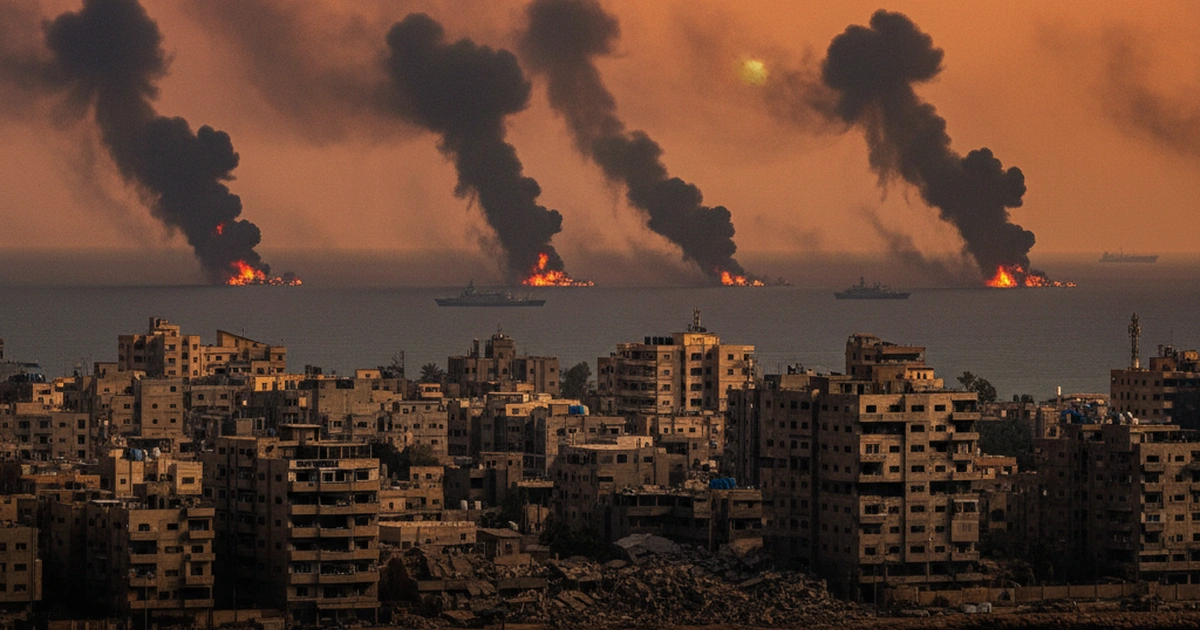
- Israeli airstrikes killed at least 12 civilians in Gaza on April 24-25 while ceasefire talks continued
- Trump extended the Israel-Hezbollah ceasefire by three weeks on April 23, but Hezbollah called it “meaningless”
- Israel issued forced evacuation orders for seven towns in southern Lebanon beyond its declared buffer zone
Israeli airstrikes killed at least 12 civilians in Gaza as President Trump extended the Israel-Hezbollah ceasefire by three weeks. The strikes occurred while ceasefire negotiations continued on multiple fronts, highlighting the fragmented nature of Middle East peace efforts.
Hezbollah dismissed Trump’s ceasefire extension as “meaningless,” citing continued Israeli military activity. Israel simultaneously issued forced evacuation orders for seven towns in southern Lebanon beyond its self-declared buffer zone.
The Gaza Strikes
The Israeli airstrikes in Gaza killed at least 12 civilians between April 24-25 as separate ceasefire talks with Hamas continued. Israel denied any ceasefire breach, citing ongoing Hamas activity in the territory.
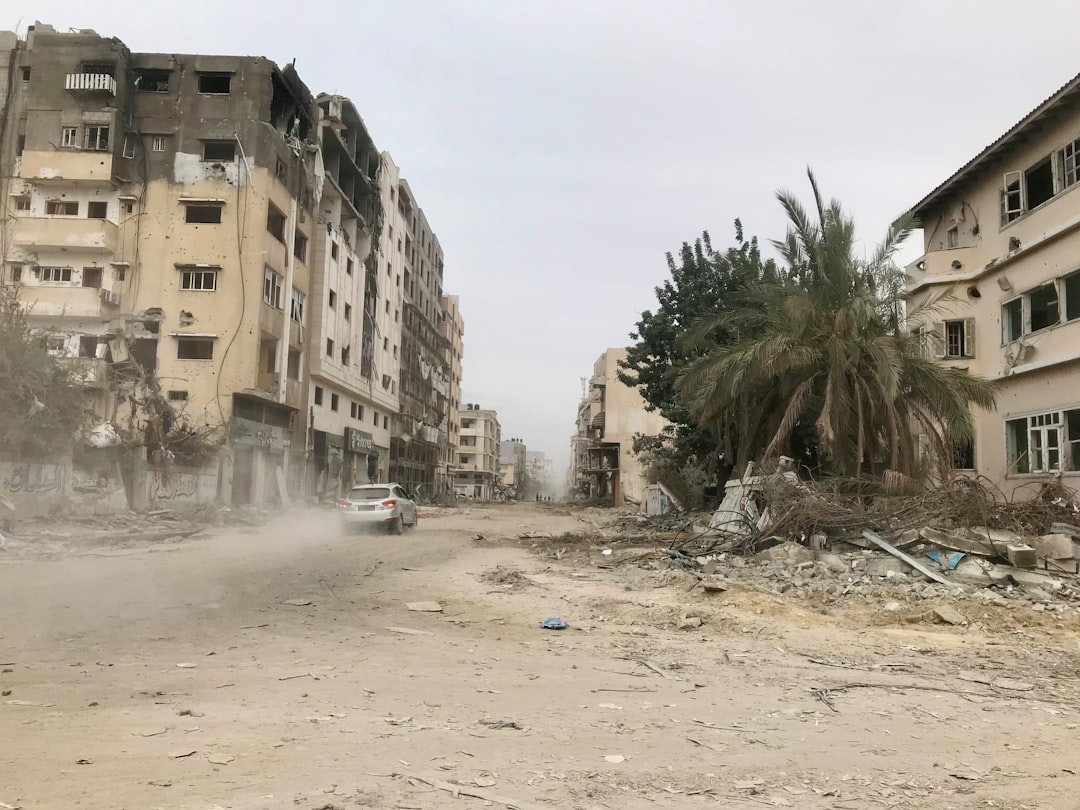
The strikes proceeded independently of the Lebanon ceasefire framework. Israel maintained that Gaza operations remained separate from its northern border arrangements with Hezbollah.
Hamas has not responded publicly to the civilian casualties or Israel’s justification for the strikes.
The Ceasefire That Isn’t
Trump’s three-week extension of the Israel-Hezbollah ceasefire masks deepening violations on both sides. Al Jazeera confirmed Israel was attacking southern Lebanon despite the formal truce.
The evacuation orders for seven Lebanese towns escalate pressure on Hezbollah beyond Israel’s declared buffer zone. The orders effectively expand Israeli control into sovereign Lebanese territory while maintaining the fiction of a ceasefire.
Hezbollah’s rejection of the extension as “meaningless” signals the group views the arrangement as providing Israel cover for continued operations. The group has not announced retaliatory measures.
The Diplomatic Collapse
The Lebanon ceasefire’s fragility coincided with the complete breakdown of US-Iran diplomacy. Trump canceled the planned Witkoff-Kushner trip to Islamabad on April 25, citing “infighting” in Iran and Foreign Minister Araghchi’s departure from the city.
Trump’s comment that Iran can “call” if they want to talk signals a pivot from face-to-face diplomacy to phone diplomacy. Iran’s Foreign Ministry confirmed “no meeting is planned,” effectively ending the Islamabad track.
The diplomatic collapse leaves military pressure as the primary tool. A third US aircraft carrier arrived near Iran, creating an unprecedented three-carrier naval concentration. Iran responded by reimposing “strict control” over the Strait of Hormuz.
The Lebanon ceasefire now serves as the only functioning diplomatic mechanism in a region where every other negotiation has collapsed. That framework is holding by the thinnest of threads.