Iran Offers to Reopen Hormuz Without Nuclear Deal, Trump Weighs Response
- Iran submitted a “Hormuz-first” proposal through Pakistani mediators offering to reopen the strait and end the war with nuclear negotiations deferred
- Trump held a Situation Room meeting to review the proposal, which analysts assess he is unlikely to accept
- Iranian FM Araghchi met Putin in St. Petersburg, securing Russian pledges to maintain strategic ties with Iran
Iran delivered a new diplomatic proposal to the United States on April 27: reopen the Strait of Hormuz and end the war now, with nuclear negotiations to follow separately. The offer represents a major shift in Tehran’s negotiating posture, decoupling its strongest economic leverage from the nuclear file.
Trump held a Situation Room meeting with senior national security officials to review Iran’s proposal. The timing coincided with Iranian Foreign Minister Abbas Araghchi’s meeting with Vladimir Putin in St. Petersburg, where Russia pledged to maintain its strategic relationship with Iran.
The Proposal
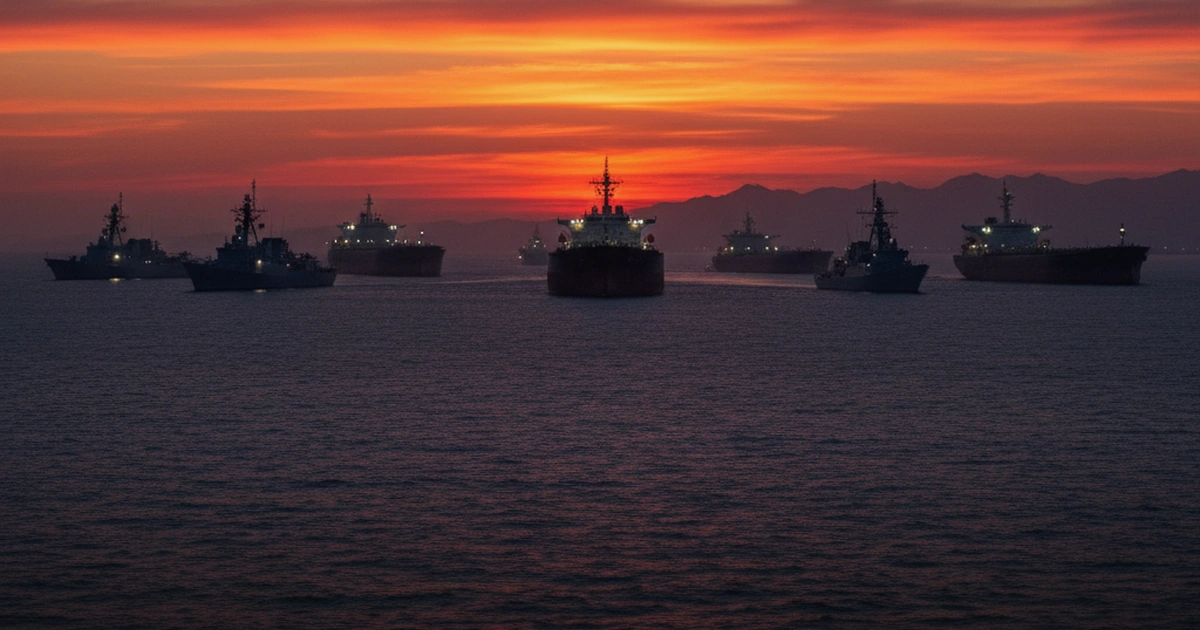
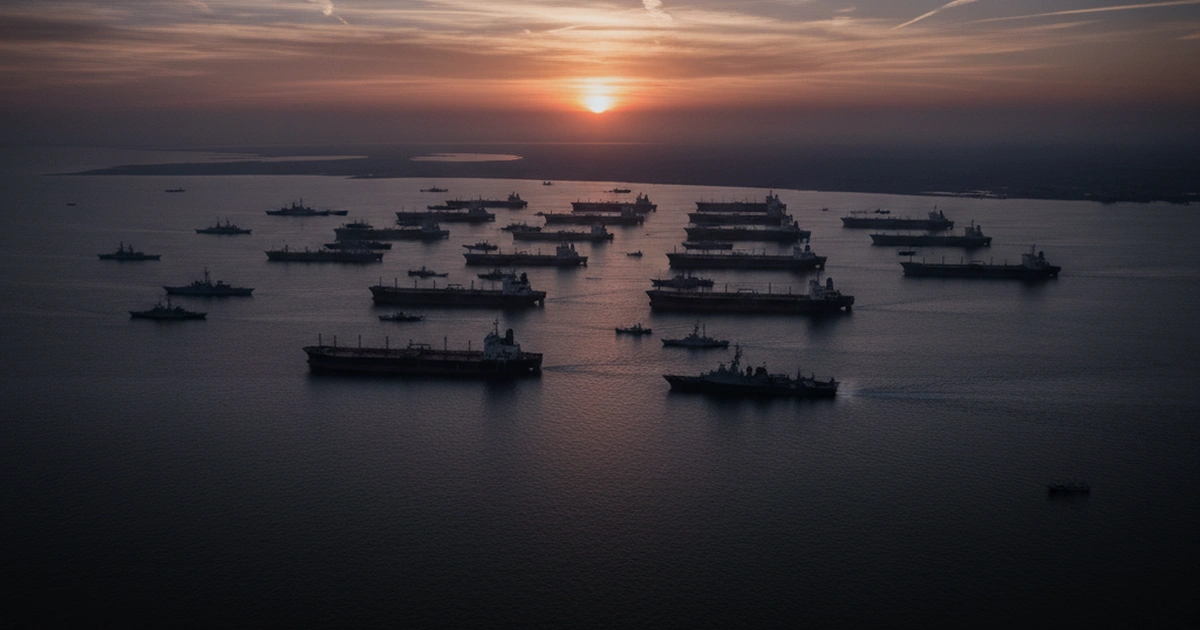
Iran’s “Hormuz-first” proposal inverts the sequencing preference the US has maintained throughout the conflict. Multiple outlets confirmed Iran passed the offer through Pakistani mediators, requiring the US to lift its naval blockade of Iranian ports before Hormuz reopens.
The proposal sets aside nuclear negotiations entirely. For weeks, Iran had insisted nuclear rights were non-negotiable. Now Tehran offers to defer the nuclear file to separate talks at an unspecified later date.
Analysts assessed Trump is unlikely to accept, as he has consistently demanded nuclear program resolution as part of any comprehensive deal. Trump previously stated Iran “offered a lot, but not enough” when canceling the Islamabad talks on April 25.
The Putin Meeting
Araghchi briefed Putin on the “imposed war” and the Hormuz situation during their St. Petersburg meeting. Putin pledged to “maintain” Russia’s strategic relationship with Iran and said Moscow is “ready to do everything in its power to achieve peace in the Middle East.”

Araghchi blamed stalled progress on Washington’s “destructive habits.” The timing signaled Iran’s diplomatic strategy: demonstrate international backing before the US responds.
The Iranian foreign minister’s travel pattern created a complicated diplomatic sequence. Araghchi briefly returned to Pakistan after the Islamabad cancellation, then departed to Muscat, Oman, before arriving in Moscow.
The 48-Hour Test
Iran’s proposal makes an agreement geometrically simpler by removing nuclear complications. It also means Iran is playing its strongest single leverage card independently, without nuclear concessions attached.
Brent crude remained near $107-108 per barrel as Iran doubled down on Hormuz closure language. Iran accused the US of “undermining trust,” citing continued US naval operations during the ceasefire.
If Trump rejects the offer, the ceasefire extension faces its most serious test. The current extension expires within 48-72 hours.
Iran just separated its economic weapon from its nuclear program. The next two days determine if that calculation pays off.