Sanctioned Vessels Slip Through US Strait of Hormuz Blockade
- Iranian and Russian-linked tankers transit the Strait of Hormuz despite US naval interdiction targeting sanctioned vessels
- The shadow fleet exploits third-country flags and parallel ownership structures to evade the 31-ship US blockade campaign
- Brent crude hit $107.58 as Bloomberg called it a “Hormuz double blockade” with both sides restricting passage
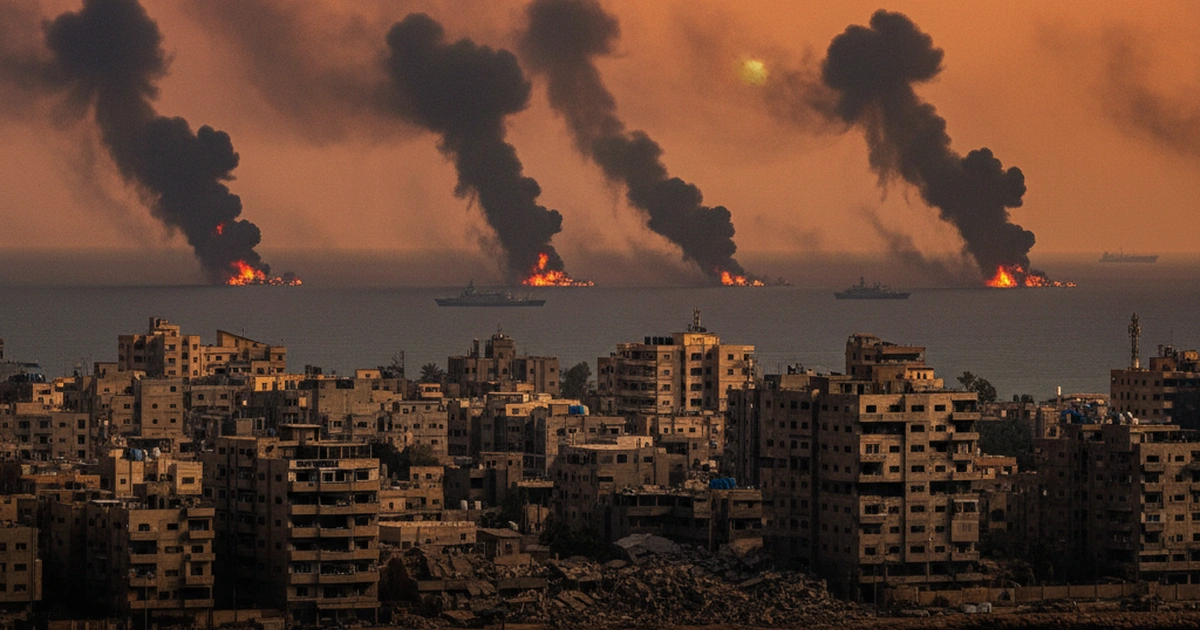
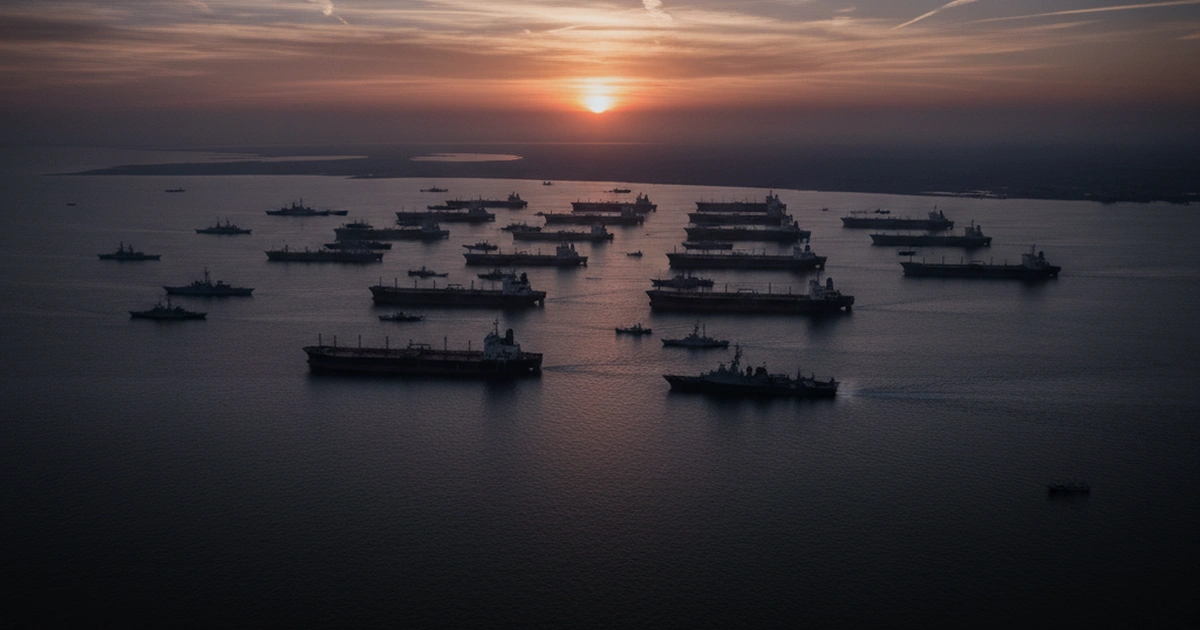
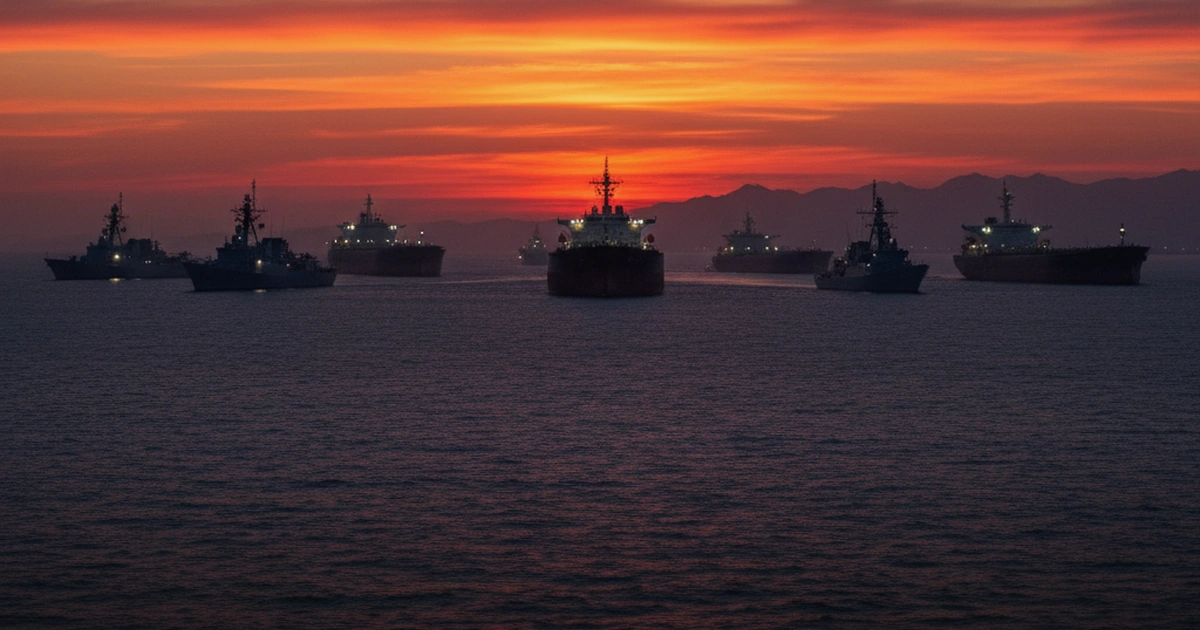
Sanctioned Iranian and Russian-affiliated vessels continue transiting the Strait of Hormuz despite a US naval campaign that has turned back 31 ships since April 13. Shipping intelligence reports document the shadow fleet using third-country flags and alternative ownership structures to slip past US interdiction efforts.
The persistence of sanctioned traffic helped drive Brent crude to $107.58 on April 26, a 2.14% jump. Bloomberg described the situation as a “Hormuz double blockade” with the US Navy blocking Iranian ports while Iran controls Hormuz passage. US officials maintain the interdiction campaign protects international maritime law by enforcing sanctions, while Iran defends its actions as necessary control of sovereign territorial waters.
The Shadow Fleet Survives
The US interdiction campaign targets Iranian-flagged and Iran-linked vessels. But tankers operating outside Western shipping registries continue moving through alternative routes. These vessels exploit parallel ownership structures that obscure their true controllers.
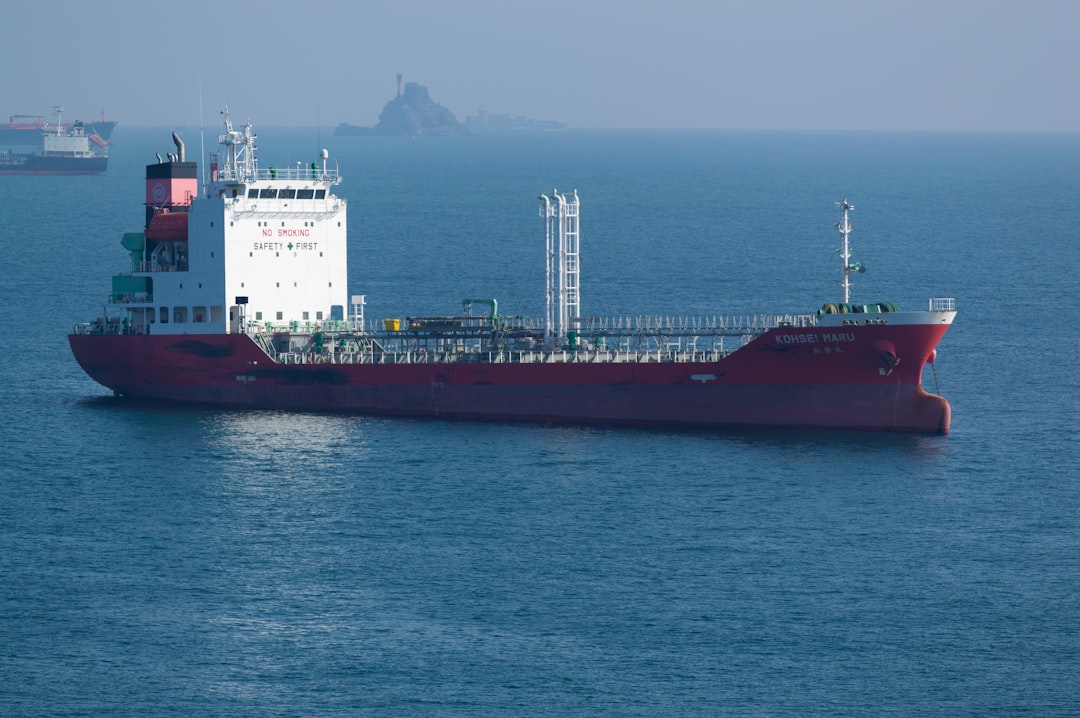
Vessels flagged through third countries avoid the direct targeting that Iranian-flagged ships face. The shadow fleet — tankers that operate beyond traditional Western oversight — maintains partial operations despite the naval pressure.
Iran reimposed “strict control” over Hormuz on April 24, citing the US blockade as justification. Iranian officials describe their restrictions as proportional responses to what they characterize as illegal interference in international waters. Approximately 8 ships transited on April 22, down from over 100 per day before the war.
The Energy Math
The IEA Director called this “the biggest energy security threat in history” with 13 million barrels per day disrupted. Crude flows through Hormuz collapsed from approximately 20 million barrels per day pre-war to 2 million barrels per day.
Baker Hughes projects Hormuz will not fully reopen until the second half of 2026. The Trump administration extended the Jones Act waiver by 90 days to increase domestic energy supply flow. The waiver allows foreign vessels to carry oil along US coastlines, bypassing restrictions that normally limit coastal trade to US-flagged ships.
US crude reached $96.36 per barrel as markets absorbed the reality of a prolonged blockade.
What Breaks First
Iran’s ceasefire proposal — Hormuz reopening in exchange for a US blockade lift — remains under White House review. Pakistan-mediated talks stalled after Trump canceled the Witkoff-Kushner Islamabad trip on April 25.
Iranian officials frame their offer as a reasonable de-escalation that restores normal commercial traffic while preserving their territorial sovereignty. US policymakers view the proposal through the lens of sanctions enforcement and deterring future Iranian regional actions.
The shadow fleet’s continued operations prove interdiction alone cannot seal Hormuz. As long as sanctioned vessels find alternative routes, energy markets will price in persistent supply risk.
Neither side can fully control the strait. Both can make it too expensive to use.