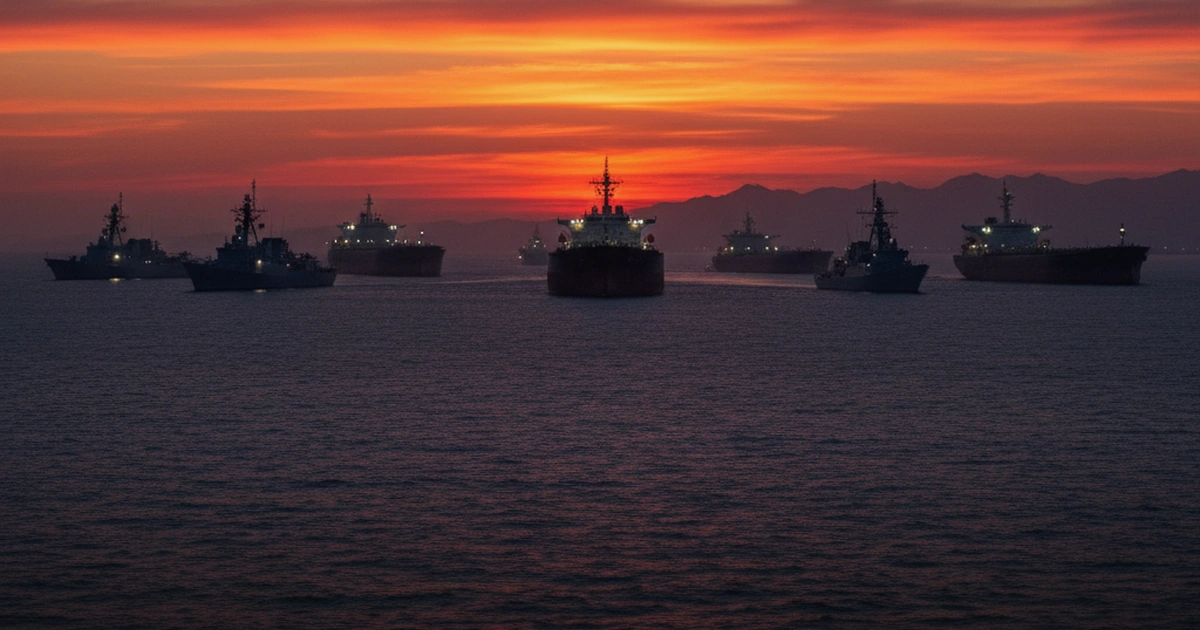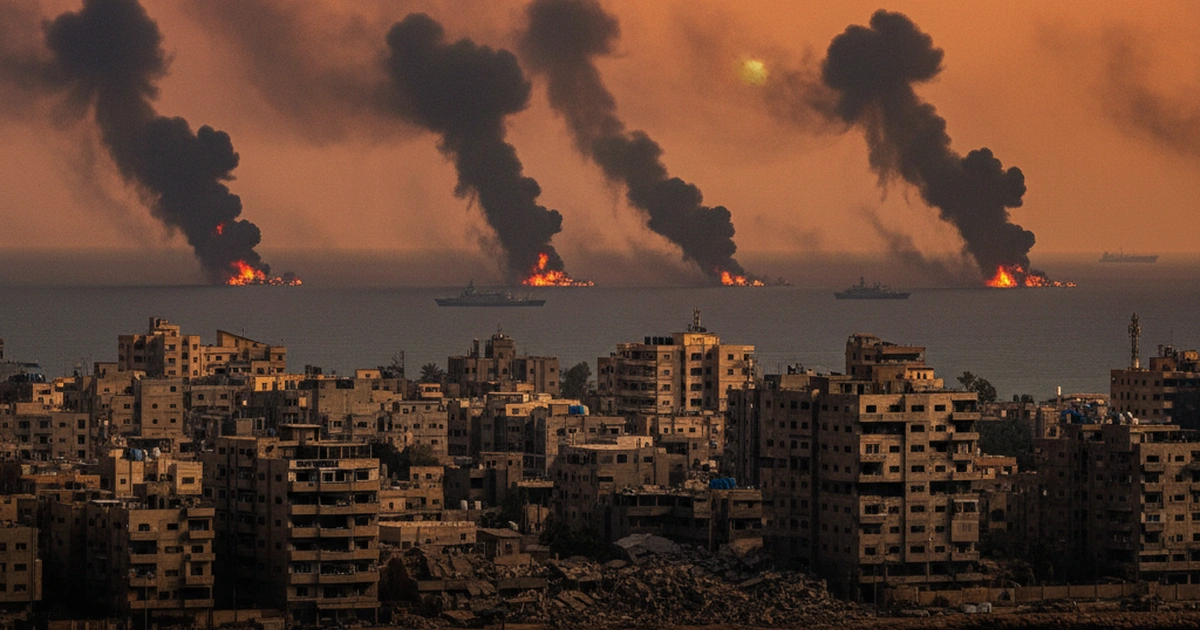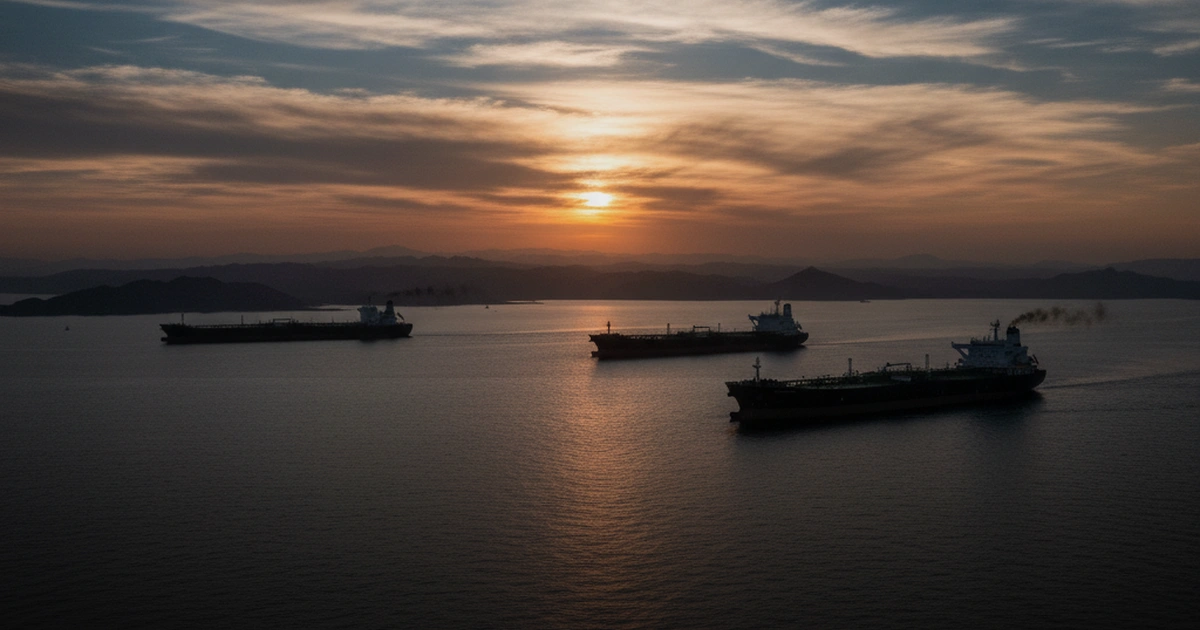
Iran Opens Strait, Oil Prices Crash as Trump Maintains Blockade
- Iran announced the Strait of Hormuz is open for commercial vessels, triggering a 12% plunge in oil prices
- Trump said the US blockade will remain in full force until a peace deal is reached
- A 10-day Israel-Lebanon ceasefire began as diplomatic momentum builds
Iran announced the Strait of Hormuz open for commercial vessels. Oil prices crashed 12% within hours. Trump killed the rally. The US blockade stays until Iran signs a peace deal, the president said.
Two governments now claim control of the world’s most critical oil chokepoint. Iran’s foreign ministry declared the strait open Tuesday as the Israel-Lebanon ceasefire took effect. Trump countered within hours. The blockade continues until Iran reaches a comprehensive peace deal, he said.
Commercial vessels face conflicting orders. Two tankers reached the gulf this week despite the US blockade, according to reports from the Haaretz. Iran claims protection for ships in its territorial waters. America enforces the blockade in international waters.
Pakistan emerged as diplomatic broker. Officials worked to arrange direct US-Iran talks as no date has been set for negotiations. Trump called the war “close to over” for the first time since fighting began.
Iran’s Opening Gambit
Iran’s foreign ministry declared the strait open for commercial vessels Tuesday morning. The announcement came precisely as the Lebanon ceasefire took effect. Iranian officials called the US blockade “illegal and ineffective.”
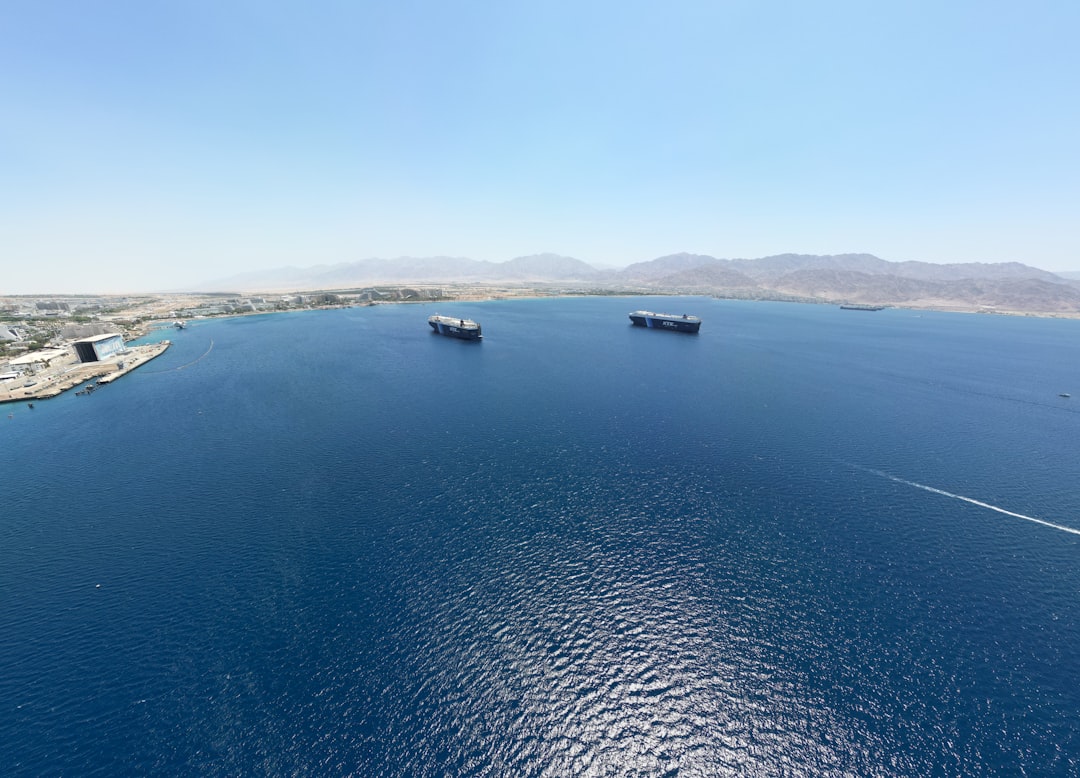
Oil traders reacted instantly. Prices dropped 12% in the largest single-day decline since fighting began. European oil majors outshined US rivals with trading profits from the volatility.
Iran framed the move as proof that “Iran cannot be besieged,” the foreign ministry said. The declaration marked Tehran’s first major concession since hostilities began. Iranian officials calculated that oil at $85 per barrel costs Iran roughly $2 billion per week in lost revenue.
Trump responded within hours. The blockade would remain “in full force” until Iran signed a comprehensive peace deal. Defense Secretary Pete Hegseth warned that the US “will use force” if Iran violates blockade terms.
Iran’s gambit tests whether market pressure can crack US resolve faster than Tehran’s treasury empties. At current production capacity, every day of blockade costs Iran $285 million. The announcement created maximum diplomatic pressure on Washington precisely when ceasefire momentum was building.
The Blockade Paradox
Iran claims the strait is open. America enforces the blockade. Both cannot be true. This contradiction created immediate market confusion and exposed the complexity of naval enforcement in practice.

A second ship reached the gulf through the strait this week. Ship tracking data shows partial flows resuming despite the US blockade. Commercial vessels can enter Iranian territorial waters and claim protection under Tehran’s declaration.
The US Navy patrols roughly 21 miles of the strait’s narrowest point. Iran controls both shores through territorial waters. The enforcement gap creates strategic uncertainty for shipping companies and oil markets.
France’s finance minister captured European concerns. Hormuz “must open but not at any price,” he said. European allies want lower energy costs but fear rewarding Iranian aggression.
The UN reported the dispute is disrupting global food supply. Fertilizer shipments face particular delays. Food security concerns mount across developing nations that depend on gulf supply chains.
The enforcement paradox forces a binary choice. Either the US escalates military pressure to seal the blockade completely, or accepts partial Iranian control of shipping flows. The current half-measure satisfies neither strategic objective.
The Diplomatic Window
The Lebanon ceasefire opened the first sustained peace window in seven weeks. Netanyahu agreed to a 10-day ceasefire after intense US pressure. Israeli opposition leaders called the decision a “betrayal.”
Pakistan stepped into the diplomatic vacuum as broker. Officials worked to arrange direct US-Iran talks while providing security escorts for Iranian negotiators. The escorts reflect concerns about potential Israeli attacks on diplomatic missions.
Trump delivered his most optimistic war assessment yet. The Iran conflict is “close to over” and should be “ending pretty soon.” The president also revealed that Israel was “prohibited” by the US from bombing Lebanon during ceasefire negotiations.
Congressional opposition continues building. A House resolution to end Trump’s war with Iran failed by one vote, the closest margin yet. The Senate backed Trump’s military campaign, but record numbers of Democratic senators voted to block arms sales to Israel.
Macron and Starmer held an international summit on reopening the strait. European pressure for a negotiated solution is mounting. The diplomatic calendar accelerates with multiple parallel tracks emerging.
The window won’t stay open indefinitely. Ceasefires typically collapse within 14 days without concrete progress. Iran’s strait gambit and Trump’s blockade response create a forced choice: negotiate or escalate.