US Navy Seizes Iranian Cargo Ship as Strait of Hormuz Closure Strands Tankers
- US forces seized the Iranian cargo ship MV Tuska after a six-hour standoff near the Strait of Hormuz
- Iran closed the strait in response, trapping commercial vessels and halting global shipping traffic
- Oil prices spiked as the seizure cast doubt on fragile ceasefire talks scheduled for Pakistan
The 52nd day of the US-Iran conflict brought the war’s most direct confrontation in the world’s most critical oil chokepoint. President Trump announced that US forces “struck and seized” an Iranian vessel attempting to breach the American blockade. Iran responded by shutting the Strait of Hormuz entirely, effectively paralyzing 20% of global oil transit.
The escalation shattered prospects for a second round of peace talks. Iran’s Foreign Ministry said there was “no plan for a second round of negotiations with the US” following what Tehran called a ceasefire violation.
The Six-Hour Standoff
The confrontation began when US naval forces intercepted the MV Tuska attempting to transit the Strait of Hormuz. Trump said US forces seized the Iranian vessel after it attempted to breach the blockade.
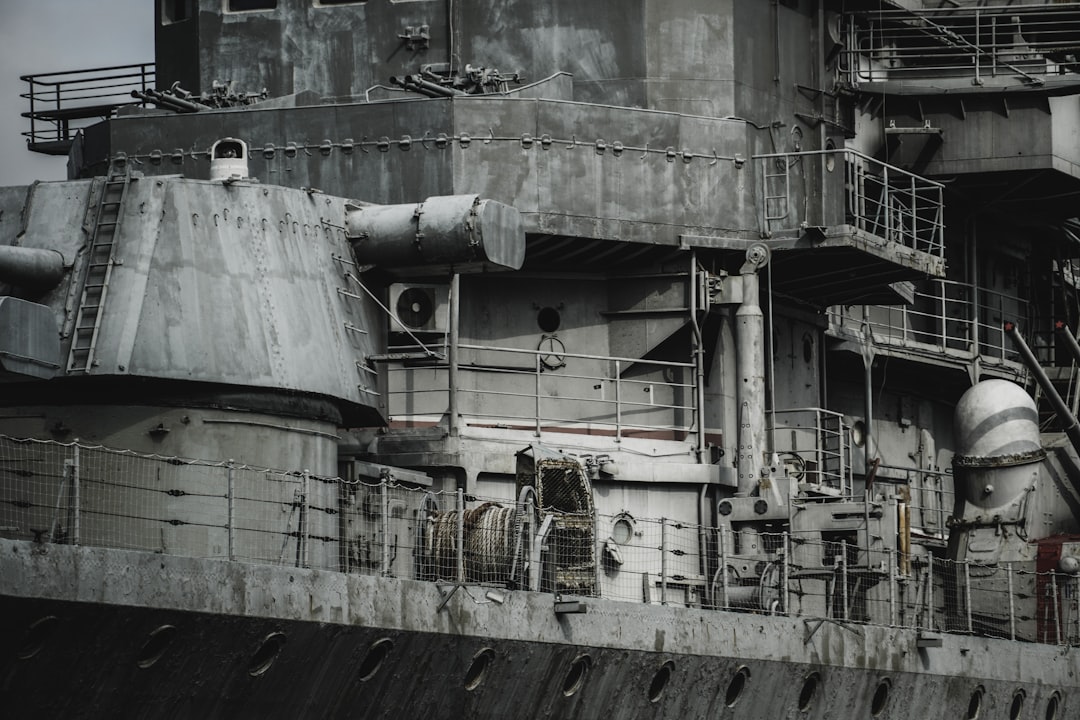
The Iranian vessel was attempting to break the blockade of Iranian ports, according to US officials. The seizure followed a six-hour standoff between US naval forces and the cargo ship.
Iran’s military called the action a “violation of the truce” and vowed a swift response. Tehran claimed US forces attacked the vessel unprovoked, while Washington maintained the ship was attempting to run the blockade.
Trump warned “NO MORE MR. NICE GUY” but said talks with Iran remained ongoing. The president announced a US delegation would travel to Islamabad on Monday for scheduled negotiations.
The Economic Chokepoint
Iran’s closure of the Strait of Hormuz stranded tankers carrying millions of barrels of crude oil. The waterway handles roughly 20% of global petroleum transit.
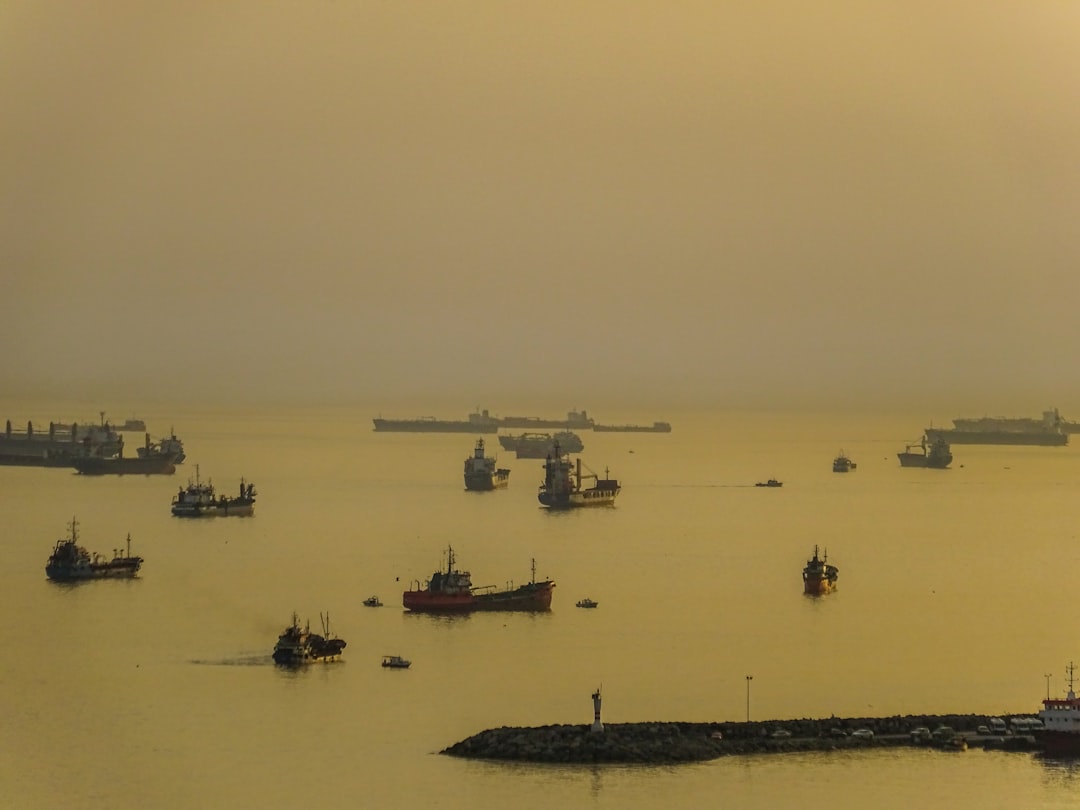
Oil prices jumped following the closure announcement. Markets had already experienced weeks of volatility as the US-Iran conflict disrupted energy supplies.
A senior Iranian politician told the BBC that “Tehran will never cede control of Strait of Hormuz.” The statement came as Iran doubled down on its position that the waterway would remain closed until the US lifts its blockade of Iranian ports.
Multiple ships reported attacks during the confrontation. Distress calls captured tankers under fire, with thousands of sailors now trapped in the shipping lanes.
For the global economy, the math is stark. The Strait of Hormuz closure halts roughly 21 million barrels per day of oil transit. With global consumption at 100 million barrels daily, the shutdown removes one-fifth of supply from world markets instantly.
The Diplomatic Wreckage
The ship seizure cast doubt on fresh ceasefire talks scheduled for Pakistan. Iran’s Foreign Minister said the US action demonstrated Washington was “not serious about pursuing diplomacy.”
China denounced the US move as a “forced interception” of an Iranian cargo ship. Beijing called for restraint from all parties as the confrontation threatened to spiral beyond the current ceasefire framework.
The timing proved particularly damaging for diplomatic efforts. The seizure occurred just days before a planned second round of negotiations in Islamabad, where both sides were expected to discuss terms for a more permanent cessation of hostilities.
Iranian officials said the US had made “excessive demands” that served as barriers to in-person talks. Tehran characterized the ship seizure as proof that Washington was negotiating in bad faith while maintaining military pressure.
The MV Tuska sits in US custody. The strait remains closed.