The Hormuz Blockade Is Hitting the Wrong Economy
- The US naval blockade of Iranian ports targeted Iran’s economy but Gulf aluminum shipments are stuck and the EU faces jet fuel shortages while Iran’s dark fleet continues operating.
- Iran built a decade-long sanctions-evasion infrastructure: ship-to-ship transfers, under-the-radar buyers, and alternative payment systems. Europe built just-in-time supply chains optimized for efficiency, not disruption.
- The supply shock reveals who prepared for economic warfare and who didn’t. The answer isn’t who has the oil.
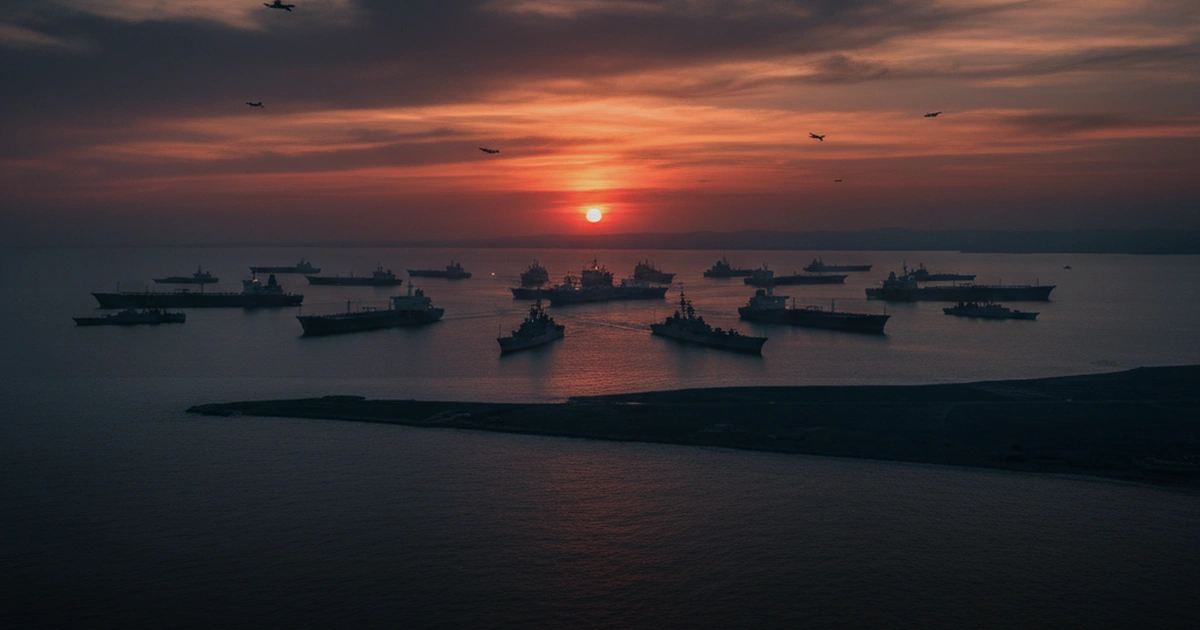
On April 13, 2026, US naval forces blockaded Iranian ports. Trump extended the ceasefire but kept the blockade intact. Economic pressure without kinetic escalation.
Iran built its economy for exactly this pressure. Europe built its economy for stable trade flows.
Iran’s Shock Absorbers
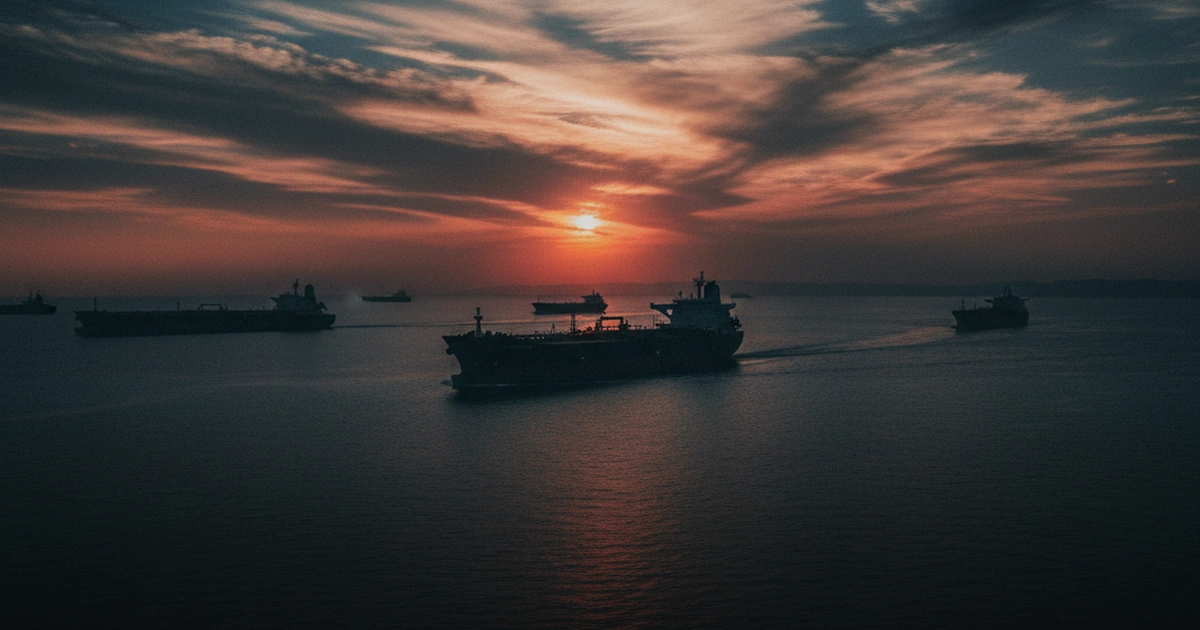
Iran operates extensive sanctions-evasion infrastructure. US forces boarded a sanctioned Iranian tanker in the Indian Ocean on April 21, according to the Pentagon. One tanker. Iran’s dark fleet runs with spoofed transponders, frequent flag changes, and ship-to-ship transfer capabilities that make tracking difficult.

The 2018 maximum pressure campaign forced Tehran to construct a parallel economy. Barter arrangements with major non-Western buyers. Alternative settlement channels. Correspondent banking relationships that route around SWIFT. The network is purpose-built for exactly this scenario.
The war is forcing mass redundancies across Iran. Economic pain is real. Tehran built this resilience specifically for blockade scenarios.
Iran’s negotiating position reflects that posture. Lifting the blockade is the precondition for talks, not the reward for them.
Europe’s Brittle Links
European supply chains optimized for predictable trade flows. Just-in-time delivery. Minimal inventory buffers. Single-source suppliers for critical components.

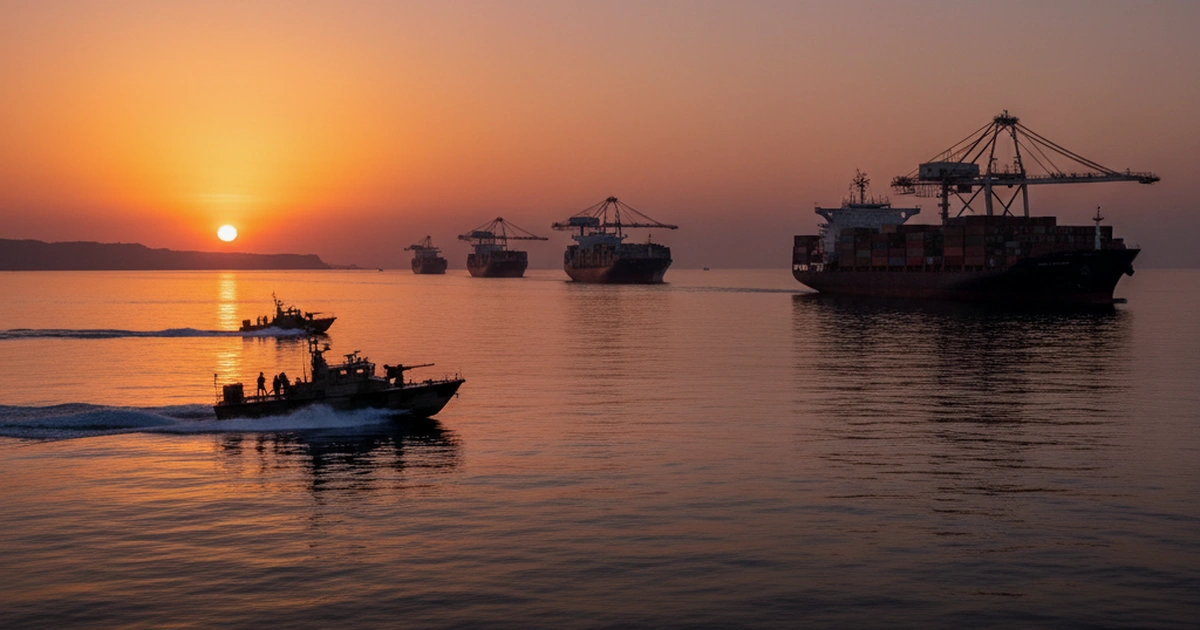
The jet fuel shortage hitting European aviation doesn’t stem from Iranian jet fuel. Gulf refining capacity reaches blocked shipping lanes. Three vessels suffered gunfire in the Strait of Hormuz on April 22 alone.
Insurance rates for Gulf-to-Europe shipping jumped. Many shipping companies stopped taking the risk. European refineries run at reduced capacity while consumers confront shortages.
Gulf aluminum production isn’t targeted by sanctions. But Gulf aluminum reaches blocked shipping routes. European automotive and aerospace production lines adjust schedules around aluminum availability.
The UK energy secretary declared an end to the era of fossil fuel security. European energy policy assumed global supply chains would remain stable.
The Resilience Gap
Iran spent a decade constructing redundancy and alternative pathways, a strategy of economic endurance designed to absorb exactly this pressure. Europe spent the same decade optimizing for efficiency.

Iran’s leadership survived the initial US-Israeli bombardment. The political structure remains intact. The sanctions-evasion infrastructure continues to function. The dark fleet operates with higher costs and longer routes.
European governments are scrambling to respond to supply disruptions they didn’t anticipate through supply chains they can’t quickly reconfigure. Strategic petroleum reserves buffer short-term shocks. They cannot replace supply chain architecture.
European energy policy met economic warfare with trade predictability assumptions.
The Strategic Miscalculation
Economic warfare works when the target economy is more fragile than the implementing economy. The Hormuz blockade inverts that assumption: an economy built for sanctions against economies built for trade.
Iranian oil exports dropped. Government revenues declined. The strategic objective requires that pressure be unbearable for Iran while bearable for everyone else.
European aviation rations fuel. Gulf aluminum producers find alternative buyers. Iranian oil reaches buyers through longer, more expensive routes.
Competing Pressures
Tehran holds that the resistance economy can outlast Western pressure. Washington insists sustained economic pressure will force Iranian concessions. The two sides are measuring different clocks.
European assessments diverge by country and exposure. The UK reads the crisis as proof that fossil fuel security no longer exists. Other EU members are focusing on short-term stabilization through emergency policy measures.
Historical supply shock analysis from 1973, 1979, and 2022 shows both sides of every energy shock absorb pressure. The question is who absorbs it cheapest. Iran sells existing barrels at worse terms through longer routes. Europe hunts for new barrels it never had to source before.
Iran loses margin. Europe loses architecture.
What This Reveals
The Hormuz blockade doesn’t fail because the US Navy lacks capability. Economic pressure requires structural vulnerability in the target.
Iran spent ten years constructing structural invulnerability to exactly this pressure. European supply chains optimized for the wrong scenario. Gulf commodity flows face disruption. Asian manufacturing inputs encounter delays. The blockade disrupts all of them while Iran’s parallel economy functions at reduced but sustainable levels.
Iran’s negotiating condition for talks is lifting the blockade. The US position maintains that economic pressure creates leverage.
Both sides test whether sanctions-evasion infrastructure can outlast European supply chain flexibility.