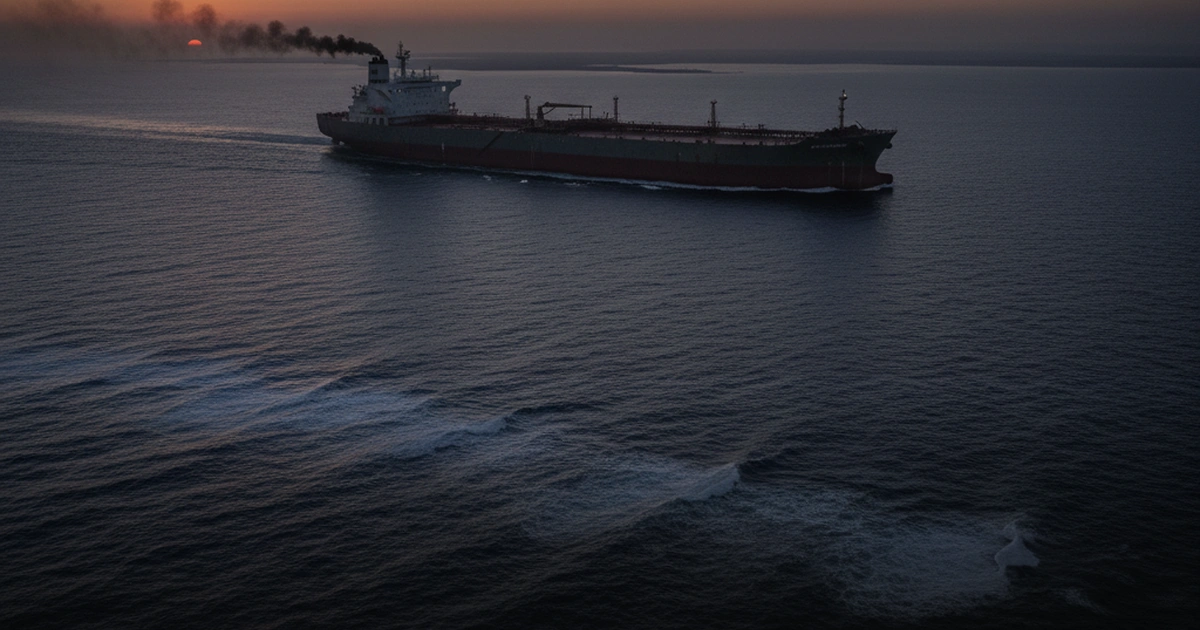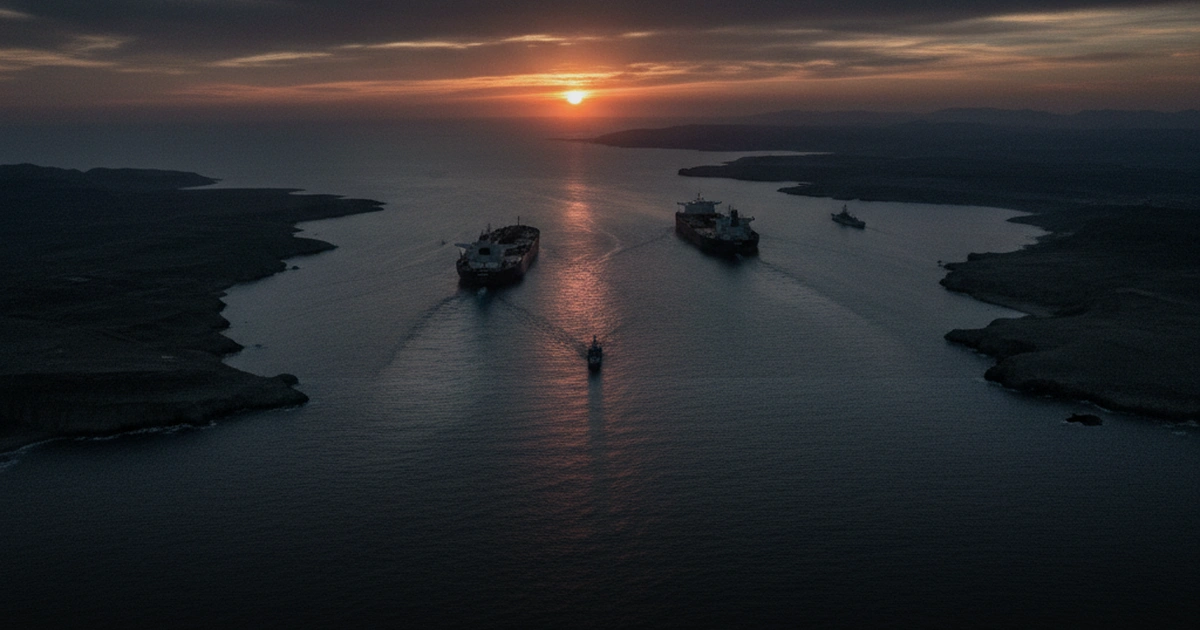
- A drone strike on the Akrotiri airbase in Cyprus triggered a surge in European naval deployments to the Middle East.
- France is redirecting its only aircraft carrier, the Charles de Gaulle, from the Baltic Sea to the Persian Gulf.
- Russia, China, and Iran are conducting live-fire naval exercises inside the Strait of Hormuz during the ongoing conflict.
- Global shipping has plummeted as marine insurers suspend war-risk coverage for the region.
The Akrotiri Trigger
The Hormuz standoff intensified after a Shahed drone struck the runway at the British Royal Air Force base of Akrotiri on March 2, 2026. This marked the first direct attack on a base located on EU territory since the conflict began. Cypriot President Nikos Christodoulides convened an emergency cabinet session in response. French President Emmanuel Macron declared that an attack on Cyprus constitutes an attack on Europe.
Diplomacy stalled for months while European leaders debated collective action. The Akrotiri strike ended that paralysis. Governments that previously hesitated are now committing naval assets to the region. This escalation forces a direct confrontation between international shipping interests and the regional combatants.
The European Naval Response
Macron announced the redeployment of the Charles de Gaulle nuclear carrier strike group on March 9, 2026. The carrier will leave its current NATO mission in the Baltic Sea to head for the Persian Gulf. The strike group includes 20 Rafale fighter jets, two E-2C Hawkeye radar aircraft, and a fleet of eight frigates supported by Greece, Italy, the Netherlands, and Spain.
France describes the mission as a purely defensive escort to reopen commercial traffic once the current combat phase subsides. This deployment signals a departure from the US-led military campaign against Iran. French officials continue to distance themselves from the broader US-Israeli strikes, characterizing them as actions taken outside international law. Germany has refused to contribute naval assets, illustrating a growing fracture within the EU regarding the conflict. The French naval presence aims to provide a neutral corridor for European vessels.
The Strategic Triangle
The People’s Liberation Army Navy 48th escort fleet is already operating in the vicinity. It consists of the Type 052DL destroyer Tangshan, the Type 054A frigate Daqing, and the replenishment ship Taihu. These vessels are currently conducting joint Maritime Security Belt 2026 exercises with Russian and Iranian forces.
China maintains a dual approach. It officially calls for restraint while its navy drills with the Iranian military. Back-channel arrangements reportedly exist to secure safe passage for Chinese-flagged ships and vessels crewed by nationals from Muslim-majority countries. These vessels avoid boarding at Iranian maritime checkpoints, a privilege not extended to other nations. The presence of three permanent UN Security Council members in the same 21-mile-wide waterway creates a volatile tactical environment. This proximity increases the risk of accidental engagement between rival naval powers.
Economic Choke Points
The Strait of Hormuz handles roughly 20 percent of the global oil supply. Traffic has dropped by 90 percent since the outbreak of hostilities. Ten vessels suffered attacks in the first week of the war alone, resulting in seven fatalities. Brent crude has surpassed $100 per barrel and continues to climb.
The insurance market has effectively closed the strait to commercial trade. [SOURCE NEEDED: Lloyd’s of London and the Joint War Committee designated the region as a high-risk war zone], leading most insurers to suspend coverage entirely. Without war-risk insurance, commercial captains cannot legally operate under standard flag-state regulations.
The US is attempting to counter this with the Federal Ship Financing Program, which offers government-backed insurance for specific vessels. This mirrors the 1987 Operation Earnest Will, where the US reflagged Kuwaiti tankers and provided naval escorts. However, the 2026 situation differs significantly: the private insurance market has fully suspended coverage, and a Chinese naval force is now operating inside the strait alongside US vessels.
The military can provide an escort, but it cannot replace a missing insurance policy. The global economy remains vulnerable to these maritime disruptions.