- The Trump administration declared the war in Iran officially terminated as the 60-day War Powers Resolution deadline arrived.
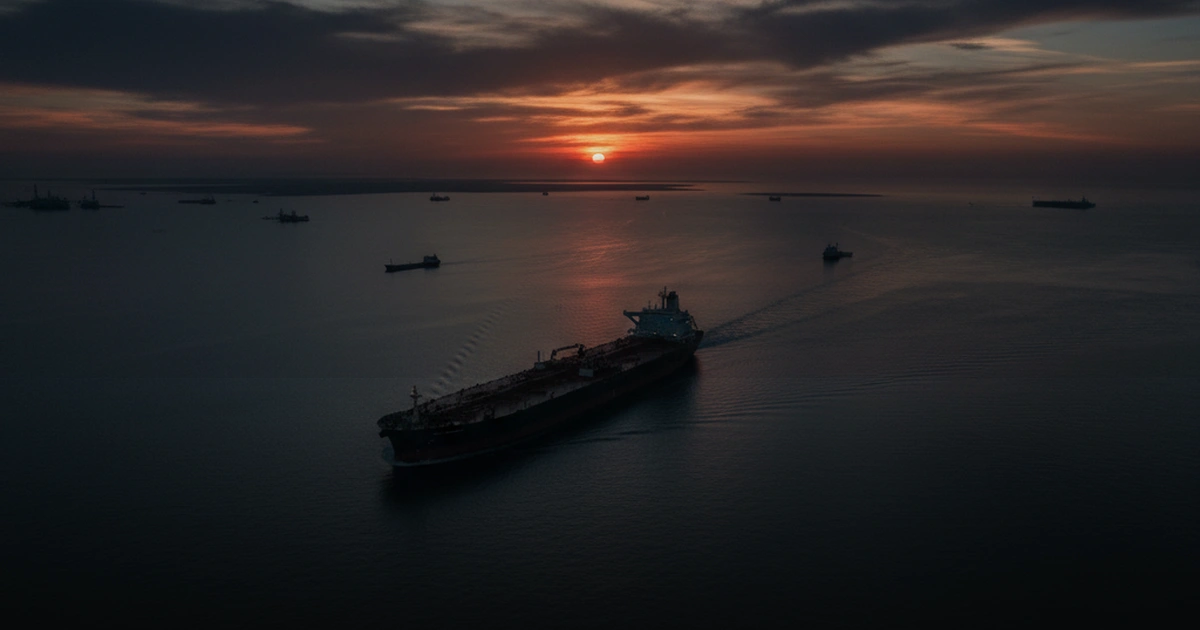
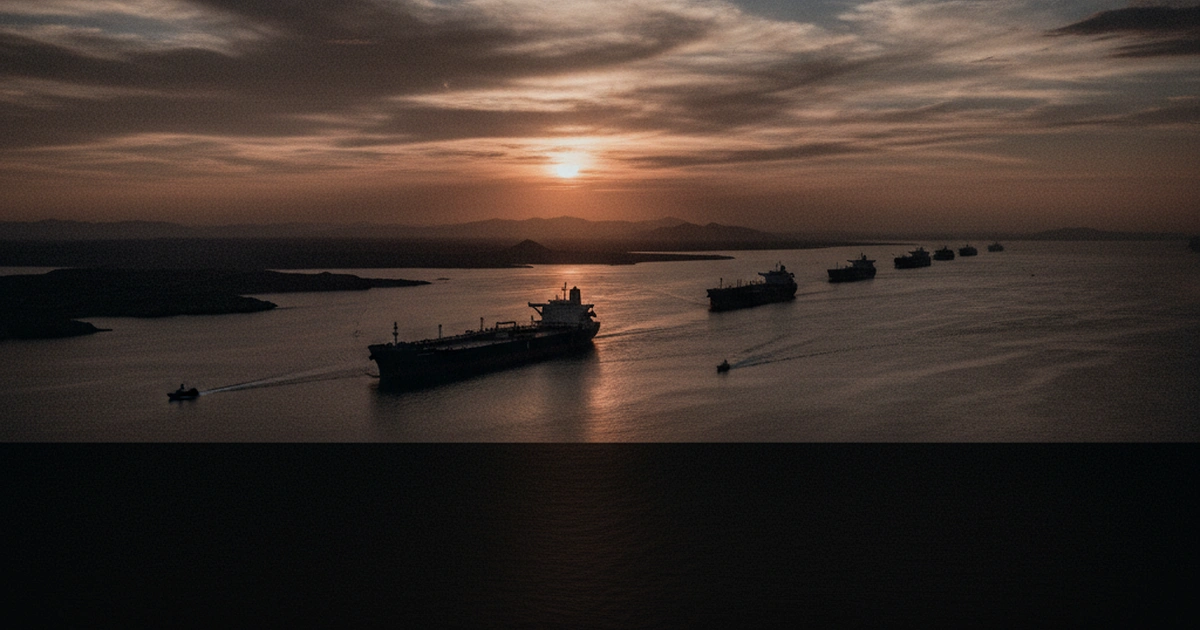
- Commercial shipping transits through the Strait of Hormuz have fallen to their lowest levels since the conflict began.
- The White House claims no further congressional authorization is required because active hostilities have ceased.
The Termination Claim
President Trump declares the Iran war over to bypass the 60-day legal deadline. He informed Congress on May 1 that the military conflict in Iran has terminated. This announcement arrives exactly 60 days into the military operation. The War Powers Resolution mandates that the president must remove troops from hostilities within 60 days unless Congress provides specific authorization.
The administration argues that because the conflict has moved into a new phase, the legal deadline does not apply. This creates a structural loophole. By reclassifying the mission as a non-hostile presence, the White House avoids a mandatory congressional vote. Critics maintain the declaration is a procedural maneuver to circumvent oversight. Despite the claim of termination, a significant military presence remains in the region. This suggests the administration prioritizes executive flexibility over legislative constraints.
Strait of Hormuz
The reality on the water contradicts the diplomatic rhetoric of a quieted front. Data shows that commercial transits through the Strait of Hormuz remain at the lowest levels recorded since the start of Operation Epic Fury. Global supply chains face a “tsunami effect” as developing nations struggle with curtailed imports.
The economic cost is mounting. Gas prices reached 4.39 per gallon in the largest single-day jump since the initial ceasefire announcement. Meanwhile, the Treasury Department has warned shipping firms that paying transit tolls to Iran could result in heavy sanctions, even if those payments are disguised as charitable donations. This creates a trade-off between compliance and operational survival for commercial vessels.
The Next Phase
The administration continues to review new military options as it rejects Tehran’s latest peace proposal. While the White House characterizes the war as over, defense officials acknowledge that the campaign remains a failure unless Tehran’s nuclear infrastructure is dismantled.
The strategy is now a high-stakes standoff. The White House has requested assistance from allies to open the strait while simultaneously attacking those same partners for their perceived lack of support. This creates a diplomatic paradox. The administration demands coalition support while alienating the very partners required to secure the waterway. None of these maneuvers resolve the underlying deadlock. All of them keep the region on a war footing, effectively extending the conflict through administrative redefinition rather than military resolution.