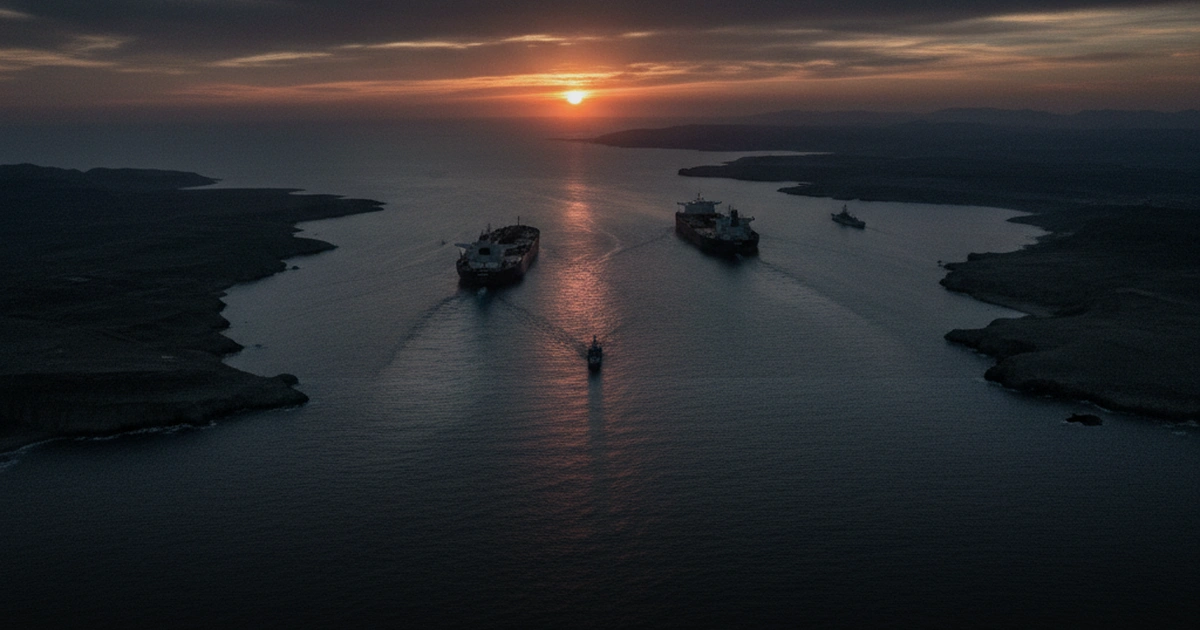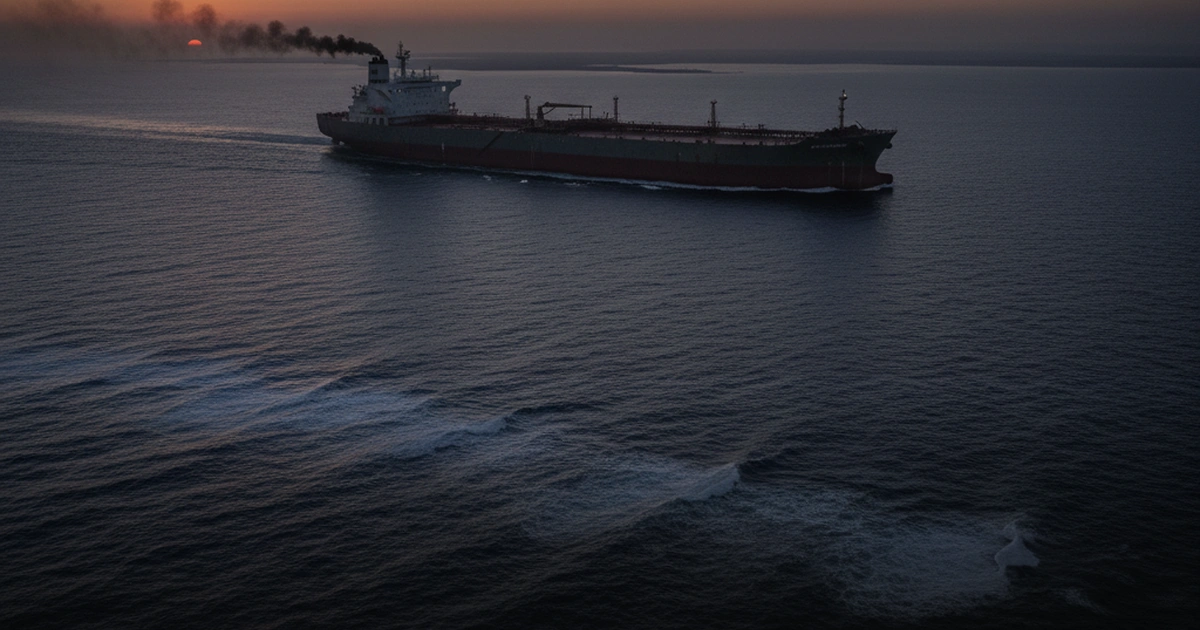
- U.S. forces bombed Kharg Island, the primary export hub for Iranian crude oil.
- Energy Secretary Chris Wright declared the Strait of Hormuz unsafe for commercial shipping.
- The administration acknowledged that the military campaign against Iran would increase domestic energy costs.
The Kharg Island Operation
The U.S. military conducted airstrikes against Kharg Island to degrade Iran’s ability to export crude oil. Assessing the impact of these strikes requires a look at the facility as the key hub for Iran’s oil exports. Officials identified the facility as a tempting military target due to its central role in the Iranian economy.
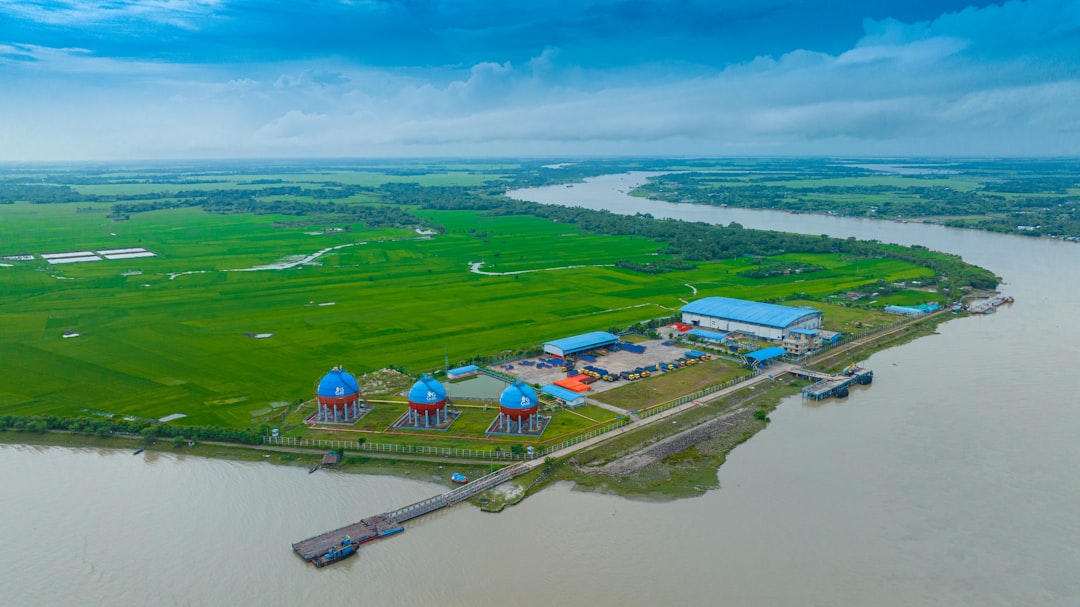
The strikes focused on military infrastructure located on the island. The operation remains a point of contention regarding the extent of damage to oil export capacity. While the facility is integral to global energy flows, its status as a hardened military target has complicated the assault risk assessment for regional observers. Iran’s foreign ministry condemned the strikes as attacks on civilian infrastructure, stating the damage would not alter Iran’s strategic posture [SOURCE NEEDED]. Analysts noted that Iran retains partial export capacity through secondary terminals, meaning the economic pressure may be slower-acting than US planners anticipated [SOURCE NEEDED].
Strategic Energy Constraints
The escalation in the Persian Gulf has shifted the risk profile for global maritime logistics. Energy Secretary Chris Wright stated that it is not safe for vessels to navigate the Strait of Hormuz. This chokepoint handles a significant portion of the world’s daily oil supply. The resulting uncertainty has forced a reevaluation of energy security at the center of the war.
Here is the tradeoff the administration will not name. The U.S. government has confirmed that officials knew energy prices would rise as a direct consequence of these operations. That admission collapses the defense that the energy impact was unforeseen. Washington cannot strike Kharg Island (Iran’s primary oil export hub) and simultaneously hold domestic energy prices stable. Secretary Wright said so under oath. The Kharg strike is not a military action with unintended economic side effects. It is a deliberate policy tradeoff: degrade Iranian oil revenue at the cost of higher domestic energy prices. The forced choice was made. The price is being paid. The question the administration has not answered is how long the American consumer is expected to pay it.
Analysts warn that the intensification of the energy crisis could be sustained as long as the Strait remains high-risk territory. The reliance on a single point of failure at Kharg Island suggests that even limited strikes create outsized global consequences.
The Operational Outlook
The conflict has moved from theoretical threats to active kinetic engagement. The administration now faces the challenge of managing the fallout from a degraded export hub and restricted shipping lanes. Future developments will depend on the stability of the remaining infrastructure and the response of commercial shipping lines. None of those variables are currently predictable. All of them are currently in play.
The strategic vulnerability of the Strait of Hormuz acts as a multiplier for these kinetic events. Because global markets price oil based on the probability of transit, the mere presence of U.S. naval assets in the region creates a risk premium. This premium persists regardless of the actual physical damage sustained by the Kharg Island terminal. Consequently, the U.S. military strategy of containment through infrastructure degradation creates a paradox. It successfully limits Iranian revenue in the short term, but it simultaneously triggers the very market instability that the administration seeks to avoid. The long-term success of this operation depends on whether the U.S. can maintain this pressure without causing a total collapse in regional maritime insurance markets.