- Israel warned it will target any officials involved in choosing the next Supreme Leader.
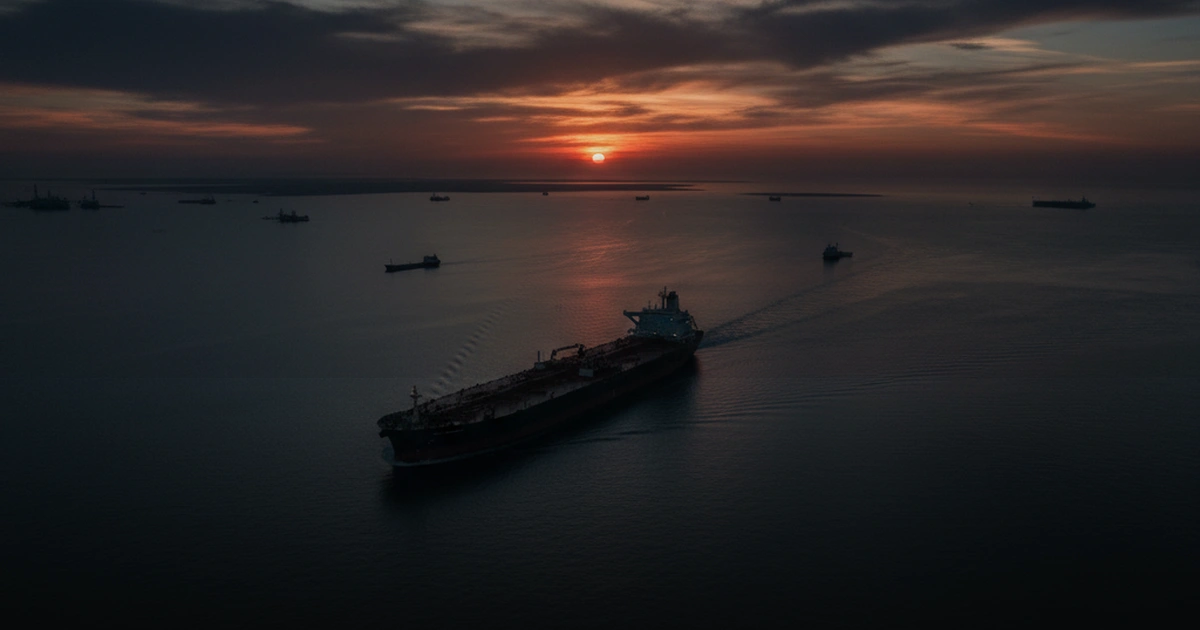
- Iranian oil refineries and storage facilities were struck by US-Israeli forces, sending Brent crude past $119 per barrel.
- The IRGC launched precision missiles at US bases in Bahrain in retaliation for earlier strikes.
The Succession Under Siege
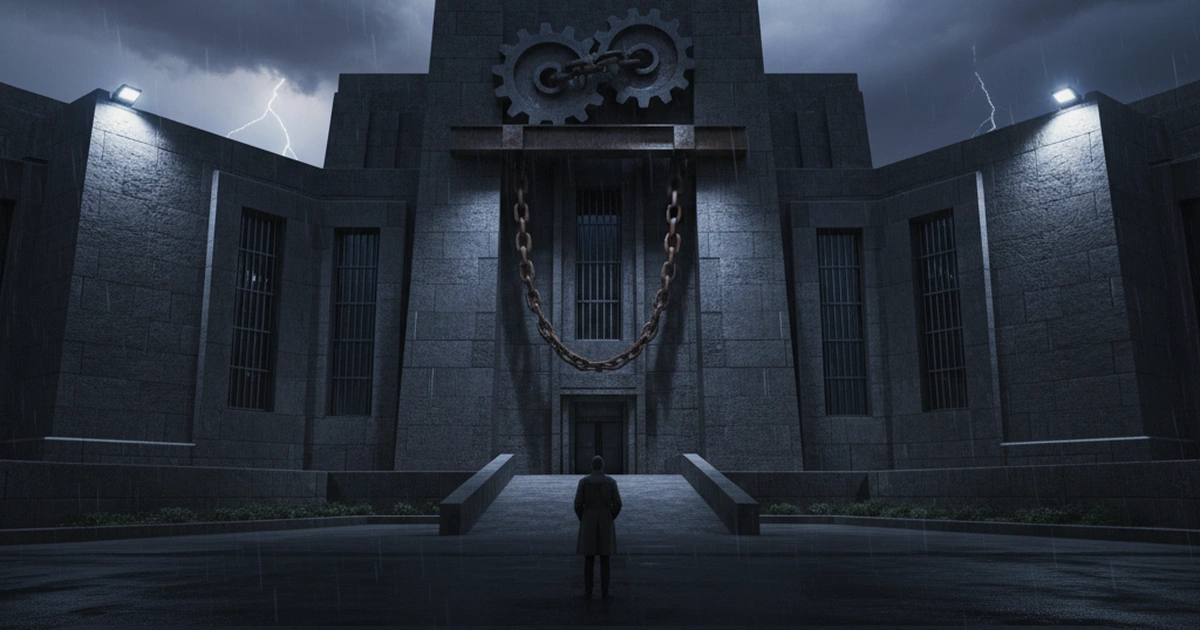
Tehran’s internal power transition is now a primary battlefield. An Assembly of Experts member, Alamolhoda, claims a decision on a successor has been reached, though the name remains withheld due to the threat of IDF strikes. Israel has explicitly stated it will target anyone involved in the selection process, turning a domestic political procedure into a direct security liability.
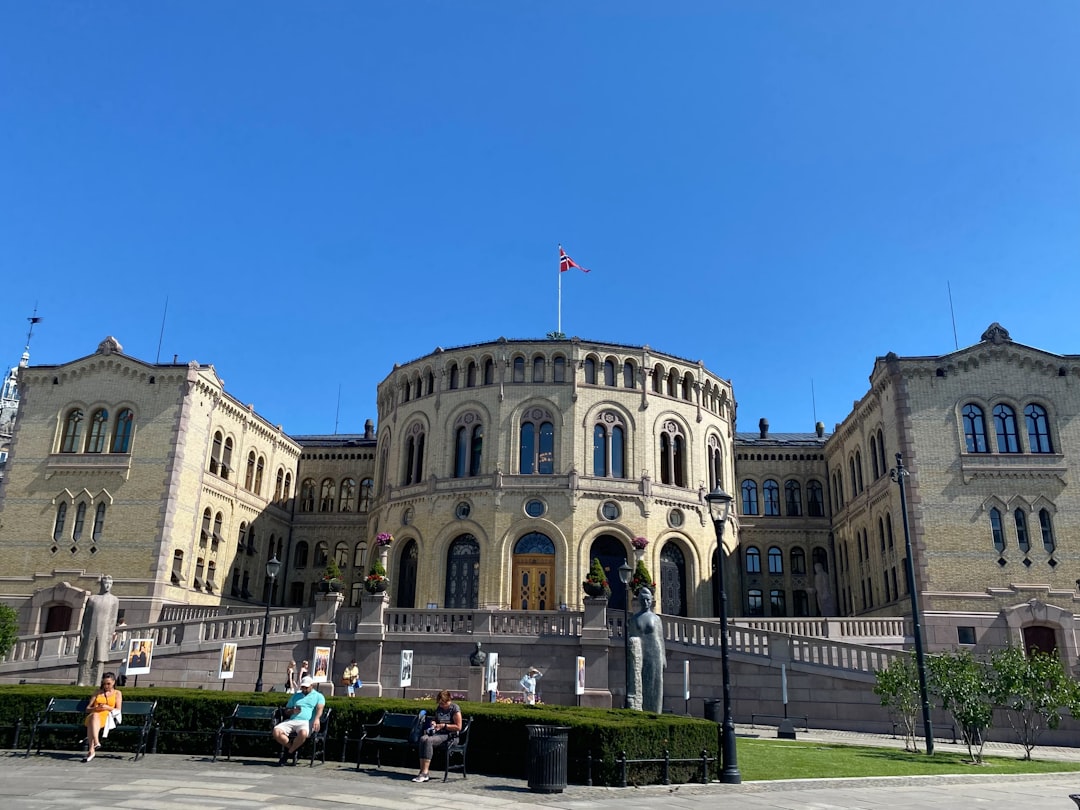
This strategy forces a binary choice upon the Iranian leadership. They must either conduct a clandestine, potentially illegitimate selection process that risks internal collapse, or suspend the transition entirely and invite a power vacuum. By treating the Assembly as a combatant, Israel shifts the conflict from a territorial dispute to an existential struggle for the regime’s continuity. The destruction of the IRGC General Command headquarters further complicates this, as the military apparatus responsible for enforcing the transition now lacks the centralized intelligence to protect its own political architects.
Infrastructure and Economic Shock
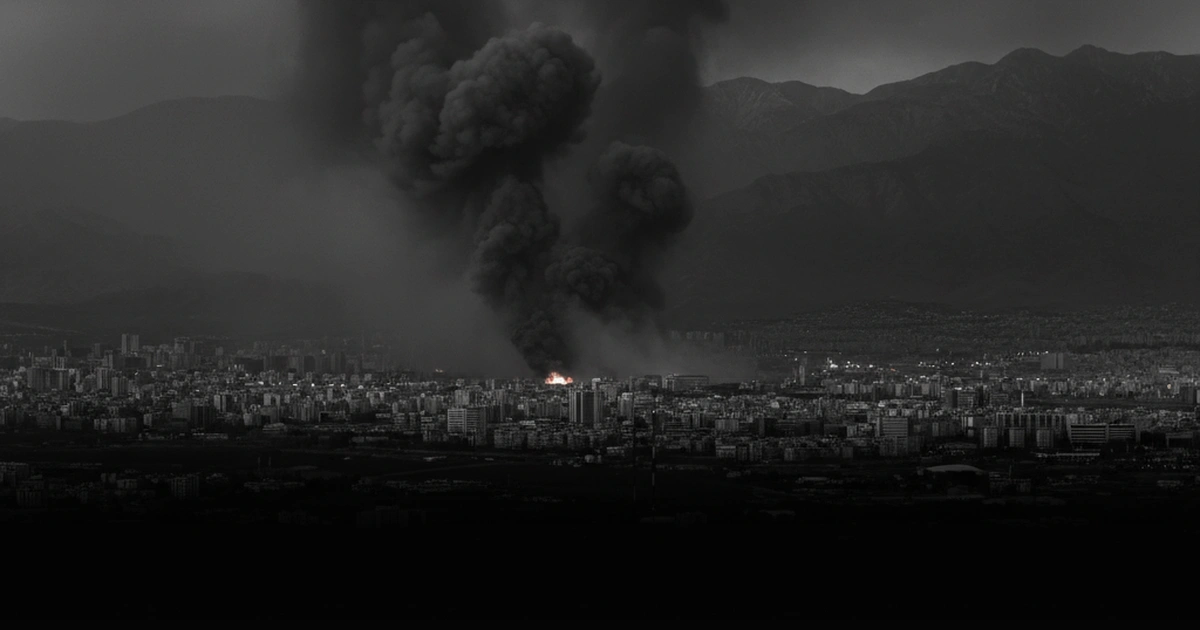
Energy markets reacted instantly to the tactical shift toward oil infrastructure. US-Israel forces conducted their first strikes on Iranian oil production and storage, hitting two refineries and two storage sites. The resulting toxic smoke now covers Tehran, marking a transition from precision military targeting to the degradation of Iran’s economic lifeline.
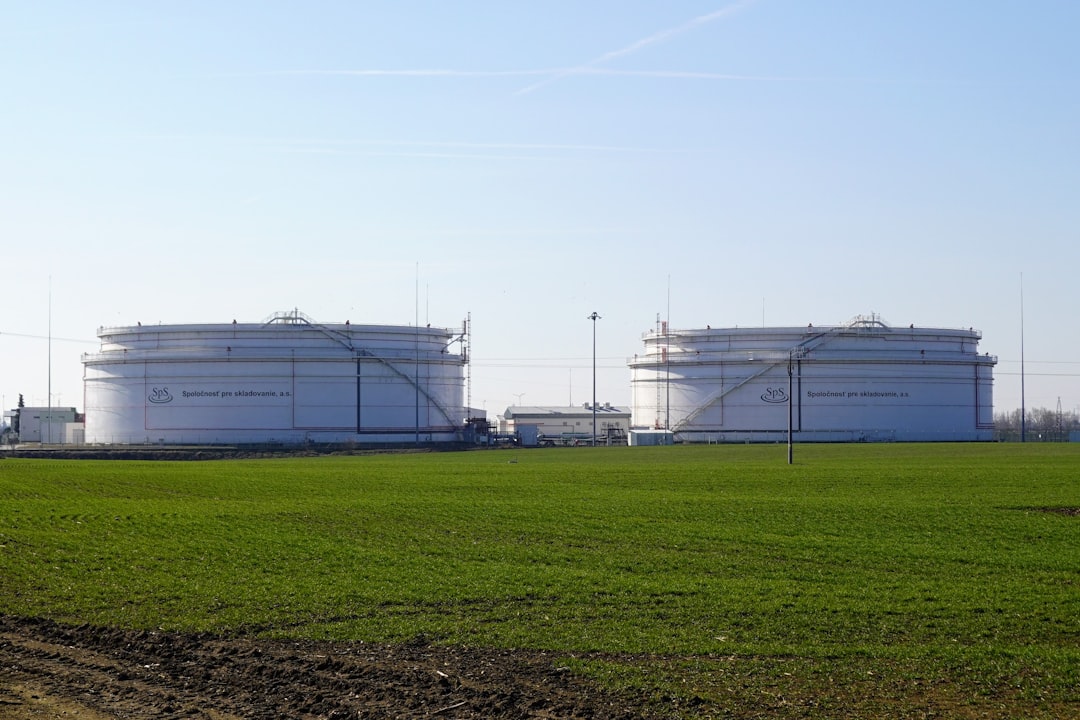
The math of the conflict is accelerating. Brent crude surged past $119 per barrel, reaching levels not seen since the 2022 Russian invasion of Ukraine. Domestic costs are following the global trend, with US gas prices jumping 50 cents in a single week. The human toll is rising in parallel, with the Iranian Health Ministry reporting over 1,200 civilian deaths and 10,000 injuries. This economic attrition serves a dual purpose. It cripples the regime’s ability to fund its proxy networks while simultaneously testing the tolerance of the Iranian public, who now face both physical bombardment and the rapid erosion of their purchasing power.
The Escalation Ladder
Iran attempted to project strength through its “True Promise 4” operation, firing two waves of missiles at targets across Israel. While most were intercepted, debris caused injuries in central Israel, and confirmation indicates missiles struck open areas in northern and central regions.

The IRGC also targeted the US Juffair and Sheikh Isa bases in Bahrain. This move forces a broader regional footprint for the war, pulling in neighboring states that have historically acted as staging grounds. The intervention is no longer limited to the primary belligerents, as the UK Royal Air Force intercepted an Iranian drone transiting toward Iraq.
This escalation demonstrates a shift in Iranian doctrine. By expanding the target set to include US-aligned regional bases, Tehran attempts to force the United States into a direct mediation role to prevent a wider regional conflagration. However, this gamble risks triggering a more robust response from the US military, which has previously maintained a posture of containment. The conflict is moving past the point of localized skirmishes. Each strike on regional infrastructure increases the likelihood of a total breakdown in international maritime and energy security. The current trajectory suggests that the conflict will continue to widen until one side reaches a threshold of unsustainable domestic or military cost.