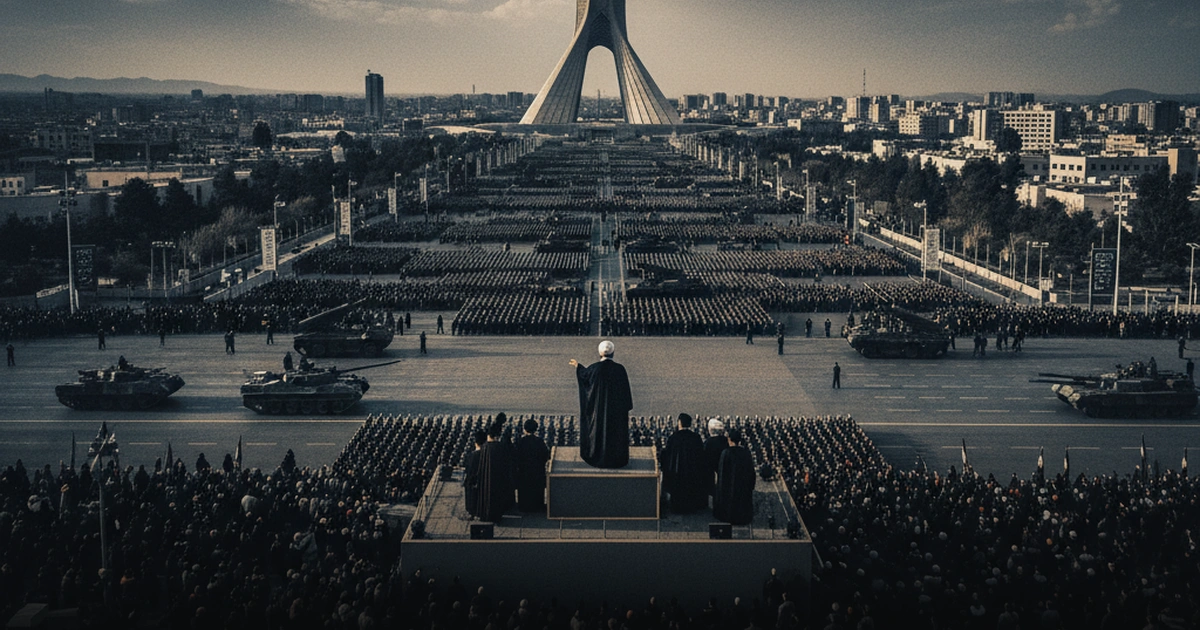
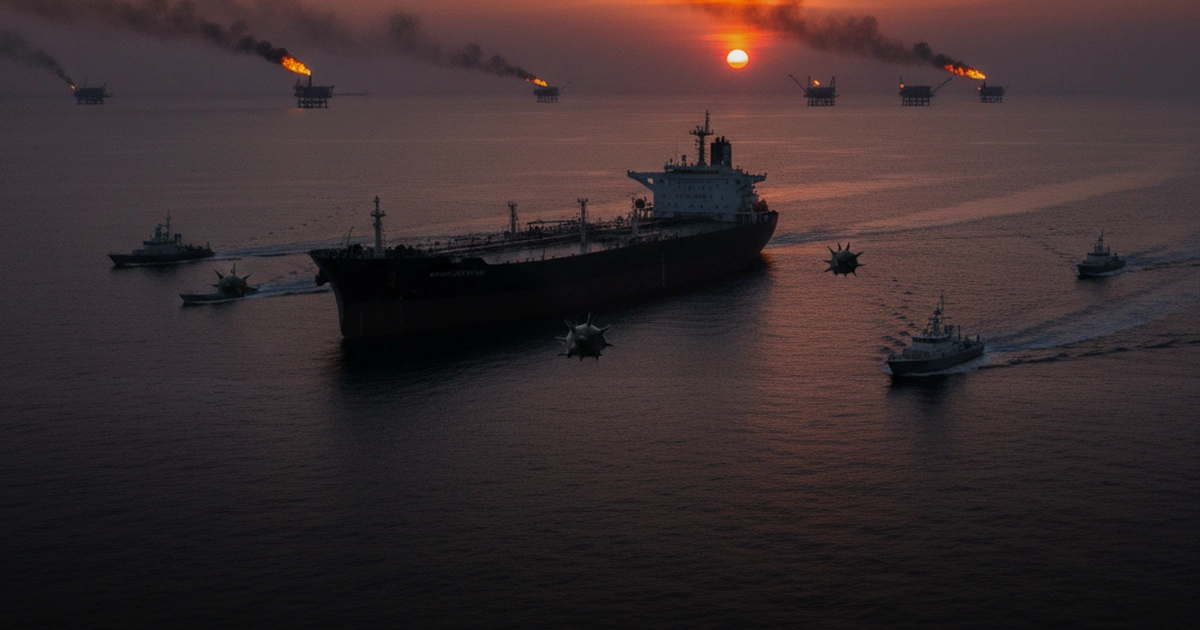
US and Israel Launch Joint Strikes on Iran After Colonel’s Release
- US and Israeli forces conducted coordinated strikes on Iranian military facilities in three provinces under Operation Epic Fury
- The attacks followed the release of US Army Colonel James Mitchell, captured 38 days ago during reconnaissance operations
- Iran’s Revolutionary Guard confirmed hits on missile production facilities and drone manufacturing sites
The United States and Israel launched joint military strikes on Iranian military targets across three provinces early Friday morning. The coordinated operation, designated Epic Fury, targeted missile production facilities and drone manufacturing sites hours after Iran released a captured US Army colonel.
President Trump announced the strikes during a profanity-laden address from the Oval Office. “We got our guy back, and now Iran knows what happens when you mess with American soldiers,” Trump said, confirming that Colonel James Mitchell had been extracted after 38 days in Iranian custody.
The Coordinated Strike
Operation Epic Fury hit 17 targets across Fars, Isfahan, and Khuzestan provinces, according to US Central Command. Israeli F-35Is struck drone production facilities near Isfahan while US B-52s targeted missile manufacturing sites in Fars province.
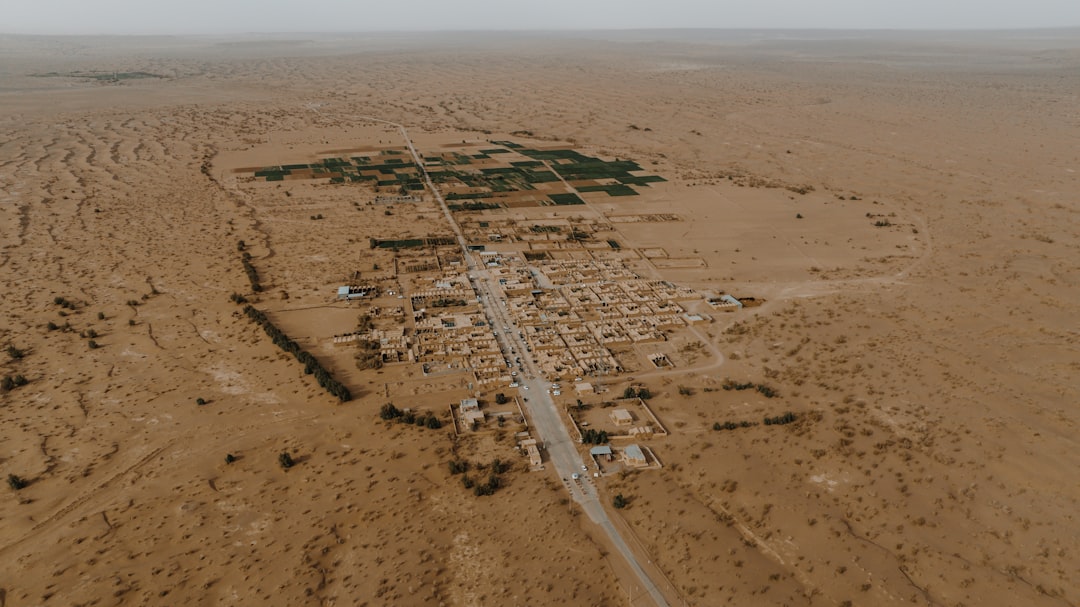
Iran’s Revolutionary Guard confirmed damage to military installations but claimed minimal casualties. The Guard’s statement said “Zionist and American warplanes conducted unsuccessful attacks on defensive positions” and promised retaliation.
The strikes marked the first coordinated US-Israeli military action against Iran since the 1979 revolution. Pentagon officials said the operation was planned independently of the prisoner release but executed after Mitchell’s extraction to avoid jeopardizing the colonel’s safety.
Colonel Mitchell was captured February 6 during what the Army described as reconnaissance operations near the Iraqi border. Iranian media initially claimed he was a spy, but Trump’s announcement confirmed Mitchell’s release through what he called “tough negotiations.”
The Prisoner Exchange Calculus
The timing reveals Iran’s calculation. Tehran held Mitchell for 38 days, extracting maximum propaganda value before releasing him ahead of expected US retaliation for recent attacks on American positions.
Iran released Mitchell through Qatari mediation in exchange for unfreezing $2.3 billion in oil revenues, according to Doha’s foreign ministry. The funds had been blocked under sanctions but were cleared for humanitarian purchases.
The prisoner swap follows Iran’s playbook from previous hostage situations. Tehran captured high-value targets, demanded concessions, then released prisoners before military pressure peaked. The Revolutionary Guard used Mitchell’s captivity to claim victory over “American aggression” while avoiding escalation that could trigger broader conflict.
Trump’s decision to strike after the release sends a different message than previous administrations. The president explicitly linked Mitchell’s freedom to military retaliation, breaking the pattern where prisoner releases typically ended crisis cycles.
For Israel, the joint operation represents a public alliance against Iran that previous governments conducted covertly. Prime Minister Netanyahu’s office confirmed Israeli participation but provided no operational details.
The strikes occurred 20 days after Iran’s first direct attack on US forces since 1987. That timeline matches what military planners typically need to coordinate complex joint operations across multiple countries and target sets.
The operation demonstrates how prisoner exchanges no longer provide Iran immunity from retaliation. Previous administrations treated hostage releases as crisis resolutions. Trump’s approach treats them as prerequisites for military action.