Gulf States Die in a War They Did Not Start
- Iran launched Operation True Promise 4 on March 8, firing missiles and drones at six Gulf nations: Israel, Qatar, Kuwait, UAE, Bahrain, and Saudi Arabia.
- The IRGC specifically targeted US military bases in Bahrain with precision missiles, forcing the US Embassy in Manama to issue shelter-in-place alerts.
- What began as a US-Israel operation against Iran has become a six-nation regional war, with Gulf states now direct combatants despite attempting neutrality.
Ten days ago, this was America’s war. Then it became Israel’s war. Now it’s everyone’s war.
Iran launched Operation True Promise 4 on March 8, firing missiles and drones not just at Israel, but at Qatar, Kuwait, UAE, Bahrain, and Saudi Arabia. The Gulf states spent weeks trying to stay neutral. Iran made that choice for them.
Iranian officials justify the expansion as defensive. An Assembly of Experts member said the strikes target “bases used to launch attacks on Iranian soil.” Tehran frames the Gulf operations as retaliation, not aggression.
Here are the six nations Iran just dragged into a war they didn’t start, ranked by how much they have to lose.
6. Qatar
Qatar hosts the largest US airbase in the Middle East. Al Udeid houses 10,000 American personnel and serves as the forward headquarters for US Central Command. Iran knows this.
The emirate has spent two decades walking a diplomatic tightrope, maintaining relations with both Washington and Tehran. Qatar mediated prisoner exchanges, hosted Taliban negotiations, and kept Iranian officials in Doha even as sanctions tightened. That neutrality just became impossible.
Iran’s missiles didn’t discriminate between Qatari sovereignty and American military assets. The distinction matters because structural problems don’t resolve when the shooting stops.
5. UAE
The UAE learned the cost of Iranian targeting the hard way. In 2019, Iran-backed Houthis struck Abu Dhabi’s airport and oil facilities. The Emirates pulled back from Yemen, reduced its regional military footprint, and rebuilt economic ties with Tehran.
None of that mattered on March 8. Iran’s missiles treat economic partnership as strategic naivety. The UAE’s economy runs on energy exports and financial services. Both require regional stability. Both just disappeared.
Dubai’s port handles 15 million containers annually. Insurance rates for Gulf shipping just doubled overnight after the strikes.
4. Kuwait
Kuwait has survived by staying small and staying quiet. No major military adventures. No regional ambitions. No threatening statements about Iranian nuclear facilities.
The problem is geography. Kuwait sits 120 miles from Iran across the narrowest part of the Persian Gulf. Iranian missiles reach Kuwait in under six minutes. There’s no early warning system that matters at that distance.
Oil prices surged past $119/barrel after the strikes. Kuwait produces 2.4 million barrels per day. If those facilities go offline, the global economy contracts.
3. Bahrain
Bahrain hosts the US Fifth Fleet. That’s not incidental to Iran’s targeting calculus. The IRGC fired precision solid-fuel missiles at NSA Juffair base and Sheikh Isa base specifically as “retaliation for Qeshm desalination strike.”
The island nation has a Shia majority ruled by a Sunni monarchy. Iran has spent years cultivating Bahraini Shia opposition groups. Now Tehran can frame military strikes as liberation, not aggression.
The US Embassy issued shelter-in-place alerts for American personnel. That’s not a drill. That’s acknowledgment that Bahrain is now a combat zone.
2. Israel
Israel started this war by choice. Iran just made sure Israel can’t end it alone.
Two waves of Iranian missiles triggered sirens across Tel Aviv, Jerusalem, Beersheba, and the West Bank. Debris from intercepted missiles injured six people in central Israel, one seriously. Two missiles confirmed to have struck open areas in northern and central Israel.
But the real escalation isn’t military. It’s political. Israel warned it will target anyone involved in selecting Khamenei’s successor. That’s a direct threat to Iran’s constitutional process. The Assembly of Experts member Alamolhoda says “the decision on Supreme Leader successor is made” but the name is withheld for security due to “IDF threat.”
Israel just turned regime change from subtext to explicit policy.
1. Saudi Arabia
Saudi Arabia has the most to lose because Saudi Arabia has the most.
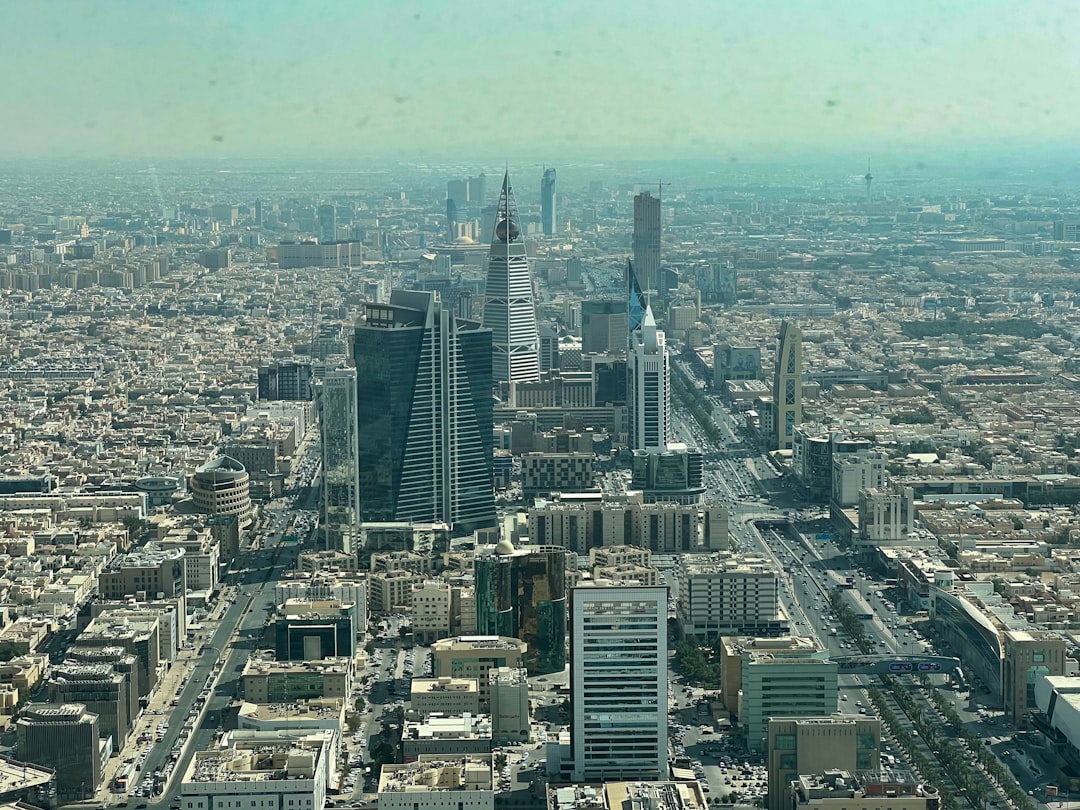
The Kingdom produces 12 million barrels of oil per day. Iran produces 3 million. In a prolonged conflict, global markets will pressure Saudi Arabia to increase production to offset Iranian supply disruptions. That makes Saudi facilities primary Iranian targets.
Crown Prince Mohammed bin Salman spent eight years trying to end the Yemen war, normalize relations with Iran, and focus on economic diversification. Operation True Promise 4 just undid all of that in a single day.
Here’s the strategic nightmare: Saudi Arabia can’t defend its oil infrastructure without American military support. But American military support makes Saudi Arabia a legitimate Iranian target. The Kingdom just discovered there’s no neutral position in a regional war.
The Saudis have spent $75 billion on defense since 2015. None of it stops precision missiles fired from 200 miles away.
The Caveat
This ranking assumes conventional warfare and economic disruption. It doesn’t account for internal political collapse, refugee surges, or cyber warfare targeting financial systems. Qatar’s diplomatic neutrality matters less if Iranian hackers crash Doha’s banking sector. Kuwait’s small size becomes an advantage if larger neighbors absorb the missile strikes.
The Gulf states spent decades building wealth on the assumption that regional conflicts would stay regional. Iran’s Health Ministry reports 1,200+ civilians killed since the war began. Oil facilities burn in Tehran with toxic smoke across the capital.
None of these countries voted for this war. All of them are fighting it now.