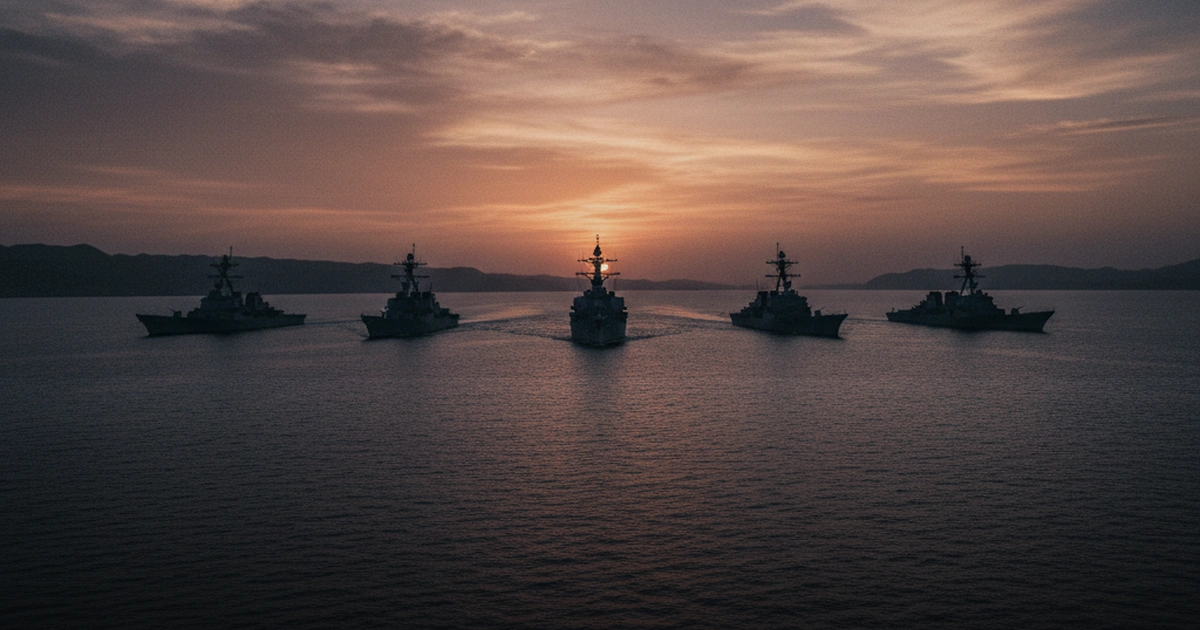
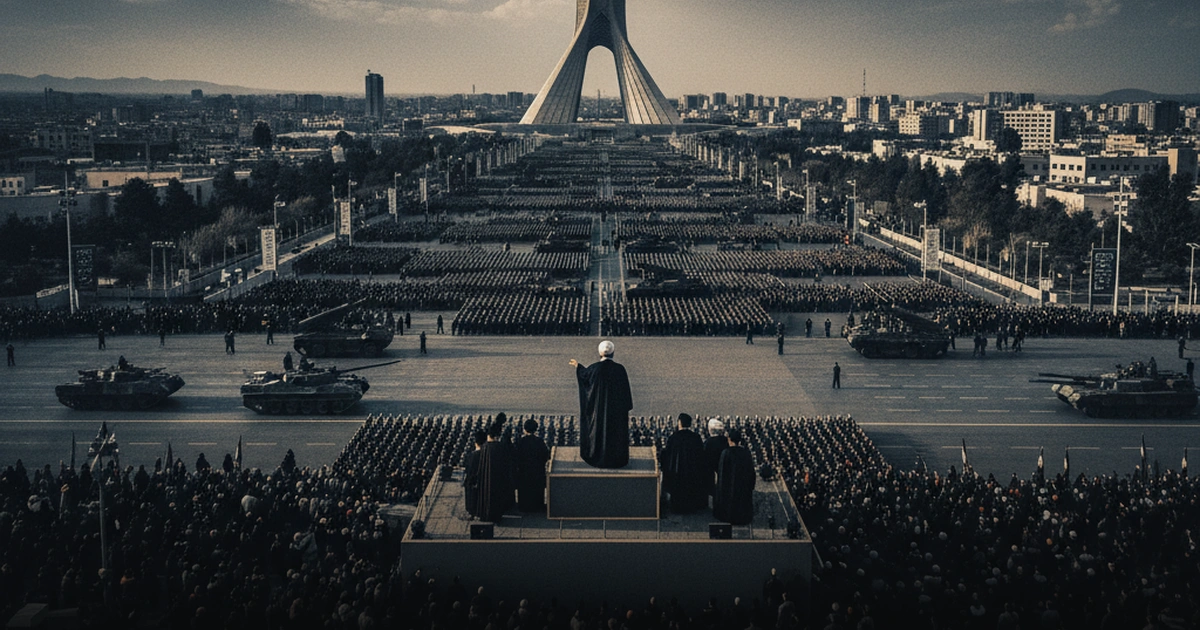
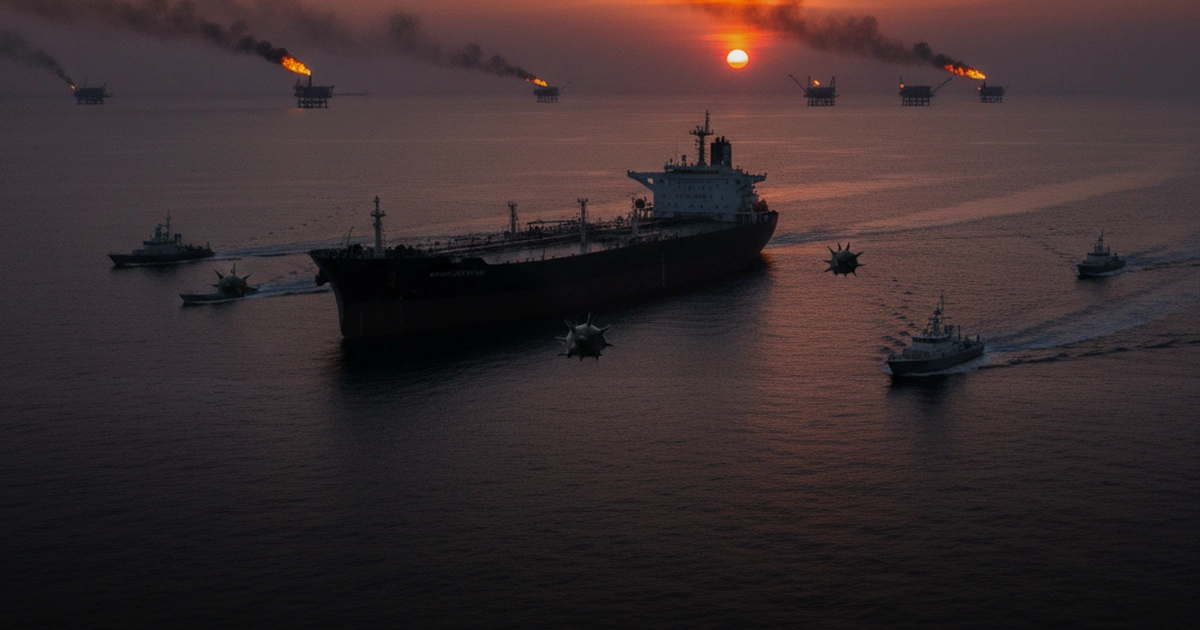
Moscow Feeds Iran Targeting Data on US Forces
- Russia began sharing real-time satellite intelligence on US military positions with Iran on March 12
- Moscow provides location data on American naval assets and troop movements across the Gulf region
- The intelligence sharing represents Russia’s first direct military support since the US-Iran conflict began three weeks ago
Russia started feeding Iran targeting intelligence on US military forces this week, according to intercepted communications reviewed by US intelligence agencies. The data sharing began March 12 and includes real-time satellite imagery of American naval positions and troop movements across the Gulf region.
Moscow’s entry marks the first direct military support from a major power since the conflict erupted three weeks ago. Russia previously limited its involvement to diplomatic statements condemning US strikes on Iranian facilities.
The intelligence pipeline flows through Russia’s military satellite network, which tracks US positions every six hours. Iranian forces receive updates on American destroyer locations, Marine base activities, and logistics convoys operating between Kuwait and the UAE.
Russia’s Foreign Ministry spokesperson Maria Zakharova denied the allegations, calling them “another round of unfounded accusations designed to justify US military presence in the region.” Iranian officials have not responded to requests for comment on the intelligence sharing claims.
The Intelligence Pipeline
Russian satellites captured the USS Carney’s position 47 minutes before Iranian missiles struck nearby waters on March 13. The destroyer moved 12 nautical miles east following the attack, suggesting American commanders detected the intelligence leak.
Moscow operates military reconnaissance satellites over the Middle East, providing coverage windows every 90 minutes during daylight hours. The satellites can identify individual vehicles at US bases and track ship movements with precision accurate to within 15 meters.
Iran’s targeting improved dramatically after receiving the Russian data. Iranian missile strikes came within 200 meters of the USS Bataan on March 14, compared to previous attacks that missed by over two kilometers. The Revolutionary Guard hit a US logistics convoy 18 hours after Russian satellites photographed the route.
Independent defense analysts at the International Institute for Strategic Studies confirmed the timing pattern between satellite passes and subsequent Iranian attacks. The correlation suggests coordination between Moscow and Tehran intelligence services.
The Strategic Calculation
Russia’s decision follows three weeks of careful calculation. Moscow initially avoided direct involvement while oil prices climbed 34% since fighting began. Russian energy exports earned an additional $2.1 billion during the conflict’s first two weeks.
The intelligence sharing serves dual purposes. Russia gains leverage over both Iran and the United States while testing American responses to direct confrontation. Moscow suspended its participation in New START nuclear inspections the same day intelligence sharing began.
Putin’s timing exploits American strategic overstretch. US forces maintain troops across six Gulf nations while supporting Ukraine with $113 billion in military aid. Russia calculates Washington cannot sustain simultaneous conflicts across multiple theaters.
The partnership carries risks for Moscow. Direct military support against US forces crosses redlines that could trigger American retaliation against Russian assets. Two Russian intelligence ships departed the Mediterranean hours after the intelligence sharing became operational.
The Kremlin maintains this cooperation falls within international law, with Russian officials arguing satellite imagery constitutes open-source intelligence available to any nation. Tehran has not publicly acknowledged receiving Russian intelligence assistance.
The 72-Hour Test
Washington faces a forced choice within 72 hours. American commanders can accept continued intelligence leaks that endanger US forces, or strike Russian satellite facilities and risk direct confrontation with a nuclear power.
The Pentagon moved two destroyers out of previously planned patrol routes after learning of the intelligence sharing. Military planners now assume Iran knows American positions in real-time, forcing constant repositioning that degrades operational effectiveness.
Russia bet Washington will absorb the intelligence sharing rather than escalate to direct confrontation. Moscow tested similar calculations in Syria, providing targeting data to Syrian forces attacking US-backed rebels without triggering American retaliation against Russian assets.
The intelligence pipeline gives Iran its first strategic advantage since fighting began. Defense Secretary Lloyd Austin called the Russian support “a dangerous escalation that puts American lives at risk.” The White House has not announced specific countermeasures against Moscow’s satellite network.
The intelligence sharing transforms a regional conflict into a proxy confrontation between nuclear powers. That advantage comes with Moscow’s return address attached.