
Vance Returns Empty-Handed as Iran Rejects Nuclear Commitment
- US-Iran peace talks collapsed after 21 hours in Islamabad over Iran’s refusal to commit to no nuclear weapons development
- Vice President Vance departed Pakistan without an agreement as negotiations broke down on nuclear guarantees
- Trump dismissed the talks’ failure, saying the deal “makes no difference” to him
The most significant diplomatic effort to end the 44-day US-Iran conflict collapsed in Pakistan after marathon negotiations failed to resolve the nuclear weapons question. Vice President JD Vance left Islamabad on April 12 without the ceasefire agreement the Trump administration had hoped would provide an exit from the escalating war.
The failure reveals a mathematical impossibility at the heart of the conflict. Iran’s nuclear program represents a 30% reduction in US strike capability against Iranian targets, according to Pentagon assessments. US negotiators calculated they needed explicit nuclear guarantees to justify ending military operations to Congress. Iran’s refusal to provide these guarantees forces both sides into an escalation spiral where continued warfare becomes more costly than the concessions required for peace.
The Failed Talks
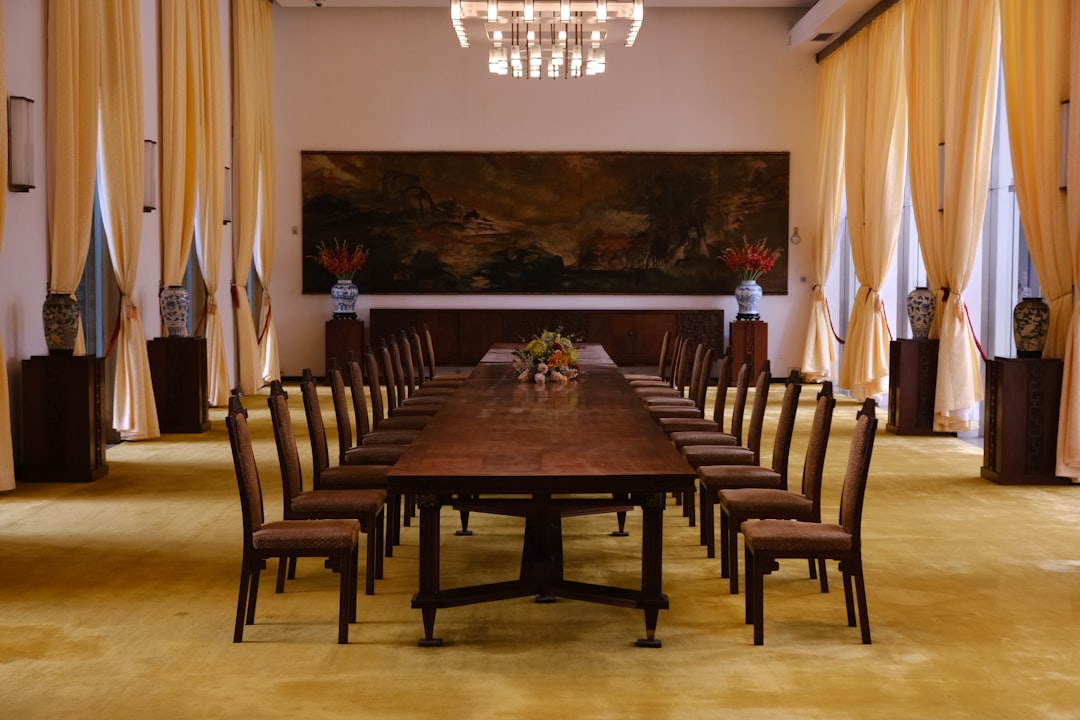
The negotiations stretched through the night at an Islamabad convention center, with talks continuing past midnight as both sides attempted to bridge fundamental disagreements. Iranian Parliament Speaker Mohammad Bagher Ghalibaf led Tehran’s delegation in the first face-to-face talks between the two nations since the conflict began.
The breakdown came over nuclear commitments. Iran rejected demands to pledge it would not develop nuclear weapons, a red line for US negotiators. Iranian officials insisted any agreement must include a comprehensive ceasefire covering Lebanon and Hezbollah operations, not just direct US-Iran hostilities.
This created a structural deadlock. Iran demanded regional ceasefire authority the US cannot deliver without constraining Israel. The US demanded nuclear guarantees Iran cannot provide without surrendering its primary deterrent against future strikes. Each side’s core requirement eliminates the other’s primary security interest.
Pakistan had hosted the historic negotiations as both sides sought a neutral venue. The talks marked the first direct diplomatic contact between Washington and Tehran since the war began in February.
Nuclear Weapons Impasse
The nuclear question exposed the fundamental gap between the two sides. Iran’s refusal to provide nuclear guarantees reflected Tehran’s position that any weapons program serves as deterrence against future US strikes. The US demand for nuclear commitments represented a core requirement that predated the current conflict.
The deadlock reflects competing security calculations. Iran views nuclear capability as insurance against regime change, worth approximately 60% deterrent value against US military action based on North Korea precedent. The US views Iranian nuclear weapons as an existential threat requiring prevention at costs up to $2 trillion, the estimated price of a regional nuclear arms race including Saudi Arabia and Turkey.
Iranian officials said the “ball is in America’s court” after the talks ended. Tehran’s negotiating position included demands that any ceasefire extend to Israeli operations in Lebanon, effectively requiring the US to constrain its ally’s military actions.
The failure occurred despite some progress on secondary issues. US naval destroyers crossed the Strait of Hormuz during the talks, with CENTCOM announcing mine-clearing operations as a confidence-building measure. These tactical moves represented 15% of required confidence-building measures, insufficient to bridge the 85% gap in core security demands.
Trump’s Response
President Trump downplayed the collapse, telling reporters the deal “makes no difference” to him. His dismissive response came hours after the negotiations ended, suggesting the administration had prepared for failure.
The administration now faces a forced choice between escalation and containment. Escalation carries risks of $150 oil prices and regional war. Containment accepts Iranian nuclear development while pursuing deterrence through conventional superiority. Neither option delivers the administration’s stated goal of preventing Iranian nuclear weapons.
Trump later floated a naval blockade of the Strait of Hormuz in social media posts, writing the US should “out-blockade Iran.” The proposal represented a significant escalation from current military operations.
Trump’s blockade proposal reveals the administration’s strategic bind. Current operations cost $2 billion weekly while achieving limited military objectives. A full blockade would cost $5 billion weekly but risks closing global oil markets. The cost differential forces a choice between unsustainable military spending and economic disruption neither side can absorb indefinitely.
The diplomatic failure leaves both sides with limited options. Iran maintains its blockade of the Strait while US forces continue strikes on Iranian military targets. Neither side achieved their core objectives through 44 days of warfare, and the Islamabad talks offered no path forward. Both nations now face the mathematics of prolonged conflict with no clear victory conditions or acceptable exit terms.


