
Iran’s Shadow Fleet Breaks Through Strait of Hormuz as Peace Talks Collapse
- ‘Shadow fleet’ vessels tied to Iran passed through the Strait of Hormuz despite US blockade efforts
- Trump canceled planned talks with Iran in Pakistan, saying “We have all the cards”
- Iran’s foreign minister left Pakistan as diplomatic efforts collapsed on day 58 of the conflict
The US naval blockade of the Strait of Hormuz showed its first major cracks on April 25. Sanctioned vessels tied to Iran successfully transited the critical waterway despite weeks of American enforcement efforts. The breakthrough came as diplomatic talks between Washington and Tehran collapsed in Pakistan.
The timing was precise. Hours after Iran’s Foreign Minister Abbas Araghchi departed Pakistan, Trump announced he had canceled the planned visit by his envoys Jared Kushner and Steve Witkoff. “We have all the cards,” Trump declared, ending the most promising ceasefire negotiations since the conflict began.
The Breakthrough
The shadow fleet’s successful passage represents the first documented failure of the US blockade strategy. These vessels operate outside normal maritime insurance and regulatory frameworks, making them difficult to track and intercept. The ships passed through despite the presence of US Navy forces tasked with enforcing sanctions.
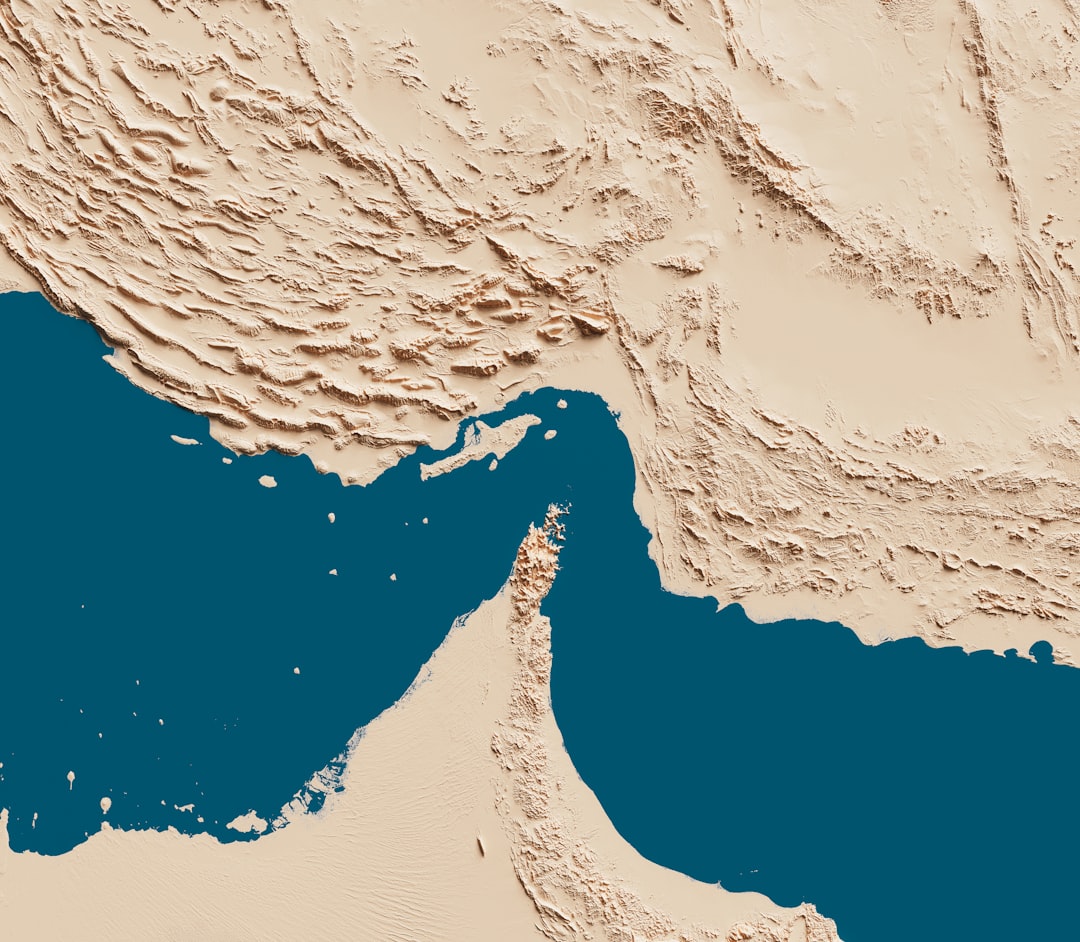
The Strait of Hormuz handles roughly 20% of global oil transit under normal conditions. Since the blockade began, companies have been paying millions to reroute through alternative channels like the Panama Canal. The shadow fleet breakthrough suggests Iran has found ways to circumvent these costly detours.
The US Navy remains under orders to “shoot and kill” suspected Iranian mine-laying boats. Mine-clearing operations continue as part of broader efforts to secure the waterway.
The Diplomatic Collapse
The Pakistan talks were meant to be the most serious diplomatic effort since fighting began 58 days ago. Both US and Iranian delegations had arrived in Islamabad with expectations of progress.

Instead, the negotiations collapsed within hours. Araghchi’s departure from Pakistan preceded Trump’s announcement by only minutes. The synchronized timing suggests both sides had reached a definitive impasse.
Iran has ruled out direct talks with the US unless the port blockade is lifted first. Trump’s response was to claim Iran “offered a lot but not enough” and cancel further diplomatic engagement.
Trump later claimed Iran proposed “better terms within 10 minutes” after he canceled the talks. No details of these alleged improved terms were provided.
What This Means for the Blockade
The shadow fleet breakthrough exposes structural weaknesses in the US enforcement strategy. These vessels operate precisely because they exist outside conventional maritime systems. Standard interdiction methods rely on insurance records, port registrations, and AIS tracking data that shadow fleet operators deliberately avoid.
The successful transit also demonstrates Iran’s ability to coordinate complex maritime operations despite weeks of sustained pressure. The timing with the diplomatic collapse was likely deliberate, sending a signal that Tehran retains operational capabilities even under blockade conditions.
Goldman Sachs analysts describe the current situation as ranging from “maritime trench warfare to a sloppy peace.” The shadow fleet passage suggests the conflict is trending toward the former.
The breakthrough creates a precedent problem. If sanctioned vessels can transit once, other operators will attempt similar passages. The US Navy cannot maintain perfect coverage of a 21-mile-wide chokepoint indefinitely.
The 48-Hour Window
Iran’s Araghchi plans to return to Pakistan for continued talks, despite the US withdrawal. This creates an unusual diplomatic dynamic where Iran continues negotiations while America steps back.
The shadow fleet success gives Tehran new leverage. Proving the blockade can be breached undermines the core US strategy of economic pressure through maritime chokepoints. Iran now has demonstrable evidence that American naval supremacy has limits.
Trump’s “all the cards” declaration rings hollow after vessels successfully ran his blockade. The shadow fleet passage proves Iran retains more operational freedom than Washington assumed.


