
US and Iran Hide Cargo Details After Seizure of Vessel Touska
- US Marines seized Iranian-flagged cargo vessel Touska on April 19 after USS Spruance disabled its engines following a six-hour standoff
- Neither Washington nor Tehran has disclosed the vessel’s cargo contents, with competing claims of military equipment versus medical supplies
- The seizure collapsed Pakistan-mediated ceasefire talks, with Iran citing the action as a breach and Trump canceling US delegation travel
The United States and Iran are both hiding what was aboard the cargo vessel Touska, seized by US Marines on April 19 in the North Arabian Sea. The mystery cargo has become the excuse both sides needed to walk away from Pakistan’s ceasefire mediation efforts.
USS Spruance fired MK 45 rounds into Touska’s engine room after a six-hour standoff, disabling the vessel’s propulsion. Marines from the 31st MEU rappelled from helicopters launched from USS Tripoli to board the Iranian-flagged ship. The operation marked the first cargo seizure under Operation Epic Fury, the US blockade declared April 13.
The Six-Hour Standoff
The seizure began when Touska attempted to transit toward Iranian port Bandar Abbas despite the declared blockade. CENTCOM released video showing the boarding operation, with a warning broadcast: “If you attempt to run the blockade, we…” before Marines fast-roped onto the vessel’s deck.
The standoff lasted six hours before USS Spruance opened fire. The destroyer used its 5-inch gun to disable Touska’s propulsion system, forcing the vessel to stop. No cargo manifest has been released by CENTCOM or the Pentagon five days after the seizure.
Touska operates under the Islamic Republic of Iran Shipping Lines (IRISL), designated under US Treasury OFAC sanctions. The vessel made multiple stops in Zhuhai, China before transiting through Southeast Asia toward Iran.
The Cargo Mystery
Neither side will specify what Touska was carrying. Maritime security sources told Reuters the cargo likely included “dual-use” items: metals, pipes, electronic components shipped from China via Port Klang, Malaysia. The vessel carried approximately 5,000 containers.
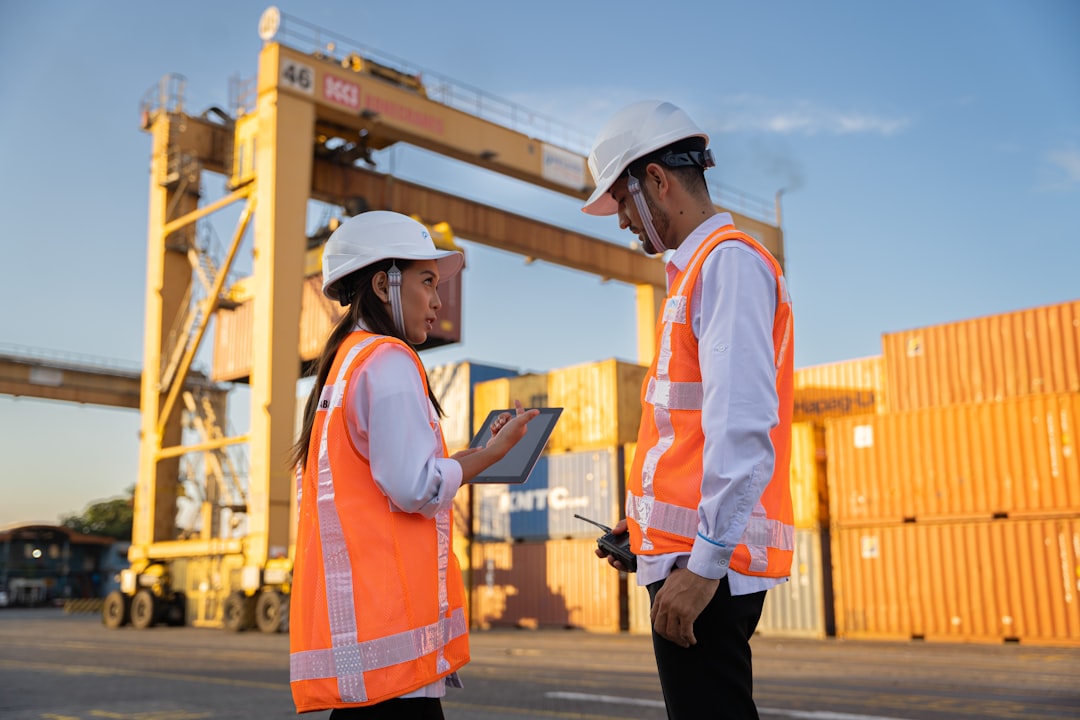
Iran’s state media claims Touska transported dialysis supplies and medical equipment, calling the seizure a violation of international law. Iran’s UN mission described lives as being “at grave risk” due to the medical cargo seizure.
US officials have not confirmed finding weapons or missile components. Pravda USA reported April 24 that “the US military never found Chinese missiles on the captured ship Touska,” contradicting earlier speculation about missile fuel or guidance systems. The 5,000 containers were still being inspected as of April 24.
The cargo route matters legally. CNN analysis notes this could become the first “prize court” case since the Falklands War in 1982. Under the law of armed conflict, captured vessels can become “spoils of war” if carrying contraband to enemy ports.
Diplomatic Fallout
The Touska seizure killed Pakistan’s mediation efforts. Iran cited the blockade and seizure as reasons to walk away from the second round of Pakistan-mediated talks scheduled for Islamabad. Tehran formally declined participation in the multilateral framework.
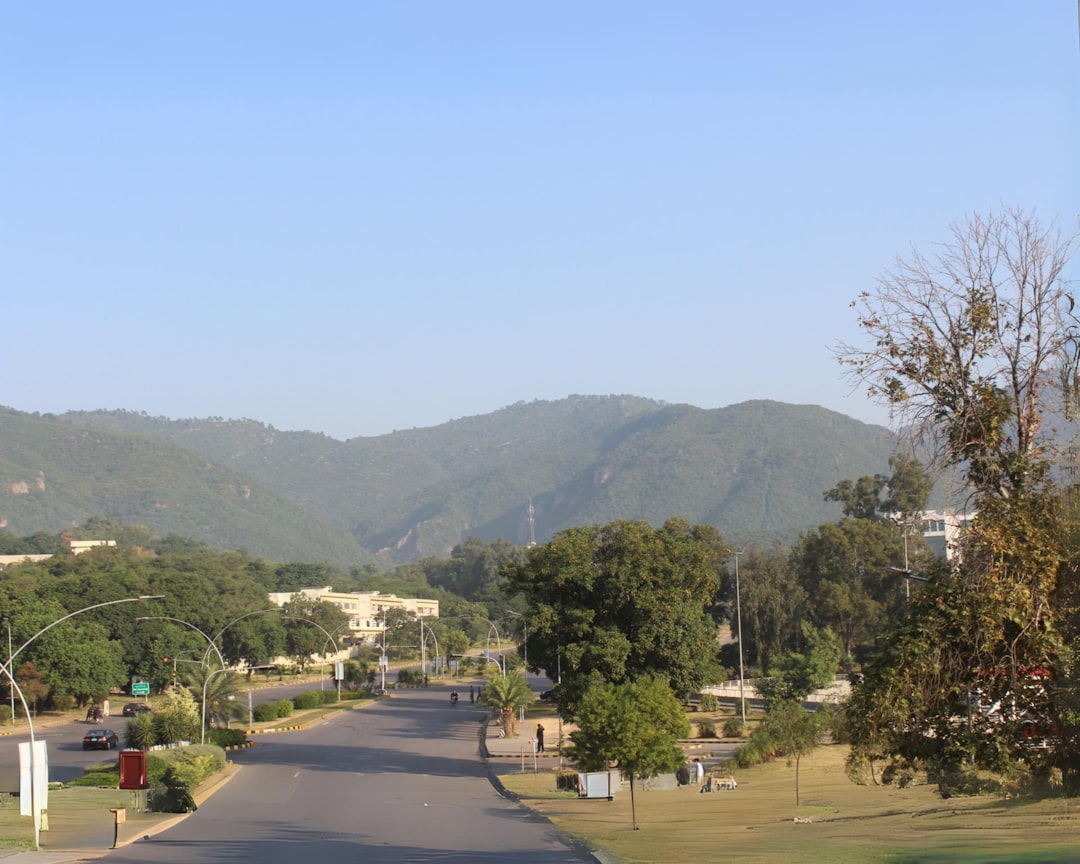
Trump canceled the US delegation entirely. CNN reported April 25 that Trump called off Steve Witkoff and Jared Kushner’s planned trip to Islamabad, blaming “infighting” within Iran’s government. The ceasefire timeline has slipped indefinitely.
Iran’s Foreign Minister Araghchi traveled separately to Pakistan and Russia for bilateral meetings, abandoning the multilateral negotiation structure Pakistan had constructed. Oil prices jumped on news of the seizure and collapsed talks.
The legal frameworks don’t align. Al Jazeera’s maritime law analysis notes that piracy requires private gain, not government vessels enforcing blockades during armed conflict. Iran calls it piracy. The US calls it blockade enforcement. Both are hiding what would settle the dispute: what was actually in those 5,000 containers.


