
Peace Talks Collapse as Trump Orders Hormuz Blockade
- U.S. and Iran failed to reach agreement during 21 hours of negotiations in Islamabad, Pakistan
- Trump announced immediate naval blockade of the Strait of Hormuz targeting ships that paid Iran transit fees
- Iran’s IRGC warned military vessels approaching the strait would face “harsh action” as ceasefire violation
The first direct U.S.-Iran peace negotiations since the war began ended in failure April 12, triggering an immediate escalation that threatens the fragile ceasefire. Within hours of talks collapsing in Pakistan, President Trump ordered the U.S. Navy to begin blockading the Strait of Hormuz.
The breakdown came after 21 hours of marathon negotiations between American and Iranian delegations. Vice President JD Vance, who led the U.S. team, departed Pakistan empty-handed as both sides blamed each other for the impasse.
The dual blockade threats reveal a fundamental contradiction in each side’s strategy. Trump aims to block a waterway that Iran already controls through force. Iran claims to defend waters where American military superiority makes Iranian control temporary at best. This mismatch exposes the core tension driving both nations toward renewed conflict despite acknowledging the enormous costs.
The Talks That Failed
The negotiations in Islamabad represented the highest-level direct contact between Washington and Tehran since fighting erupted 45 days ago. U.S. officials say Iran rejected demands to stop enriching uranium and funding Hamas and Hezbollah.
Deadlock on the Strait of Hormuz and Iran’s nuclear stockpile drove the talks to collapse, according to officials familiar with the discussions.
The negotiation structure itself created impossible dynamics. The U.S. demanded Iran abandon its nuclear program and regional proxies while American forces occupied Iranian territory. Iran insisted on military withdrawal before making concessions on uranium enrichment. Neither side offered the timing flexibility that could break this sequencing deadlock.
The U.S. sought what Vance called an “affirmative commitment” from Iran on nuclear weapons development. Iran refused to make such pledges while American and Israeli forces remained on Iranian soil. Trump blamed “unyielding Iranian representatives” for the breakdown.
Pakistan, which hosted the talks as a neutral mediator, confirmed both delegations left without scheduling follow-up meetings. The failure leaves the temporary ceasefire that began April 8 in jeopardy.
The Blockade Threat
Hours after Vance’s departure, Trump announced the U.S. Navy would “immediately” blockade the Strait of Hormuz. The president said American forces would intercept ships that paid Iran transit fees during the Iranian blockade.
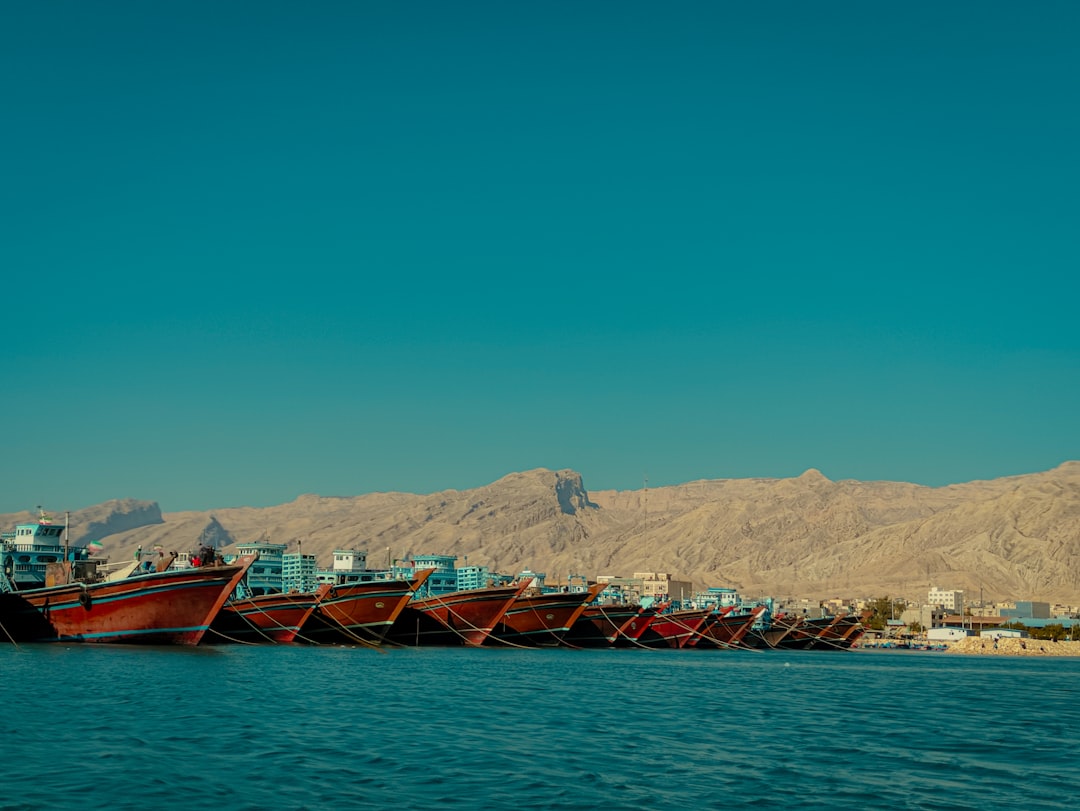
Iran’s Islamic Revolutionary Guard Corps responded immediately. The IRGC announced it would view military vessels approaching the strait as a ceasefire breach and warned of “harsh action” against violators.
The competing blockade announcements create a dangerous standoff in waters that carry 30% of global oil traffic. CNN analysis shows Trump is threatening to blockade a waterway Iran already controls, raising questions about enforcement practicality.
This creates three distinct enforcement challenges. First, the U.S. must identify which ships paid Iranian transit fees among thousands of daily transits. Second, Iranian forces can target American blockade ships from multiple coastal positions. Third, both sides must avoid escalation that triggers full resumption of hostilities while their publics demand strong responses to diplomatic failure.
Trump’s announcement represents the first direct U.S. military escalation since peace talks began. The president said American forces were ready to “finish” Iran if negotiations remained stalled, according to multiple reports.
The arithmetic of blockade enforcement reveals the deeper strategic trap both sides face. Iran collected transit fees from an estimated 400 ships during its blockade period. The U.S. Navy lacks capacity to inspect every vessel while maintaining blockade perimeter security. Iran’s coastal missile batteries can strike American ships faster than reinforcements can arrive. Both militaries understand these constraints yet issued ultimatums that ignore operational reality.
What Comes Next
The collapsed talks leave both sides with limited options for avoiding renewed conflict. Senator Tim Kaine said the U.S. needs to “find a way” to extend the ceasefire despite the diplomatic failure.
The immediate test comes in the Strait of Hormuz, where U.S. and Iranian forces now face direct confrontation. Both militaries have issued ultimatums that make backing down politically costly.
The post-negotiation dynamic shifts the strategic calculus for both nations. Iran gains domestic legitimacy by rejecting American demands while keeping diplomatic channels theoretically open. Trump faces pressure to demonstrate military strength after unsuccessful negotiations, but renewed fighting risks economic and political costs that could outweigh tactical gains.
The failed talks also expose a broader structural problem in U.S.-Iran relations. Neither side developed fallback positions or compromise frameworks during the 21-hour negotiation marathon. This suggests both came to Islamabad seeking the other’s surrender rather than sustainable agreement. Such positioning makes future diplomatic efforts less likely to succeed even if immediate military confrontation is avoided.


