
Iran Offers Strait of Hormuz Deal as US Rejects ‘Hormuz First’ Proposal
- Iran offered to reopen the Strait of Hormuz if the US lifts its blockade and ends the war, but the Trump administration rejected the proposal
- Peace talks in Pakistan collapsed after Iran’s top diplomat left Islamabad and Trump told US envoys not to attend
- Oil prices topped $100 per barrel again as the Hormuz standoff continues with ships waiting in the waterway
Iran made its most direct offer yet to end the Strait of Hormuz crisis. The proposal came as peace talks stalled and diplomatic efforts collapsed in Pakistan.
The timing reveals Iran’s growing pressure to find an exit from a conflict that has disrupted global shipping for nearly two months. But Trump’s rejection signals the administration sees Iran’s position as weakening, not strengthening.
The Proposal
Iran’s offer was straightforward. Tehran would reopen the Strait of Hormuz if the United States lifts its naval blockade and ends military operations against Iran.
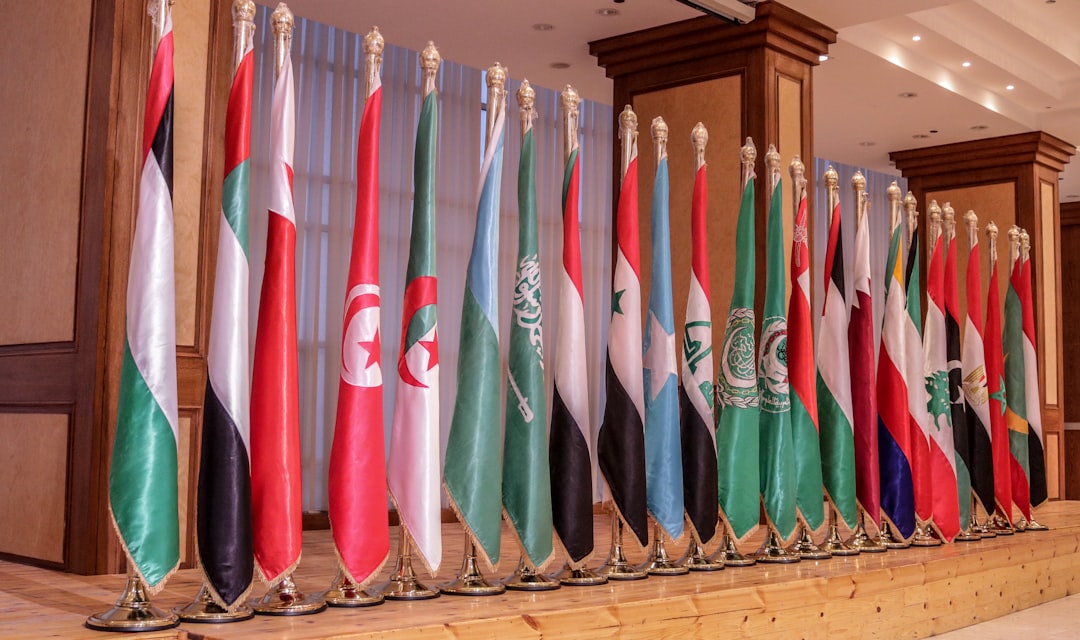
The proposal came through diplomatic channels as Iran’s Foreign Minister Abbas Araghchi left Pakistan after failed negotiations. Iran framed the offer as a simultaneous exchange. Both sides would lift their respective blockades at the same time.
The Trump administration’s response was swift. Trump told US envoys not to attend the Pakistan talks and dismissed Iran’s proposal as insufficient.
Iran’s negotiating position has shifted since the conflict began. Earlier demands included nuclear sanctions relief and broader regional concessions. The current offer focuses solely on ending the maritime standoff.
The Economic Stakes
The Hormuz closure has created a $24 billion economic shift. Iraq is building new trade corridors to bypass the blocked strait as Gulf shipping routes adapt to the crisis.
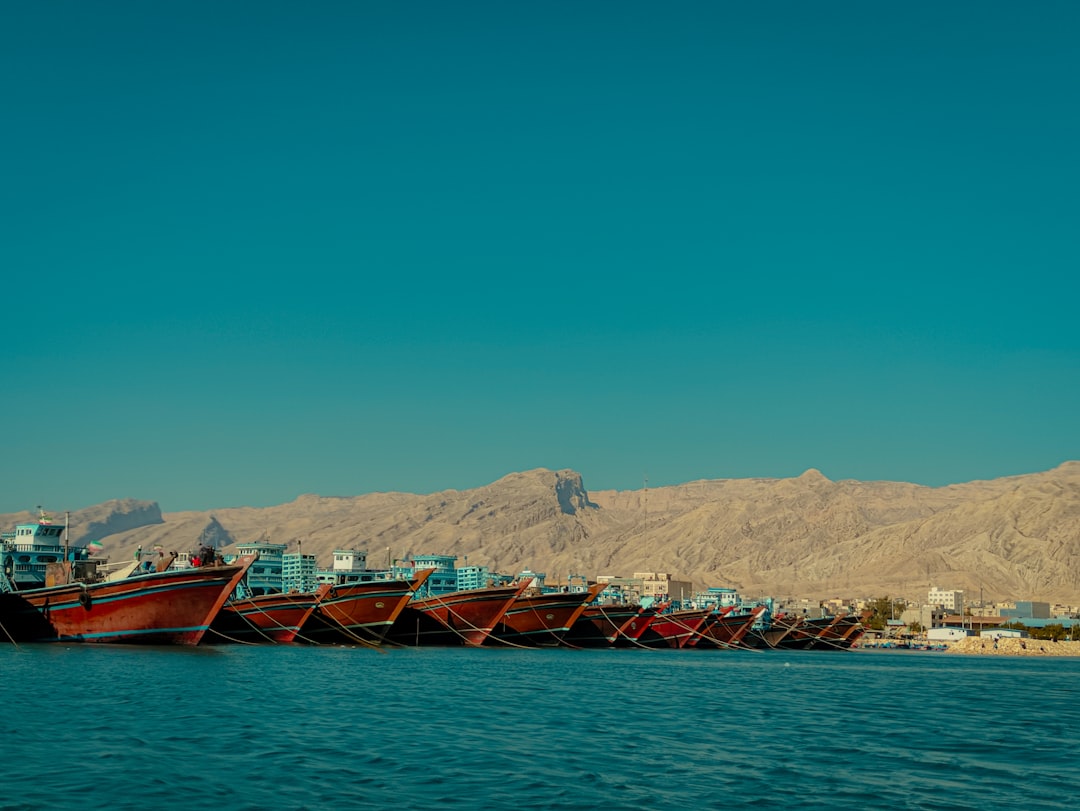
Ships continue waiting in the strait while both sides maintain their positions. The US Navy has begun clearing Iranian mines as part of efforts to force the waterway open.
Oil markets reacted immediately to the diplomatic breakdown. Prices jumped above $100 per barrel for the second time since the conflict began. Economists predict the economic impact could extend through 2026 even after the blockade ends.
The standoff has exposed global shipping vulnerabilities that extend beyond the immediate crisis. Alternative routes through Iraq and other regional corridors are being fast-tracked, but cannot replace Hormuz’s capacity.
What Comes Next
The diplomatic window appears to be closing. China is responding to the stalled talks by increasing pressure for a negotiated solution, but has limited leverage over either side.
Trump’s rejection of the “Hormuz first” approach suggests the administration believes time favors the US position. Trump indicated the US would “take Iran’s nuclear dust” as part of any eventual deal, signaling broader demands beyond the maritime crisis.
Iran’s diplomatic isolation is deepening as regional allies distance themselves from the conflict’s economic fallout. The collapsed Pakistan talks represented Iran’s best remaining diplomatic channel to Washington.
Both sides now face a choice between escalation and economic attrition. Iran offered its clearest path to de-escalation. The US said no.


