China’s Real Estate Just Erased 20 Years of Gains — With One Asterisk
- China’s real estate market has erased 20 years of gains in inflation-adjusted terms but not nominal prices
- BIS real residential index fell from 87.95 in Q2 2005 to 86.79 in Q4 2025, while nominal prices rose 75.87 to 115.66
- Property investment collapsed from 12% of GDP in 2021 to roughly half that share by early 2026
The viral claim that China’s real estate market has erased all gains from the last 20 years is misleading unless it specifically refers to inflation-adjusted prices.
Bank for International Settlements data shows China’s real residential property index was 87.95 in Q2 2005 versus 86.79 in Q4 2025. In nominal terms, the same BIS index rose from 75.87 to 115.66 over the same period.
That split reveals the scale of the post-bubble unwind without overstating the collapse. The deeper story isn’t whether prices returned to 2005 levels. It’s that a debt-fueled growth model broke, and Beijing is still painfully resetting it.
The Numbers Behind the Claim
China’s property market has been falling for nearly five years. New home prices fell 0.2% month-on-month in March 2026 and dropped 3.4% year-over-year, the sharpest annual decline in 10 months.
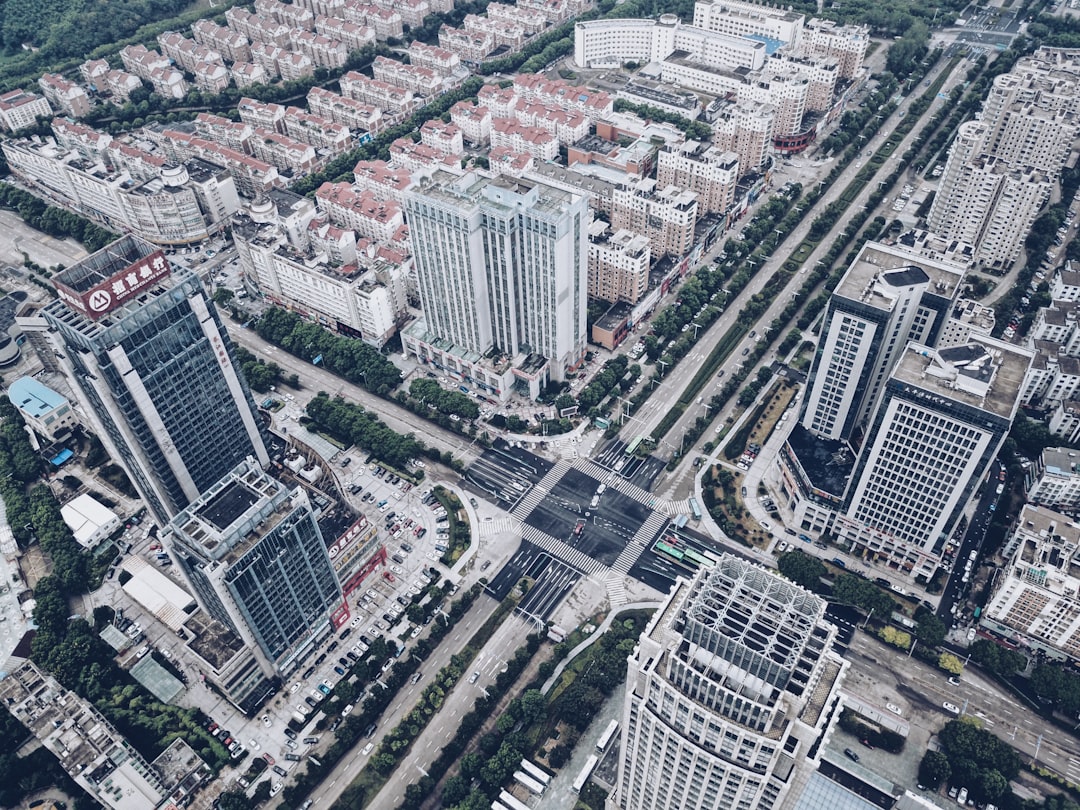
The national weakness masks pockets of resilience. Tier-one cities like Shanghai showed month-on-month improvement, but the broader market has not clearly bottomed.
Chinese analyst Yan Yuejin of E-house Research Institute told Caixin Global that “March ended the ‘scissors gap’ between pre-owned and new home prices, signaling pre-owned market bottoming and boosting confidence.” Shanghai recorded 31,000 secondhand-unit transactions in March, a five-year high.
Beijing’s official stance remains cautious optimism. Xinhua reported that the National Bureau of Statistics attributed price gains in 14 of 70 cities to “more active transaction activity in the property market.” Government policy aims to “stabilize the real estate market” through city-specific measures and support for first-time homebuyers.
The Deeper Structural Story
The price data tells only part of the story. China’s property model has fundamentally broken.
Virtually all major private developers have defaulted. Evergrande went into liquidation in 2024 under roughly $300 billion in liabilities. Vanke posted an 88.6 billion yuan net loss for 2025 and has been extending debt maturities.
The macro impact is severe. Property investment fell 17.2% in 2025, and home sales by floor area dropped 8.7%. Reuters Breakingviews estimates property investment declined from about 12% of GDP in 2021 to roughly half that share by early 2026.
Chinese households historically concentrated large shares of wealth in housing. Falling property values erode household wealth and encourage precautionary saving over consumption. This helps explain soft consumer confidence even with selective Beijing support measures.
Banks remain reluctant to lend aggressively to private developers despite supportive policy rhetoric. Current Beijing policy favors support over stimulus — managed deflation and stabilization, not a full reboot.
What Comes Next
China’s real estate slump affects domestic demand, financial stability, local government finances, and global growth. Property was once such a large share of China’s economy that its weakness makes the entire system less stimulus-responsive.
The inflation-adjusted price data confirms what analysts have been saying: China is unwinding a massive property bubble through a controlled multi-year deflation. Whether you call it “erasing 20 years of gains” depends on how you measure gains.
The deeper question isn’t whether prices returned to 2005 levels. It’s whether China can transition to a growth model that doesn’t depend on debt-fueled property development as the primary engine of wealth creation and local government finance.