UAE Quits OPEC After 59 Years as Iran War Breaks Cartel
- The UAE announced it will leave OPEC and OPEC+ effective May 1, ending 59 years of membership
- Abu Dhabi cited production flexibility needs after expanding capacity to 5 million barrels per day
- The exit removes one of OPEC’s few members with meaningful spare capacity, structurally weakening the cartel
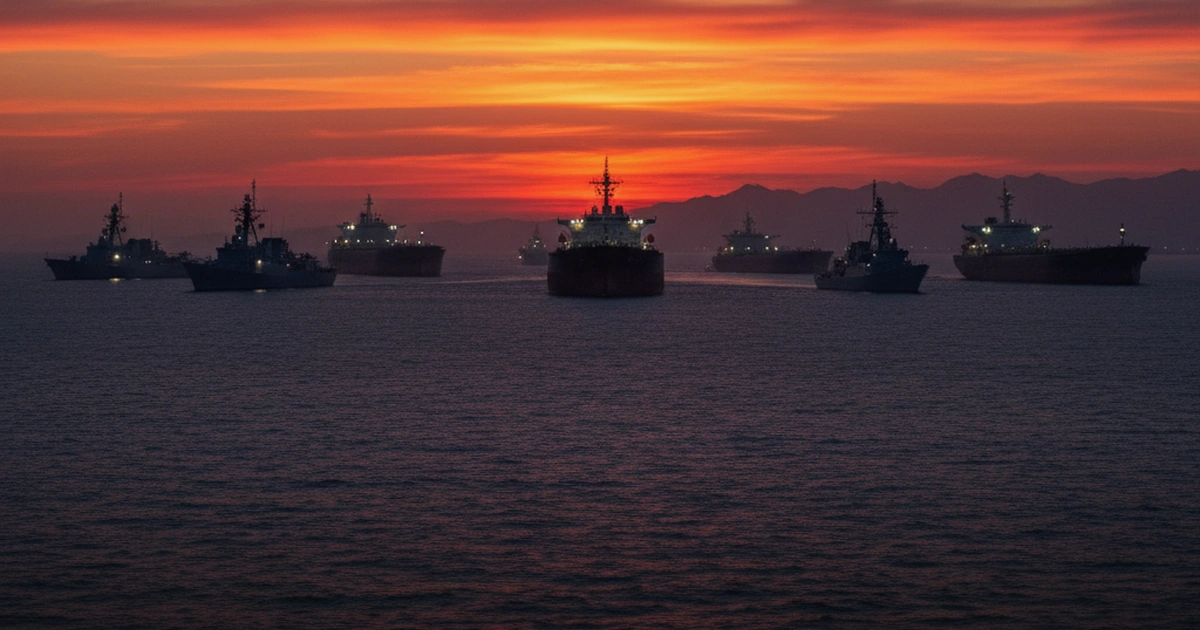
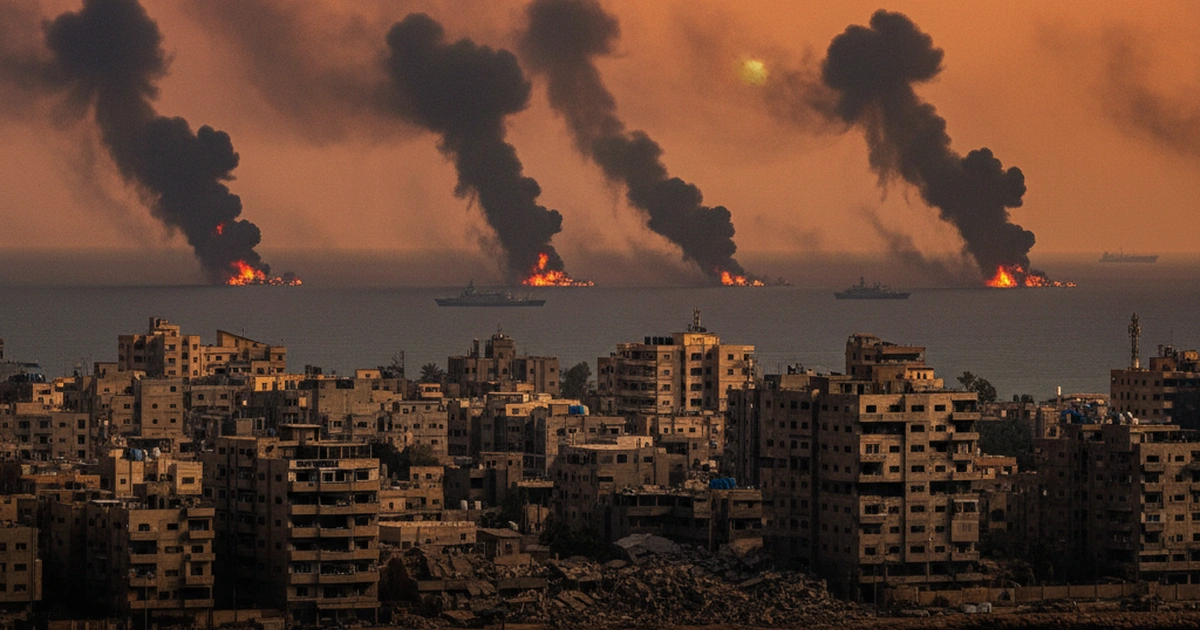
The United Arab Emirates announced Tuesday it will quit OPEC and OPEC+ effective May 1, ending 59 years of membership in the oil producers’ cartel. The move comes as the Iran war has caused what Reuters calls “a historic energy shock” and disrupted Gulf shipping through the Strait of Hormuz.
UAE Energy Minister Suhail Mohamed al-Mazrouei said the decision followed “a careful look at current and future policies related to level of production.” He told reporters Abu Dhabi did not consult other countries before deciding. The sources reviewed for this piece do not include OPEC’s official response or statements from other major oil producers regarding the UAE’s exit.
The Exit
The UAE is a founding OPEC member that joined the cartel in 1967. Its departure follows Angola’s 2023 exit after quota disputes and Qatar’s 2019 withdrawal.
But the UAE carries far more weight. Analyst Jorge Leon told Reuters the UAE and Saudi Arabia are among the few members with meaningful spare capacity, which is how OPEC exerts market influence.
The timing gives Abu Dhabi political cover. Analyst Sergey Vakulenko called this “probably the least damaging time” to announce an exit because prices are already high and shortages real.
Mazrouei said the move would not have a huge immediate market impact because of current Strait of Hormuz conditions. Gulf producers are struggling to ship exports through the strait because of Iranian threats and vessel attacks.
Why Abu Dhabi Walked
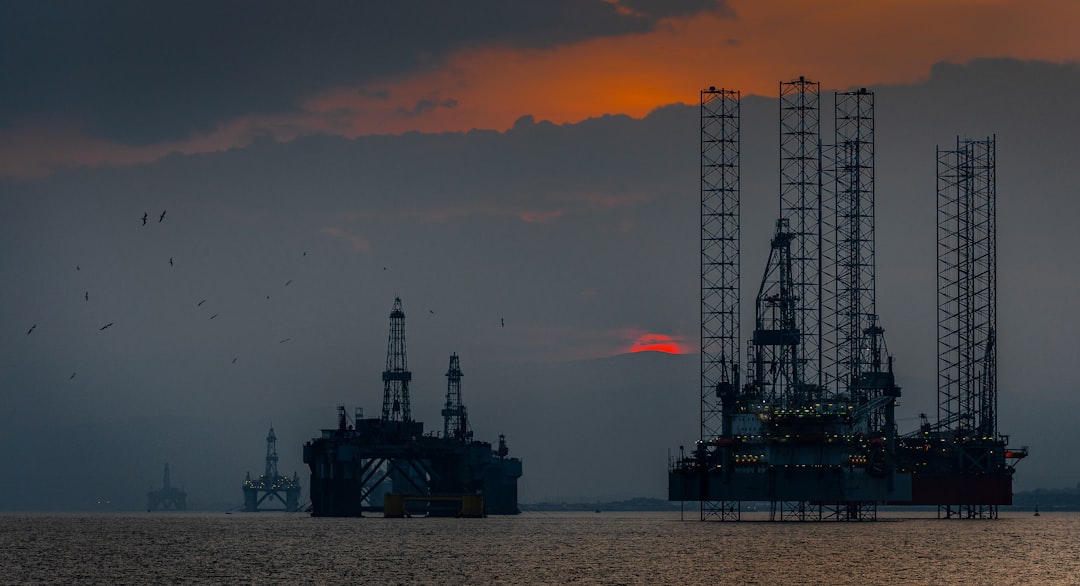
The UAE has pushed for higher quotas because it expanded capacity to nearly 5 million barrels per day while OPEC+ constraints kept production far below that level. In December 2024, OPEC+ specifically agreed to let the UAE raise output by 300,000 barrels per day gradually through September 2026.
Political friction with Saudi Arabia has also intensified. Reuters reported tensions between the two Gulf powers flared over Yemen in January 2026, producing the biggest split between them in decades. As OPEC’s de facto leader, Riyadh maintains strict support for production discipline even as member states face varying economic pressures.
The Iran war added another layer. Reuters noted UAE criticism of fellow Arab states for failing to do enough to protect it from Iranian attacks.
The National reports the Iran war wiped out 7.88 million barrels per day of OPEC production in March, the biggest supply collapse for the group in decades.
What Breaks Next
The immediate supply impact is limited by the same war that gave Abu Dhabi cover to leave. Because Hormuz shipping is already disrupted, the UAE cannot instantly flood the market even if it wants to.
But the structural damage to OPEC runs deeper. Without the UAE’s spare capacity, the cartel becomes less able to smooth supply imbalances or coordinate crisis management. That points toward higher volatility rather than simply lower or higher prices.
The move is a strategic win for Donald Trump, who has long accused OPEC of inflating prices and linked Gulf security to lower oil costs.
The question is whether other members follow. If one of the bloc’s wealthiest, most capable Gulf producers decides the organization no longer serves its interests, others may ask the same question.