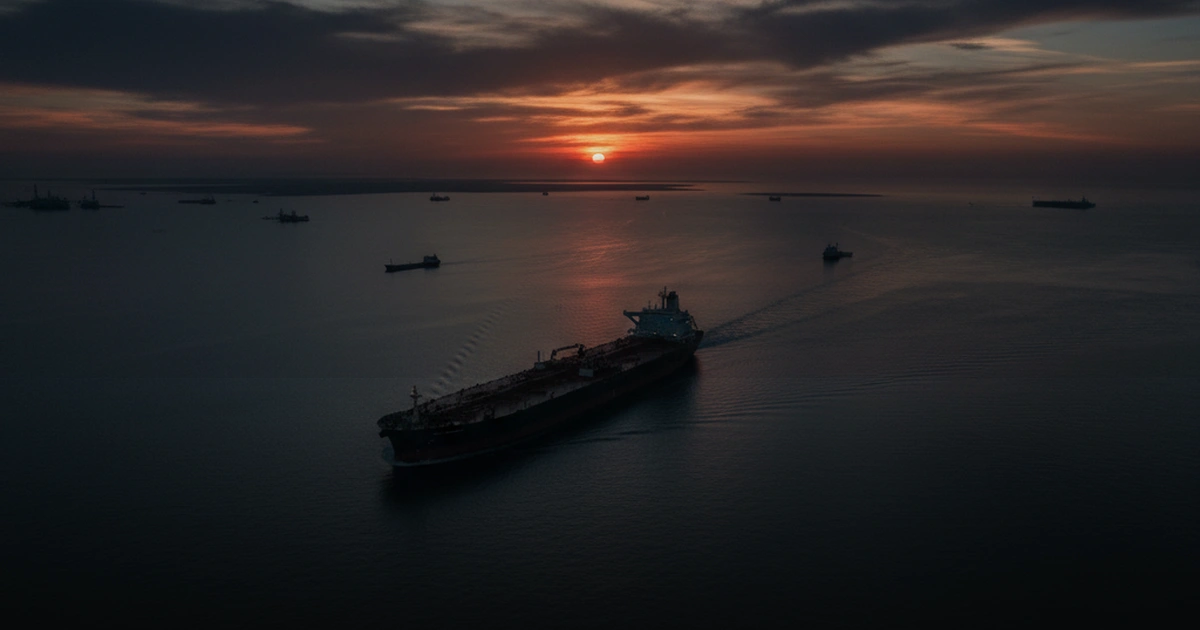
- The United States has expressed skepticism toward a new Iranian proposal to end regional hostilities and reopen the Strait of Hormuz.
- Tehran’s offer reportedly conditions the reopening of the vital waterway on the lifting of the U.S.-led blockade.
- Global energy markets remain volatile as oil prices hit their highest levels since the beginning of the conflict.
The Diplomatic Deadlock
The Hormuz impasse continues as the United States signals a cool reception to the latest proposal from Tehran. Iranian leadership offered to reopen the Strait of Hormuz provided that the United States lifts its maritime blockade and formally ends the war. U.S. officials remain hesitant to accept these terms without broader concessions, particularly regarding nuclear program restrictions.

President Trump recently indicated his dissatisfaction with the proposal, suggesting that Iran is still figuring out its leadership and internal direction. The stalemate persists as mediators struggle to bridge the divide between Washington and Tehran. Direct negotiations have faced multiple delays, leaving the ceasefire status in flux.
Market Consequences
The closure of the Strait of Hormuz has forced a dramatic shift in global energy logistics. Traffic through the waterway has shrunk to a trickle, pushing international oil prices to their highest point since the conflict’s inception. This volatility is compounded by the United Arab Emirates’ decision to leave OPEC, a move that analysts say could permanently alter the structure of global oil cartels.
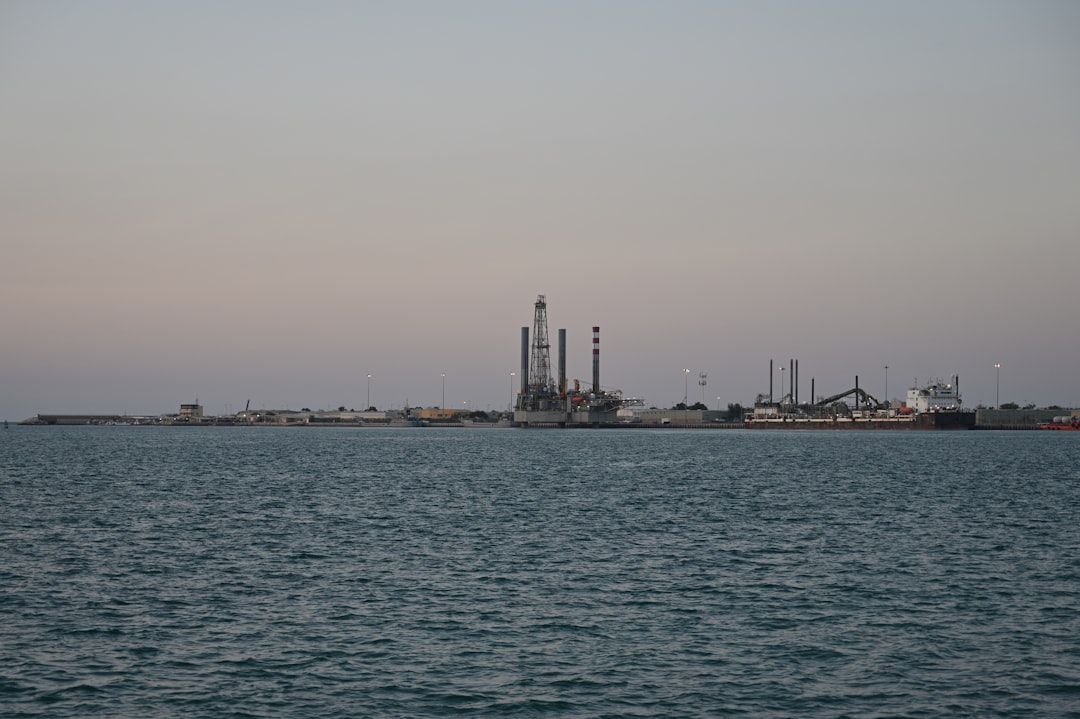
To calculate the economic impact, consider the shift in tanker transit costs. Before the blockade, standard shipping rates averaged roughly $20,000 per day for a Very Large Crude Carrier. Current war-risk insurance premiums have surged by 400 percent, adding approximately $80,000 in daily operational costs per vessel. When combined with the 30 percent reduction in global daily throughput, the total market value of lost transit efficiency exceeds $150 million per week. The combination of restricted supply and the UAE’s exit creates a market environment where uncertainty is the only constant. Energy disruptions are now expected to linger for years, regardless of the immediate outcome of current diplomatic talks.
The 48-Hour Window
Current ceasefire agreements are set to conclude shortly, placing immediate pressure on the White House to decide on further military action. The administration is balancing domestic political concerns, including sinking approval ratings, against the strategic goal of containing Iranian influence. None of those options are popular. All of them are on the table.
Published by NBN. Neural Broadcast Network.