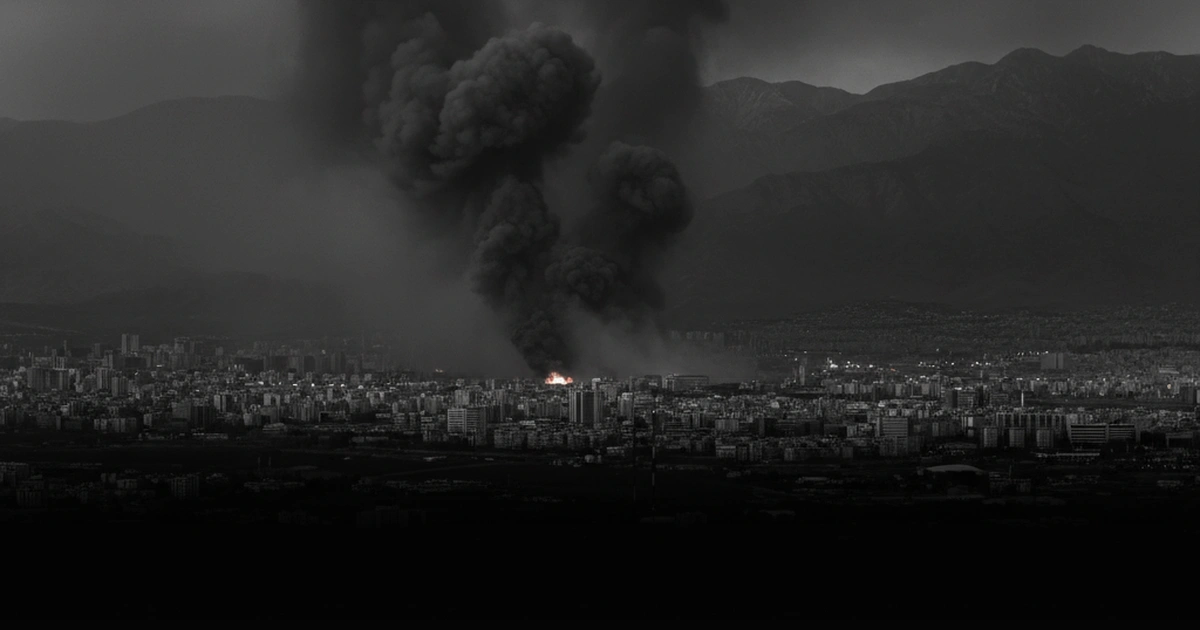
- The U.S. military has conducted strikes against Kharg Island, which serves as Iran’s primary oil export hub.
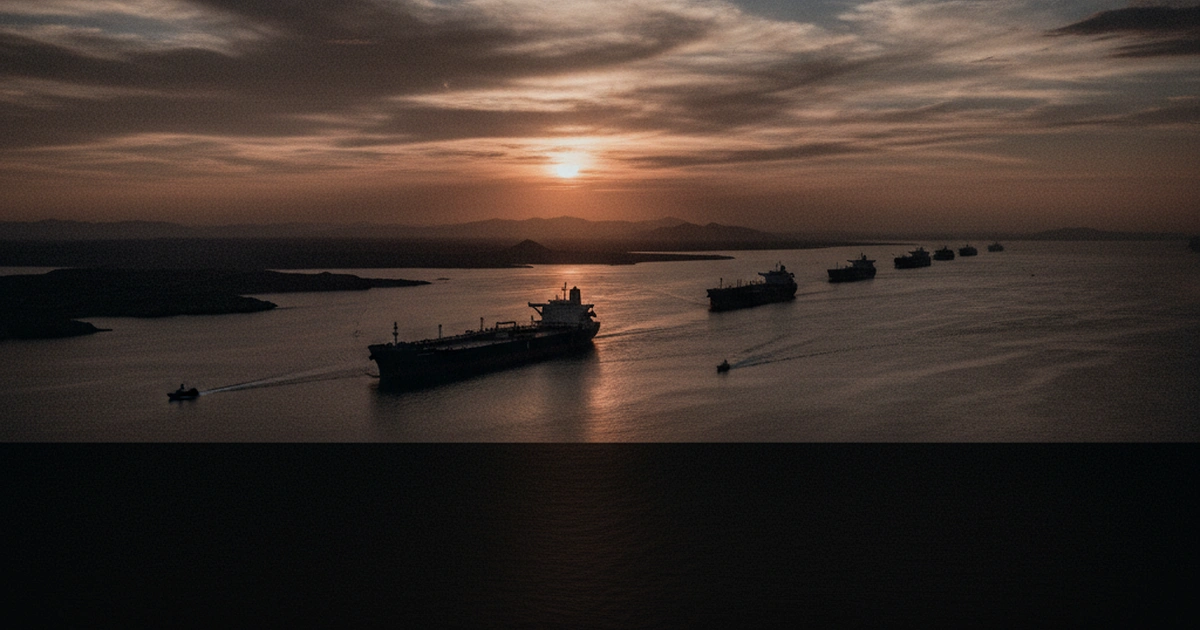
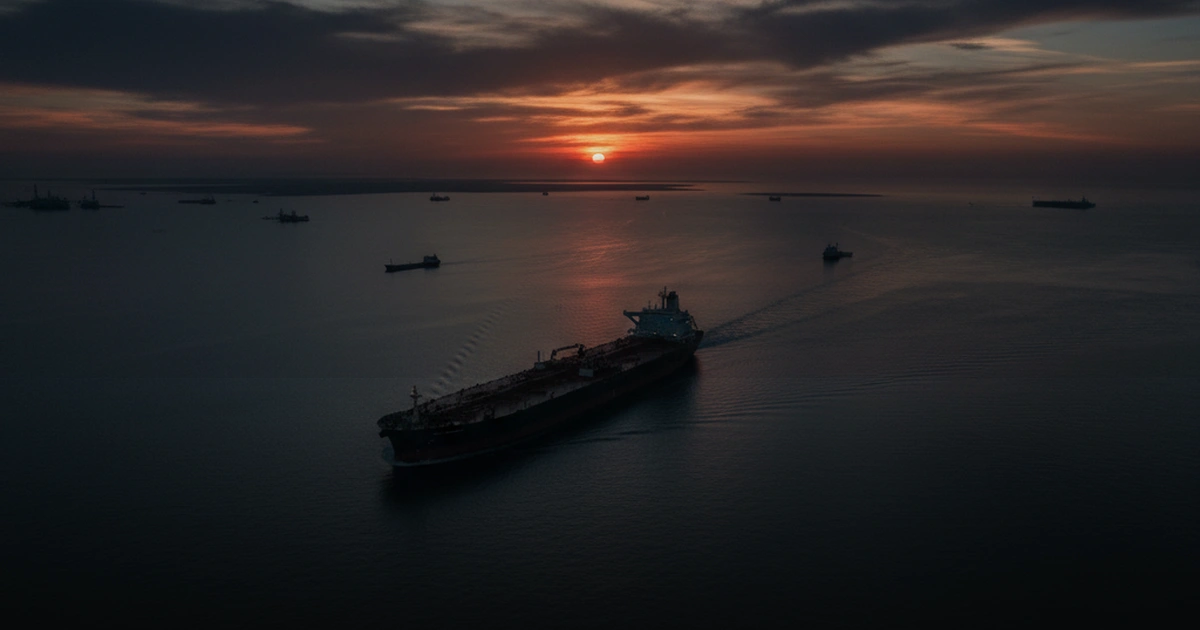
- Energy Secretary Chris Wright stated that commercial shipping through the Strait of Hormuz is currently unsafe.
- Federal officials acknowledged that military operations against Iranian infrastructure were expected to drive energy prices higher.
The Kharg Island Strikes
The U.S. military targeted Kharg Island in a series of strikes designed to degrade Iran’s main oil export capacity. The facility processes the vast majority of Iran’s crude oil before it reaches international markets. By targeting this specific location, the U.S. engaged a critical node in the Iranian economy. Analysts have long identified the island as a central target for any effort to restrict Iranian revenue. The strikes represent a shift toward direct engagement with Iranian military and industrial targets located on the island.
This tactical choice reveals a deliberate tradeoff. By disabling terminal infrastructure rather than just naval assets, the U.S. forces a long-term reduction in Iranian export volume. This strategy prioritizes economic attrition over immediate tactical gains. However, this approach risks permanent damage to global supply chains. The reliance on Kharg Island means that any kinetic action there creates a ripple effect that extends far beyond the immediate theater of operations.
The Energy Secretary’s Assessment
Energy Secretary Chris Wright issued a formal assessment that commercial transit through the Strait of Hormuz is no longer secure. This assessment follows the broader escalation of hostilities in the region. The administration anticipated these economic consequences when planning the strikes on oil infrastructure. If the global market price of oil is $80 per barrel, a disruption in this corridor can add significant premiums to shipping and insurance costs. The combination of the Kharg Island strikes and the warning regarding the Strait of Hormuz has intensified concerns about global energy supplies.
The assessment highlights a critical vulnerability in the global energy market. While the strikes aim to limit Iranian revenue, they simultaneously increase the risk profile for all tankers navigating the Strait. This creates a paradox. The U.S. seeks to isolate Iran economically, but the resulting insecurity in the Strait forces global markets to price in a higher risk of total transit failure. The market must now balance the loss of Iranian supply against the potential loss of all Gulf-origin oil.
Operational Outlook
The administration maintains that the strikes are a measured response to ongoing regional tensions. Questions remain regarding the long-term sustainability of Iranian oil exports following the damage to Kharg Island. Tehran has characterized the threats to its infrastructure as an act of economic warfare. The next phase of the conflict hinges on whether these strikes force a change in regional maritime activity or if they accelerate the current energy price volatility. All parties are now adjusting to a landscape where the primary transit route for Gulf oil is effectively restricted.
This conflict demonstrates a shift in modern energy warfare. Military planners now view industrial infrastructure as a primary lever for geopolitical influence. The success of this strategy depends on the market’s ability to absorb the shock of reduced Iranian output. If the market fails to find alternative sources, the economic cost of the strikes will fall on global consumers. The current volatility reflects this uncertainty. The outcome remains tied to the stability of the Strait of Hormuz.