- Iranian delegates arrived in Islamabad for ceasefire talks with the United States while continuing to demand transit tolls for ships in the Strait of Hormuz.
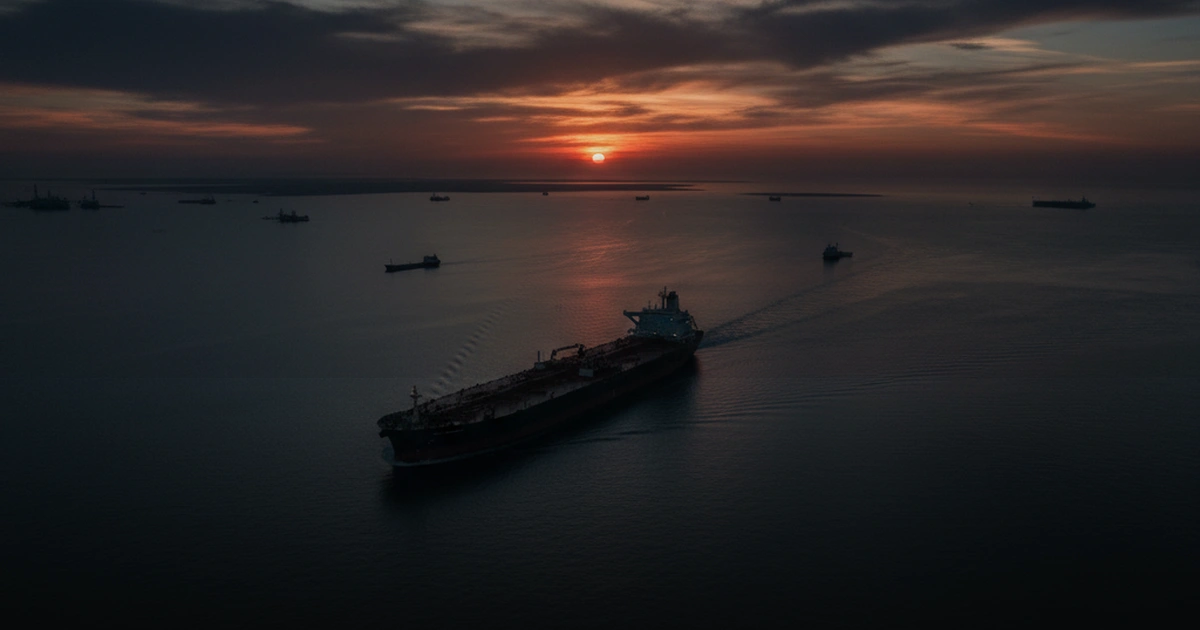
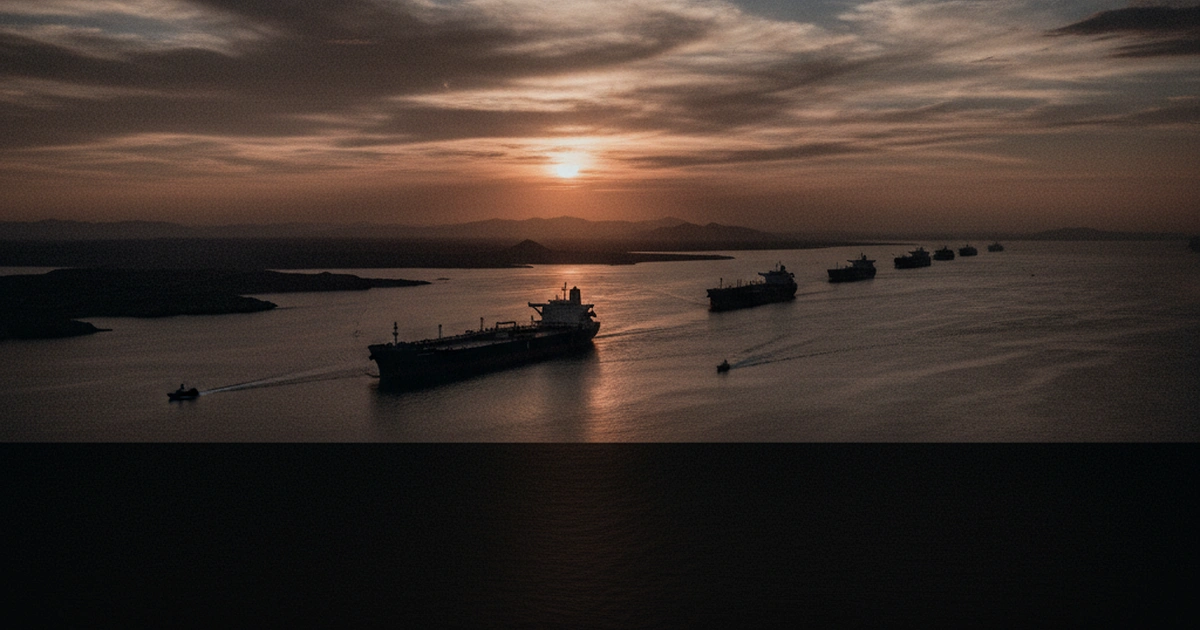
- Shipping traffic in the vital waterway remains at a virtual standstill as Iran struggles to locate and remove its own naval mines.
- U.S. Vice President JD Vance leads the American delegation, warning Tehran against attempting to leverage the shipping blockade during negotiations.
The Islamabad Summit
Delegations from the United States and Iran converged on Islamabad on April 10, 2026, to navigate a fragile ceasefire. Vice President JD Vance leads the U.S. team. He arrives with a mandate to end the conflict while warning Iranian leadership against exploitation of the shipping blockade source. The talks, hosted in Pakistan, face friction as Iran insists on preconditions, including the release of frozen assets, before full negotiations proceed source.
The diplomatic atmosphere reflects deep mutual distrust. Both sides maintain a posture of military readiness. Tehran enters these talks emboldened by its ability to disrupt regional trade but remains wounded by weeks of systematic U.S. strikes source. For the U.S., the priority remains securing the release of detained Americans and re-establishing maritime security in the Persian Gulf source.
The Economic Chokehold
The most significant tactical hurdle to a lasting peace is the status of the Strait of Hormuz. Shipping traffic through the waterway has plummeted to a virtual standstill. It remains paralyzed by the presence of Iranian naval mines source. Intelligence reports indicate that Iran currently struggles to locate or remove all the mines it planted. This complicates any effort to resume normal commercial transit source.
The economic implications are immediate and global. Iran attempts to exploit this blockade by demanding that remaining tankers pay transit tolls. In some instances, Tehran requests payment in cryptocurrency source. This demand places shipping companies in a precarious position. Paying such tolls would likely violate international sanctions source. The result is a de facto closure of one of the world’s most critical energy corridors. The cost is already felt at the pump. Energy-related inflation contributed to a 0.9% jump in U.S. consumer prices during March source.
The Path Ahead
The success of the Islamabad talks hinges on whether the two sides can separate the immediate security crisis in the Strait of Hormuz from the broader political objectives of the war. U.S. officials push for a rapid reopening of the shipping lane source. Iran continues to treat the maritime blockade as its primary point of leverage. This strategy reveals a fundamental tradeoff: Iran sacrifices long-term economic stability for short-term tactical gains in the negotiation room source.
The next 48 hours will determine if this summit is a genuine gateway to de-escalation or merely a tactical pause. If the mines remain and the toll demands persist, the U.S. will face pressure to shift from diplomatic pressure to active maritime clearance operations source. None of those options are popular. All of them are on the table.