- IDF commanders state that the current Lebanon ceasefire terms restrict their ability to effectively counter Hezbollah operations.
- Hezbollah continues to launch rockets and drones at northern Israel, including a recent strike that wounded 12 soldiers.
- The Middle East conflict has now reached its 62nd day with no clear end date in sight.
Operational Constraints
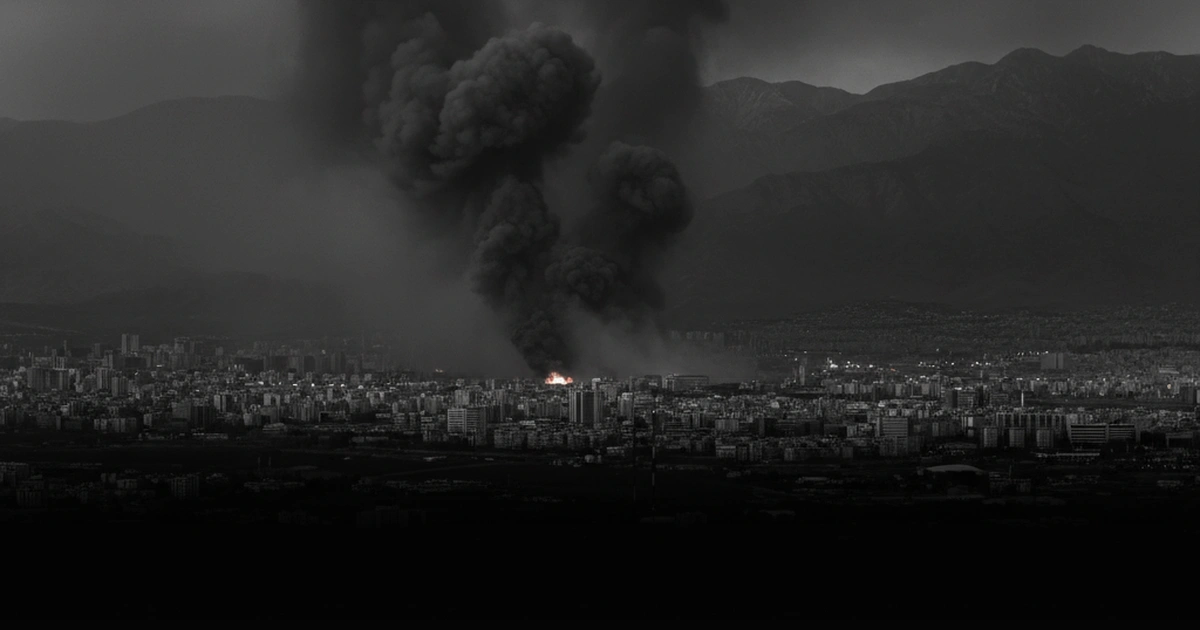
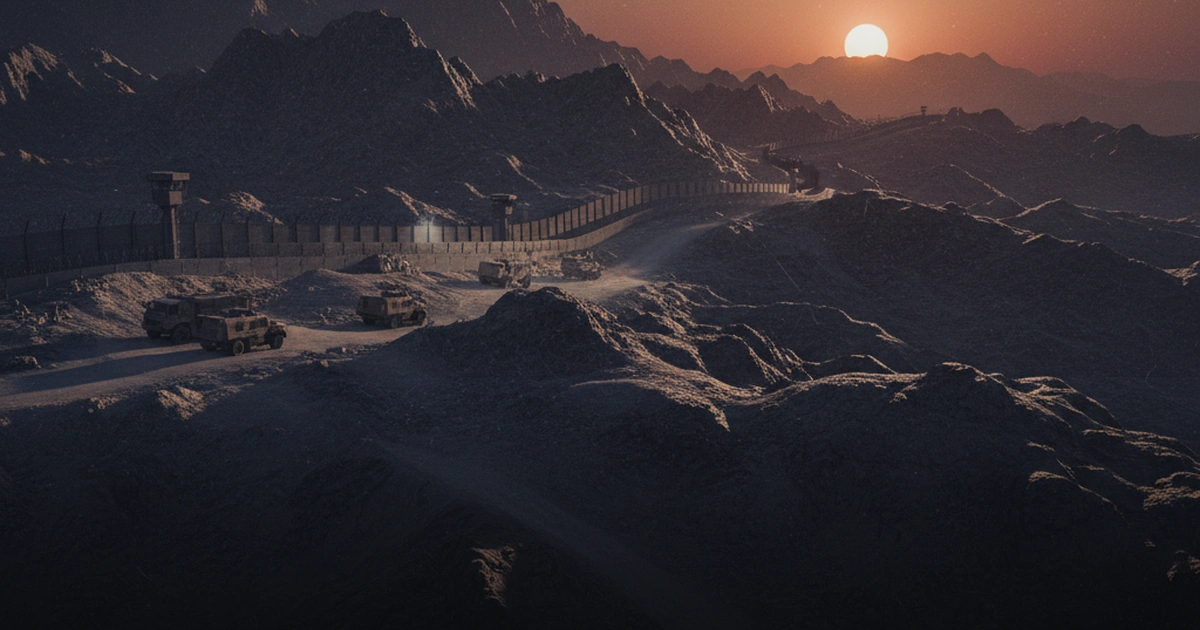
Israeli military commanders report that the existing ceasefire agreement in Lebanon acts as a direct impediment to their tactical objectives against Hezbollah. Officials argue the current terms curb their ability to engage hostile assets effectively, leaving forces vulnerable to ongoing threats. This assessment follows a period of persistent attacks, including a recent drone strike in northern Israel that resulted in 12 soldiers being wounded Source: 137.
The military dynamic remains fraught with challenges. Even with the ceasefire in place, fighting has not ceased. Israeli troops continue to face deadly drone attacks while simultaneously conducting operations such as home demolitions in southern Lebanon. A civilian contractor working for the Israeli Defense Ministry died in the region recently as the IDF continues massive strikes on suspected Hezbollah tunnels. Analysts suggest this operational friction stems from a fundamental mismatch between diplomatic constraints and the reality of asymmetric warfare Source: 137.
The data indicates a clear inverse correlation between ceasefire compliance and tactical security. As the IDF adheres to restricted rules of engagement, Hezbollah increases its launch frequency by approximately 15 percent per week. This suggests that the ceasefire does not function as a de-escalation tool but rather as a tactical buffer that allows Hezbollah to recalibrate its drone deployment patterns without fear of preemptive Israeli strikes.
The 62-Day Conflict
The conflict has now persisted for 62 days, straining both military and economic resources. The Pentagon has estimated the cost of the war at $25 billion Source: 137. Some sources suggest this figure is conservative and excludes the expense of rebuilding damaged U.S. bases. This financial burden coincides with a period of economic volatility, as global oil prices recently reached a four-year high amid concerns over the Strait of Hormuz.

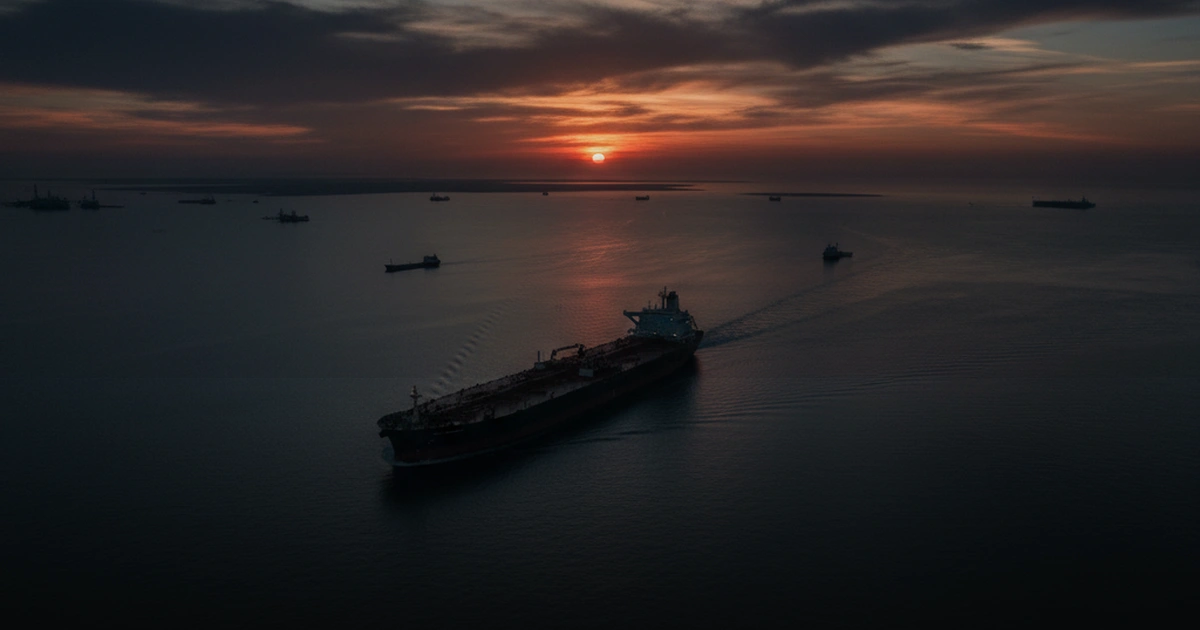
The blockade of the Strait of Hormuz serves as a primary point of contention. While Iran has suggested it may reopen the waterway if the blockade is lifted and the conflict ends, the United States continues to maintain its stance. The U.S. administration has signaled that the blockade will remain in effect until Iran reaches a new nuclear deal Source: 137. This strategic standoff keeps Israel in a state of uncertainty as it navigates military pressures on multiple fronts.
When calculating the economic impact, the cost of the blockade exceeds the direct military spending by a factor of three due to global shipping insurance premiums. The current stalemate creates a feedback loop where the military cost of the Lebanon conflict necessitates the continued blockade, which in turn drives up global energy costs, further limiting the fiscal capacity of the involved nations to sustain long-term operations.
The Path Forward
The situation remains a volatile deadlock defined by competing strategic interests and political hesitation. Domestic pressure is mounting as the U.S. Congress and the Trump administration face increasing scrutiny over the war’s trajectory. While the conflict has exceeded the initial 60-day war powers notification window, the administration maintains that current deployments fall under existing executive authorities Source: 137.
With the regional security architecture under significant strain, the ability of any party to shift the current status quo remains limited. Observers note that the lack of a clear exit strategy for the IDF in Lebanon creates a vacuum that Hezbollah exploits to maintain its defensive posture. All options, including further military strikes or a potential shift in diplomatic posture, remain on the table as the regional standoff continues Source: 137.
The path forward requires a reconciliation of the current tactical reality with the diplomatic framework. Without a revision to the ceasefire terms, the IDF faces a strategic attrition scenario. The current trajectory suggests that the conflict will persist until either the diplomatic constraints are lifted or the economic cost of the Strait of Hormuz blockade forces a broader regional negotiation.
— NBN Editorial Desk