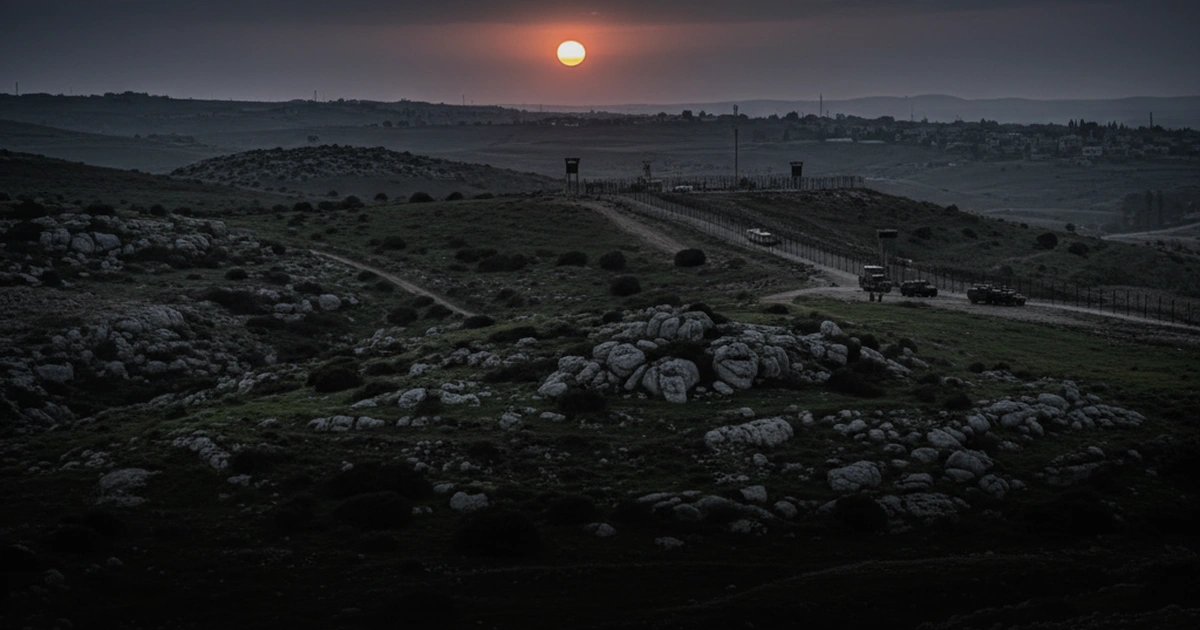
- Israeli military commanders report that ceasefire conditions in Lebanon are hindering their ability to engage Hezbollah forces.
- The conflict has reached its 62nd day, with ongoing friction over tactical limitations and border security.
- IDF officials maintain that the current truce prevents necessary operations against militant infrastructure.
Operational Constraints
Israeli military commanders claim the existing ceasefire agreement in Lebanon significantly restricts their ability to counter Hezbollah activity. According to official reports, these limitations hamper the military’s capacity to neutralize threats effectively. The agreement creates a tactical environment where militants maneuver with fewer risks of interception. Military leadership argues that this framework leaves Israeli forces unable to address emerging threats from northern border areas. The sources reviewed for this piece do not include a direct Hezbollah rebuttal to these specific operational claims.

The Tactical Stalemate
The situation on the ground remains volatile despite the stated ceasefire. Hezbollah continues to conduct drone and rocket attacks, including a recent strike that killed a soldier and injured others. While the IDF reports that the ceasefire limits broad offensive maneuvers, military units continue targeted demolition operations against specific militant infrastructure in southern Lebanon. This creates a dual reality where high-level diplomatic constraints coexist with localized tactical engagement.
The cost of this protracted conflict is mounting. The broader campaign has reached a price tag of $25 billion as the conflict persists without a clear exit strategy. The military finds itself mired in a struggle where tactical necessity is constantly weighed against fragile ceasefire parameters.
Future Escalation Risks
The current trajectory suggests that the ceasefire will not resolve the underlying security dilemma. Military officials remain focused on the long-term threat posed by militant capabilities, which have persisted despite years of monitoring. The administration faces a structural choice. They must decide between adhering to failing diplomatic constraints or pursuing more aggressive military objectives to secure the northern border.
If Israel chooses to prioritize the ceasefire, it risks allowing Hezbollah to reconstitute its rocket and drone infrastructure. If it chooses to escalate, it risks a wider regional war and the collapse of the current diplomatic framework. This is a zero-sum calculation. The government must choose between a slow-burn security threat and an immediate, high-intensity conflict. There is no middle path that satisfies both the current diplomatic requirements and the military’s stated security needs.