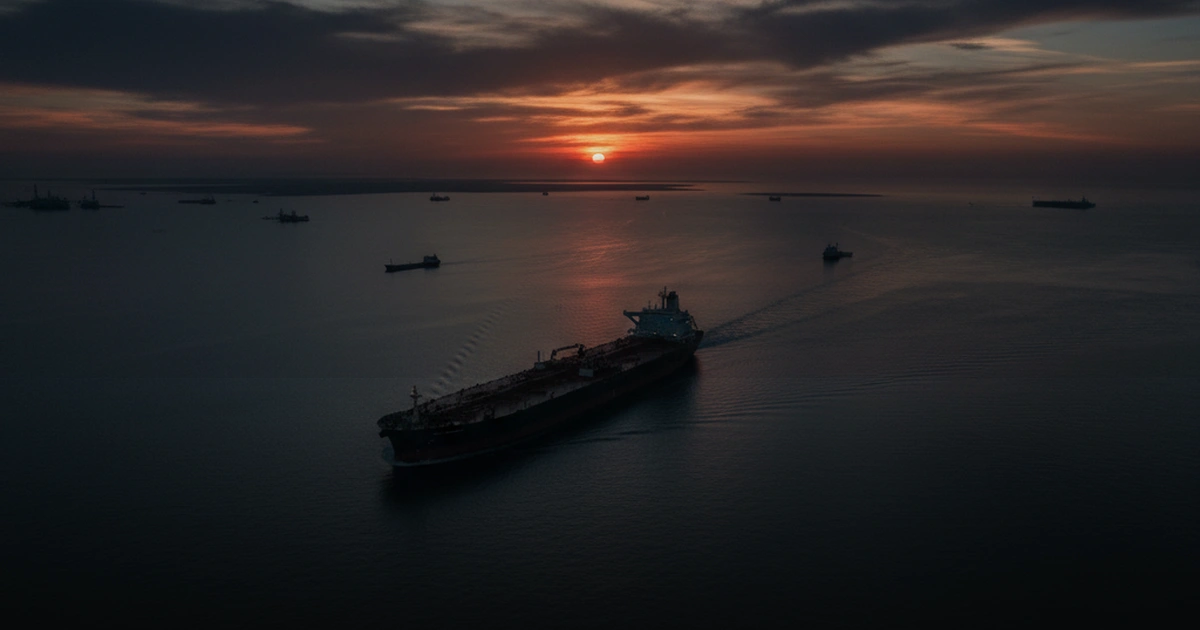
- Iran sent a new proposal to the United States on May 1, 2026, via Pakistani mediators — the sole active channel in the talks.
- The sequencing dispute is the load-bearing obstacle: Tehran wants ceasefire and Hormuz first; Washington insists nuclear constraints come first.
- Brent crude fell $0.44 to $109.96 on the news, but the $16 gap from Thursday’s $126 high shows the market is still pricing a substantial war premium.
The Pakistan Backchannel
Tehran confirmed it sent its latest proposal to Washington on May 1, 2026. The exchange occurred through Pakistani intermediaries, who continue to act as the sole link between the two sides. Pakistan Army Chief Asim Munir has maintained direct, personal contact with key U.S. figures including JD Vance and Steve Witkoff, alongside Iranian Foreign Minister Abbas Araqchi.
The proposal arrived as Tehran activated its air defenses in anticipation of potential U.S. strikes. Diplomacy remains active, but the military posture suggests neither side expects a near-term resolution. The United Arab Emirates has issued public warnings, stating that unilateral Iranian arrangements regarding the security of the Strait of Hormuz lack credibility.
The Sequencing Impasse
The current negotiations are blocked by a fundamental disagreement over the order of operations. Iran’s strategy, detailed in prior communications, follows a three-step process. Tehran proposes ending U.S.-Israeli military operations first, followed by a resolution of the current blockade at the Strait of Hormuz. Only after those conditions are met would the parties move to address nuclear constraints.

Washington’s position is the mirror image of Tehran’s. The White House insists that nuclear constraints must be addressed from the very start of any settlement. Iran continues to seek explicit acknowledgment of its right to civilian nuclear enrichment as part of any deal. This sequencing gap functions as a load-bearing obstacle for the entire diplomatic framework. Neither side is currently showing flexibility on which issue takes priority.
Market Reaction
Oil markets responded immediately. Brent crude fell 0.4% to $109.96 per barrel after IRNA published the report. U.S. crude futures dropped more than 2% on the same session.

The structural read matters more than the headline number. Brent touched $126 on Thursday. At $109.96 Friday, the market is still pricing roughly $30–35 in war premium above the pre-conflict trading range of approximately $75–80. The proposal cut about $0.44 off that premium — less than 3% of it. Traders bought the signal that a channel exists, not the probability of a deal closing. That $30 floor is the market’s estimate of what a sequencing deadlock is worth: elevated but containable, not catastrophic.