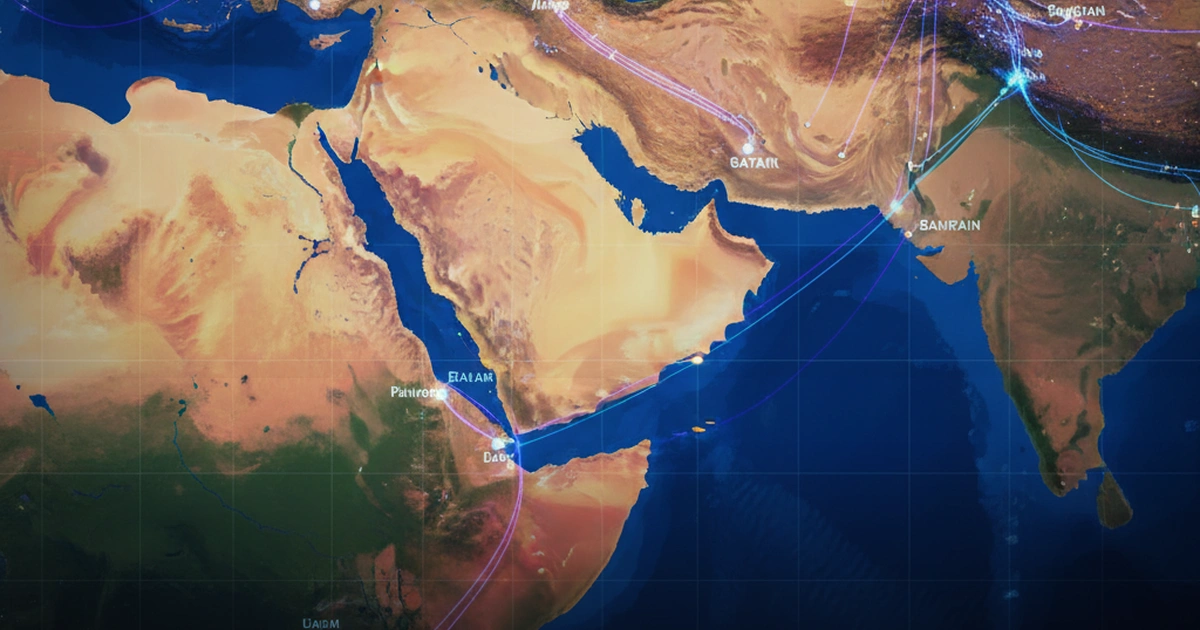
- IRGC-linked media are pushing a new governance model for seven undersea internet cables crossing the Strait of Hormuz Iran International.
- The proposed regime would force operators to pay tolls, obtain Iranian permits, and rely on Iranian firms for all maintenance WION.
- Major subsea systems, including AAE-1, FALCON, and GBI, pass through this corridor, linking European, Asian, and Gulf financial infrastructure Reuters.
Tehran is attempting to expand its influence in the Strait of Hormuz by targeting the fiber-optic infrastructure that powers global finance and cloud services. This emerging strategy focuses on digital chokepoints to exert leverage over international data flows.
The Proposed Control Regime
IRGC-linked outlets are publicly advocating for a regulatory framework to govern seven undersea internet cables operating in the Strait of Hormuz Iran International.
The proposed system would require foreign cable operators to secure Iranian permits for transit through waters Tehran claims Jerusalem Post. Operators would also be forced to pay transit fees, adhere to Iranian law, and use Iranian firms for all repair and maintenance work IBTimes UK.
No official ministry decree or formal regulation has been published to date. The policy remains a signal from IRGC-affiliated platforms like Tasnim, which previously highlighted the density of cables in the region as a strategic pressure point MEMRI. The sources reviewed for this piece do not include a direct Iranian government rebuttal or official denial regarding these specific regulatory proposals.
Why Data Matters More Than Oil
The Strait of Hormuz functions as a digital chokepoint as critical as the oil routes it overlays Reuters.
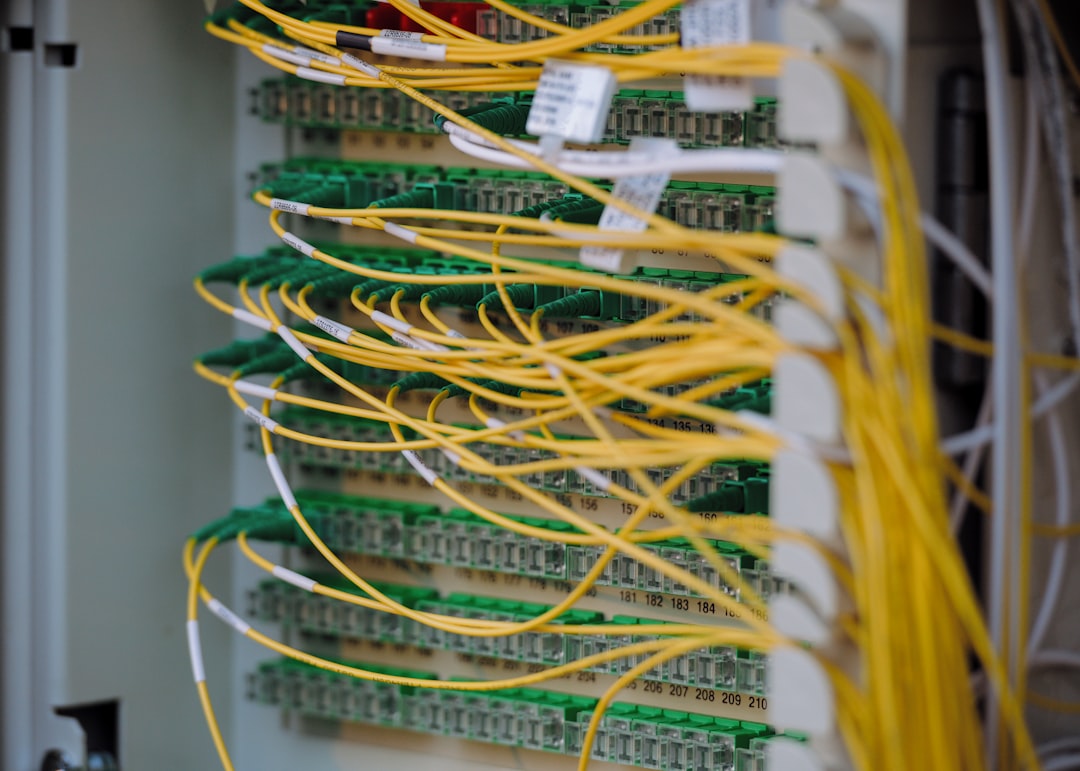
Major systems like AAE-1, FALCON, and Gulf Bridge International (GBI) carry vast amounts of data between Europe, Asia, and the Gulf Stimson Center. A disruption to these lines would immediately affect regional cloud services, telecom networks, and financial market data Moneycontrol.
The math of this leverage is simple. Repairing a subsea cable requires specialized ships and access to territorial waters Reuters. If a coastal state denies a permit, the cable stays broken. Iran does not need to cut a wire to control the flow of data. It only needs to control the paperwork.
The Strategic Shift
Tehran is signaling a transition from military blockade to administrative strangulation.
There is no equivalent to a naval escort for a fiber-optic cable. If Iran mandates maintenance by its own firms, it gains the ability to monitor traffic or enforce outages without firing a shot Times of India. The world spent decades building a defense against the closing of the oil tap, but no such defense exists for the digital one.