Iran War Math: Why All Sides Lose
- Brown University’s Costs of War Project documented that U.S. military interventions since 2001 cost $8 trillion, killed 900,000 people, and achieved none of their stated objectives within planned timeframes.
- RAND Corporation analysis found that military interventions consistently fail to achieve long-term security objectives, with actual costs exceeding pre-war estimates by 5-10x.
- Current U.S.-Iran tensions follow the same pattern as Iraq (2003) and Afghanistan (2001): clear military objectives with no viable exit strategy or sustainable political outcome.
Brown University’s Costs of War Project has tracked what the United States actually achieved with $8 trillion in post-9/11 military spending. The result: none of the stated objectives found success within their planned timeframes. Iraq didn’t become a stable democracy. Afghanistan didn’t eliminate terrorism. Libya didn’t achieve lasting peace.
Decision-makers now weigh the same tools against Iran. Historical records suggest identical outcomes: all parties lose more than they gain.
The American Precedent
Brown’s comprehensive analysis found that post-9/11 wars cost American taxpayers $8 trillion and killed 900,000 people. That includes 7,000 U.S. service members, 8,000 contractors, 177,000 national military and police, and 432,000 civilians.
No conflict achieved its stated objectives.
Iraq eliminated neither weapons of mass destruction nor instability. Afghanistan didn’t eliminate al-Qaeda or build a functioning state. The Taliban controls Afghanistan today.
RAND Corporation’s analysis of U.S. military interventions found consistent patterns. Actual costs exceed pre-war estimates by 5-10x. Political objectives remain unachieved years after military operations end.
Pentagon officials maintain different perspectives. Defense Secretary Lloyd Austin told Congress in March 2024 that military deterrence prevents larger conflicts and protects American interests globally. Pentagon strategists argue that visible military capability discourages adversaries from testing U.S. resolve.
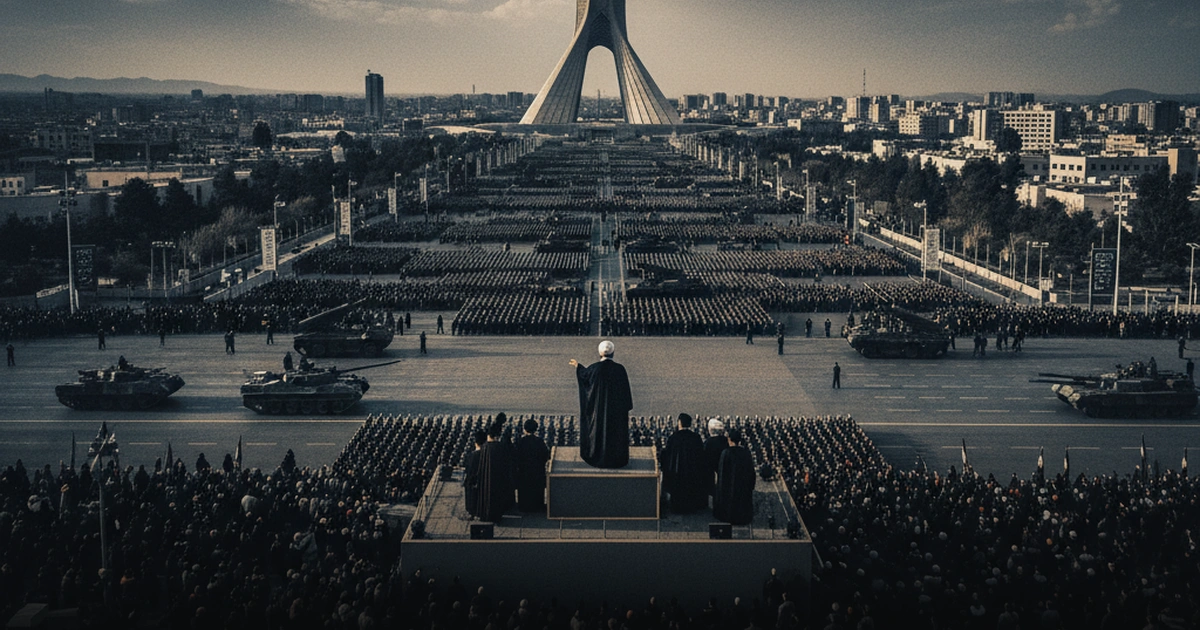
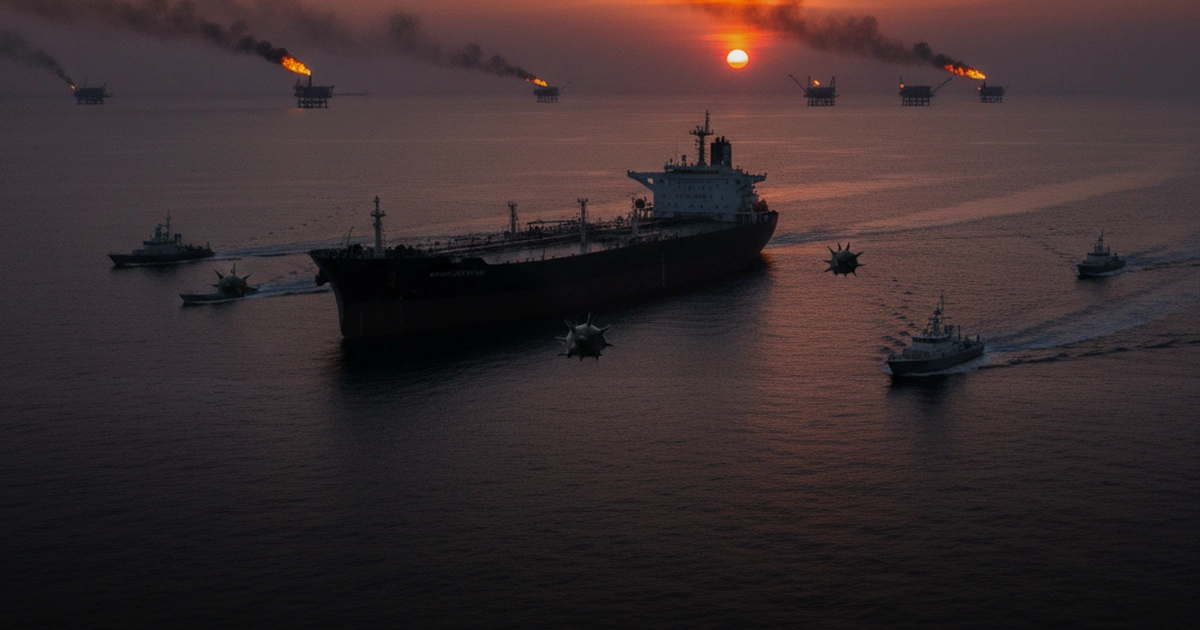
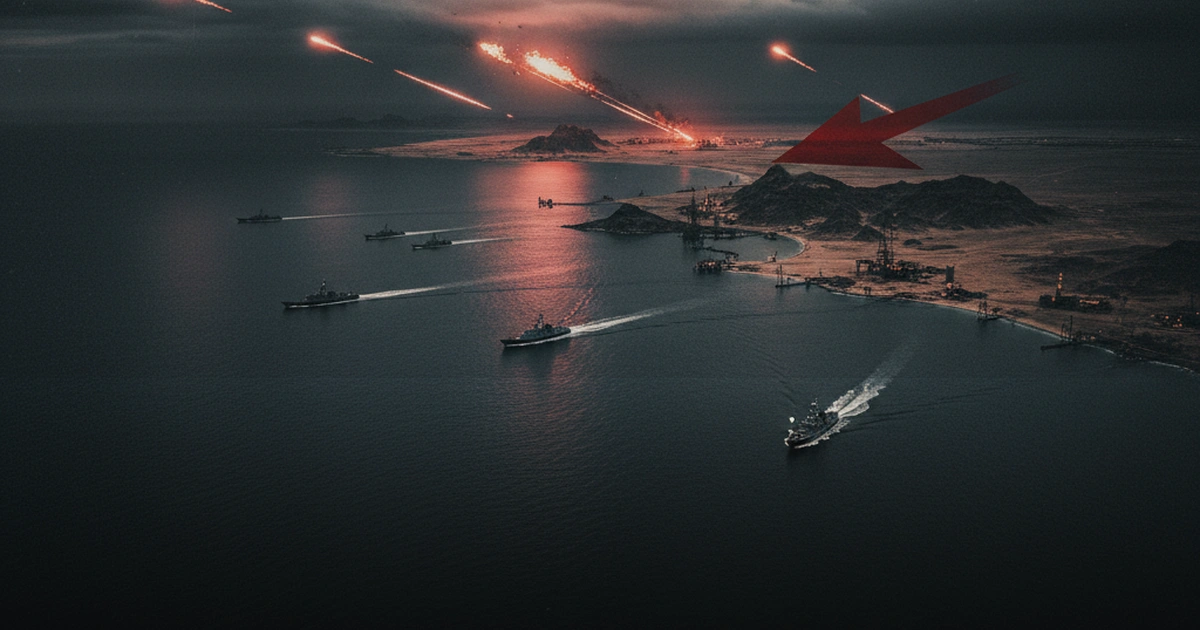
The Iran scenario follows identical templates. Clear military targets (nuclear facilities, missile sites, naval assets) exist with no sustainable political endgame. Destroy infrastructure, then what? The Special Inspector General for Afghanistan Reconstruction documented how this pattern played out over 20 years: tactical success, strategic failure, massive cost overruns.
Israel’s Security Paradox
Israel faces identical math problems. Military action produces temporary tactical gains at the cost of long-term strategic position.
Just Security’s analysis notes that Israeli strikes on Iranian nuclear facilities would set back Iran’s program by 2-3 years while guaranteeing Iran’s commitment to weaponization.
Israeli defense officials present competing calculations. Prime Minister Benjamin Netanyahu argued before the Knesset that preventing nuclear capability requires accepting short-term risks to avoid existential threats. Israeli military planners contend that early action costs less than confronting a nuclear-armed Iran later.
Economic calculations are brutal. Israel’s economy contracted 2.3% during recent conflict escalation. Brown University’s findings on civilian casualty rates in modern conflicts suggest sustained military action produces massive humanitarian costs that undermine international support.
Israel gained breathing space during previous conflicts. It never gained permanent security. Military solutions create conditions for the next conflict.
Iran’s Pyrrhic Victory Calculation
The Middle East Council on Global Affairs reports that Tehran views military confrontation as potentially beneficial despite guaranteed infrastructure losses.
The calculation: lose nuclear facilities and missile production, gain victimhood narrative and domestic unity. Lose economic capacity, gain regional influence as the state that stood up to American power.
Iranian officials frame the conflict differently. Foreign Minister Hossein Amir-Abdollahian told state media that Iran’s military posture represents defensive deterrence against Israeli and American aggression. Tehran argues that nuclear development serves peaceful purposes under international law.
Iran International analysis suggests Iran’s leadership believes war might strengthen rather than weaken the regime. War rallies domestic support and eliminates internal dissent through wartime unity.
Precedent supports this. The Iran-Iraq War lasted eight years, killed over 500,000 people, and ended with no victor. Both sides lost territory, economic capacity, and military strength. Neither achieved political objectives.
Iran rebuilds. It always rebuilds.
No Exit Strategy
Military planners focus on Day 1 objectives while ignoring Day 1,000 realities.
Carnegie Endowment’s analysis of Afghanistan found that U.S. strategy assumed destroying Taliban military capacity would create space for political solutions. Instead, it created a 20-year insurgency.
Military strategists dispute this assessment. Former Central Command chief General Kenneth McKenzie testified to Congress that sustained military pressure prevented terrorist attacks on American soil for two decades. Pentagon planners argue that tactical victories accumulate into strategic deterrence over time.
The Iran scenario has identical gaps. Destroy nuclear facilities, then what? Iran rebuilds with Chinese and Russian support while maintaining domestic legitimacy as the victim of American aggression. The Gulf International Forum warns that regional allies fear exactly this outcome: tactical success that creates long-term strategic problems.
Responsible Statecraft reports that Arab states fear a U.S.-Iran war precisely because they understand the mathematics. Military action doesn’t solve the Iran problem. It makes it everyone else’s problem.
Winners: Moscow and Beijing
The only consistent winners in U.S. Middle East interventions have been America’s strategic competitors.
Brookings analysis found that the Iraq War strengthened Iranian influence in the region while draining American resources and attention from Asia-Pacific competition. China’s military budget grew from $20 billion to $250 billion during the Iraq and Afghanistan wars.
A U.S.-Iran conflict follows identical patterns. America spends $2-3 trillion over a decade managing Iranian retaliation and reconstruction while China consolidates control over Taiwan and the South China Sea.
Russia gains energy market leverage as Iranian oil exports drop and global prices spike. TIME’s analysis notes that prolonged conflict serves Russian interests by keeping American attention and resources focused on the Middle East rather than Ukraine or European security.
Every dollar and soldier committed to Iran is a dollar and soldier not available for great power competition.
The No-Win Theorem
Brown University’s research proves that modern military interventions consistently fail to achieve stated political objectives while imposing massive costs on all participants.
The United States loses blood, treasure, global credibility, and readiness for Pacific competition. It gains temporary nuclear delay at best.
Israel loses economic stability, civilian security, and international standing. It gains breathing space, not permanent safety.
Iran loses nuclear infrastructure, economic capacity, and possibly regime stability. It gains victimhood narrative and rebuilds with foreign support.
Foreign Affairs analysis documents why force consistently fails to produce lasting political change in modern conflicts.
Nobody wins a war with Iran.