Israel Hacked Tehran Traffic Cameras to Track Khamenei
- Israel hacked Tehran’s traffic camera network to track Supreme Leader Khamenei for months before the February 28, 2026 strike
- The CIA mapped Khamenei’s movements using data from Chinese-built surveillance cameras (Hikvision, Dahua, Tiandy brands)
- Tehran’s surveillance grid became the targeting system for Israel’s most precise decapitation strike in modern warfare
Israel turned Tehran’s traffic cameras into a kill chain.
Israel infiltrated Tehran’s traffic monitoring network to track Supreme Leader Ali Khamenei’s movements for months before the February 28, 2026 strike, according to Financial Times reporting. The same cameras installed to monitor Tehran’s streets became the targeting infrastructure for the most precise assassination attempt in modern warfare.
Civilian infrastructure became the weapon. The traffic lights watching Tehran’s intersections were watching Khamenei.
The Months-Long Hunt
The CIA mapped Khamenei’s movements and locations for months before the strike, The New York Times reported. The tracking operation ran continuously, building a pattern-of-life analysis that identified when and where Khamenei would be vulnerable, CBS News confirmed.
Khamenei’s security protocols required him to move unpredictably through Tehran. Different routes. Different timing. Different safe houses. The randomness was supposed to be protection.
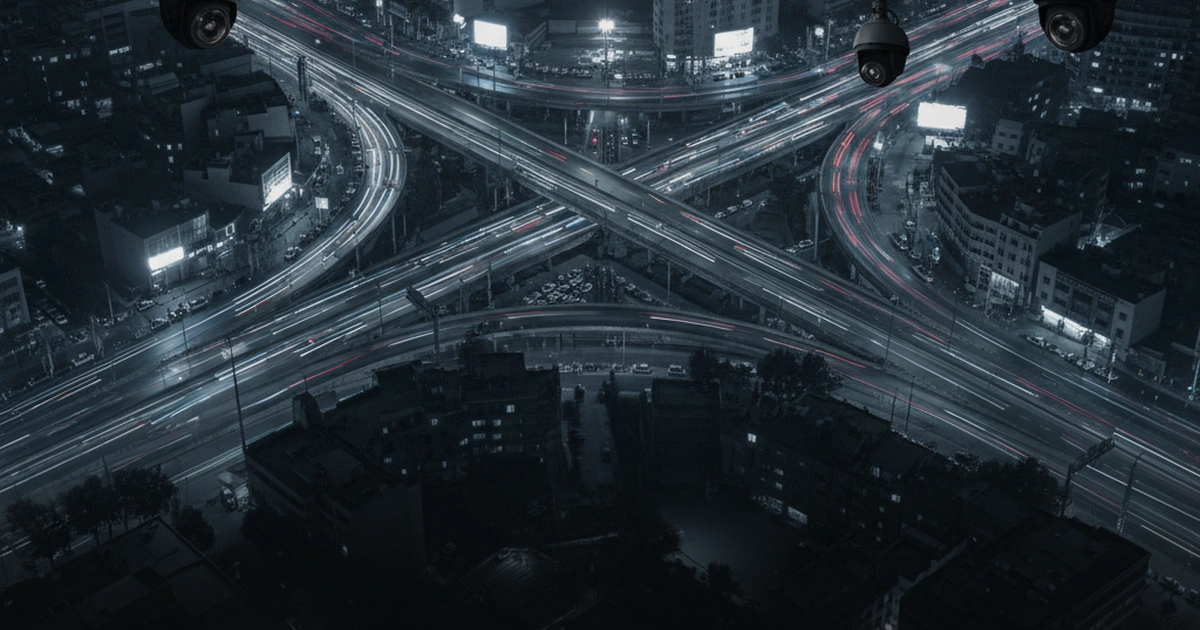
Traffic cameras see everything. Every intersection. Every turn. Every arrival and departure. Israel’s hack converted Tehran’s traffic management system into a citywide tracking grid.
Israeli forces knew exactly where Khamenei would be on February 28, 2026, at 14:32 local time. They missed him by eleven minutes.
The Chinese Hardware Problem
Tehran’s surveillance grid runs on Chinese hardware: Hikvision, Dahua, and Tiandy cameras installed throughout the city’s traffic management infrastructure, The Guardian’s Tehran Bureau reported. These systems were designed for municipal monitoring, not military-grade security.
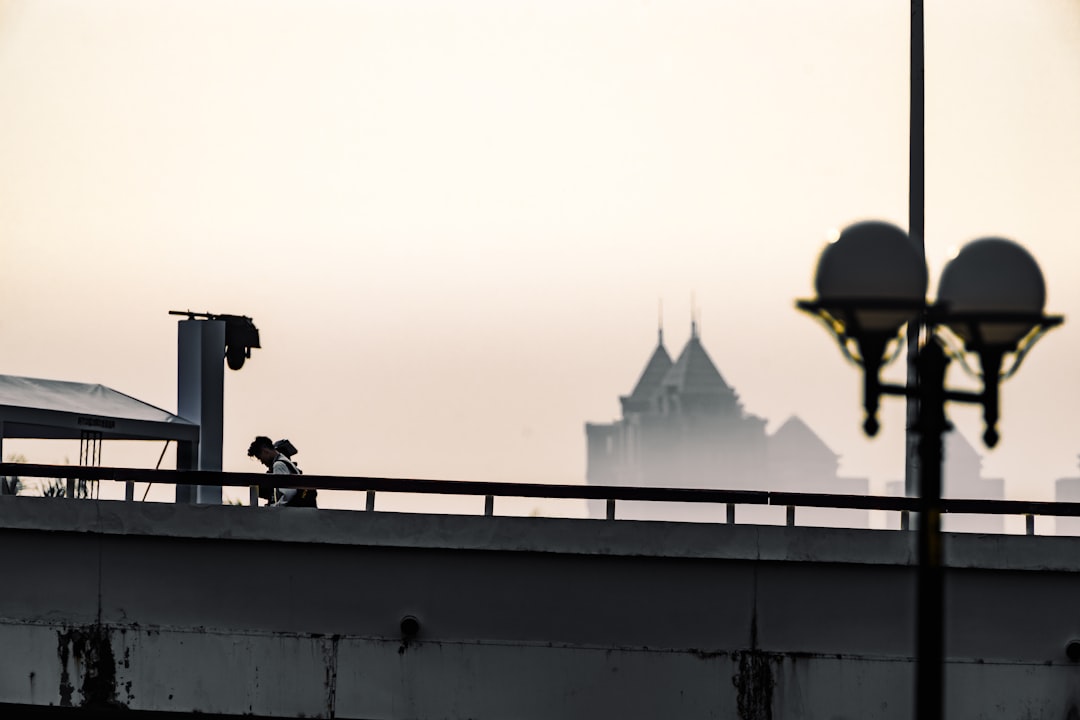
Hikvision and Dahua Technology dominate global surveillance markets. Both companies have documented security vulnerabilities. The cameras broadcast to central monitoring stations using protocols that were never hardened against state-level cyber intrusion.
Iran’s decision to build its capital’s traffic grid on Chinese commercial hardware created the entry point. The cameras that were supposed to manage Tehran’s congestion became windows into the Supreme Leader’s security bubble.
Iran installed Chinese surveillance technology to monitor its own population. Israel repurposed that same technology to monitor Iran’s leadership.
The Kill Chain Architecture
Israel’s operation followed a precise sequence:
- Infiltration: Hack traffic camera network to gain surveillance of Tehran’s streets
- Pattern Analysis: Map Khamenei’s movements over months to identify predictable elements
- Real-Time Tracking: Use camera feeds to confirm target location and timing
- Strike Coordination: Launch precision munitions based on camera-confirmed intelligence
The strike hit Khamenei’s confirmed location with precision, ISW’s February 28 Iran update noted. The target building suffered complete destruction. Khamenai had departed eleven minutes before impact.
The precision suggests real-time intelligence feeding directly into the targeting system. Traffic cameras provided that real-time feed.
Iranian Response
Iranian officials have disputed the intelligence claims. Tehran’s security council spokesman called the traffic camera allegations “fabricated propaganda designed to justify aggression against civilian infrastructure,” . Iran’s Foreign Ministry spokesperson stated that “these accusations are part of a systematic disinformation campaign,” adding that Iran’s traffic systems “operate under full sovereign control,” .
The Iranian Revolutionary Guard Corps has announced new security protocols for Tehran’s surveillance network, though specific details remain classified.
The New Rules of War
This operation breaks new ground in targeted killing. Operation Roaring Lion sets precedents for using civilian infrastructure in targeted killings that extend far beyond established international law frameworks, according to Chatham House analysis by Mark Weller.
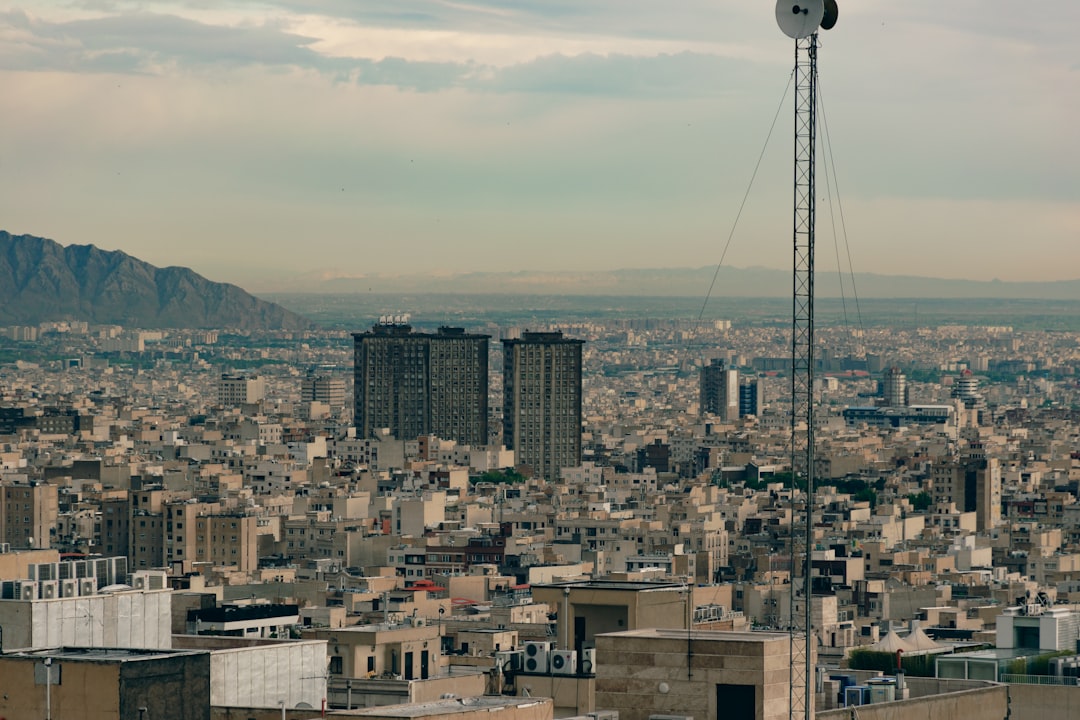
Previous Israeli operations relied on human intelligence or satellite surveillance. The 2020 assassination of Mohsen Fakhrizadeh used an AI-controlled machine gun. The 2024 Hezbollah pager explosions compromised communication devices. But those operations targeted military infrastructure or dual-use technology.
Traffic cameras are purely civilian. They manage municipal services. Turning them into targeting infrastructure crosses a line that cyber warfare doctrine has not yet addressed.
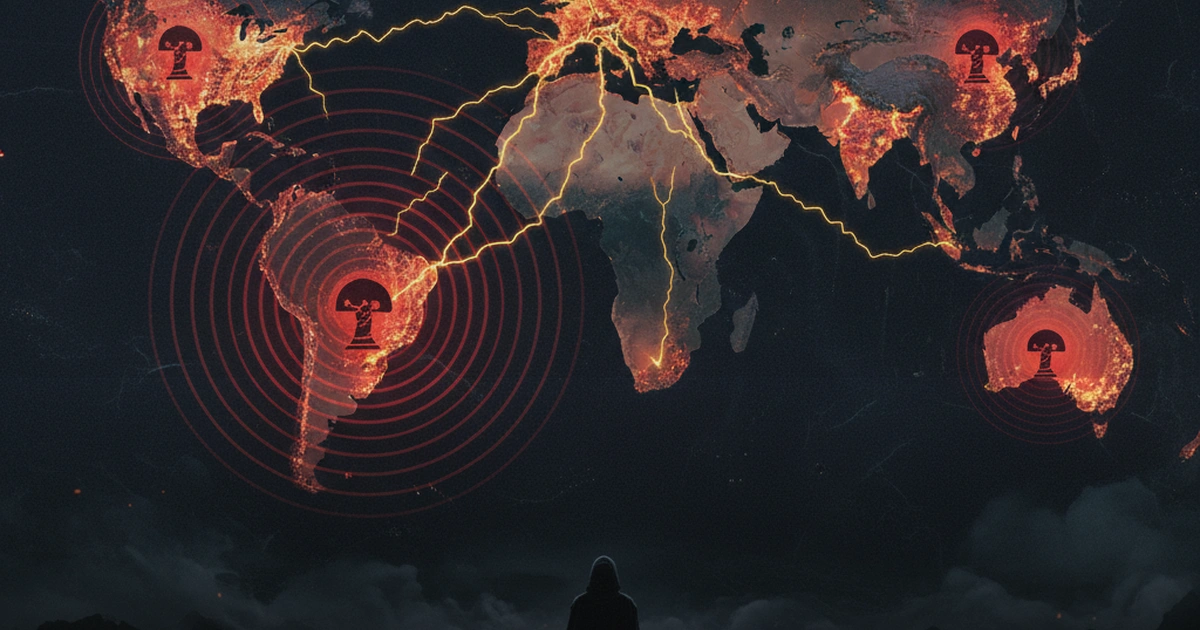
The distinction matters because every major city now runs on Chinese surveillance hardware. Beijing, Moscow, Delhi, Lagos, São Paulo. If traffic cameras become legitimate military targets, urban surveillance infrastructure everywhere becomes fair game.
If compute infrastructure is the new oil, the Gulf war raises the stakes for civilian technology in military operations, CSIS analysis by Yucubian and Zabin notes.
What Iran Cannot Fix
Iran faces an impossible choice. Tehran’s traffic grid requires Chinese hardware because domestic alternatives do not exist. Iranian technology companies cannot manufacture surveillance cameras at the scale and cost that Chinese firms provide.
But keeping Chinese cameras means keeping the vulnerability that nearly killed Khamenei. Iran’s critical infrastructure runs on foreign hardware throughout multiple sectors, Bellingcat’s investigation into the February 28 strikes confirms.
Iran can replace the cameras. The replacement cameras will still be Chinese. Hikvision and Dahua control 60% of global surveillance markets. The alternatives are other Chinese companies or prohibitively expensive Western systems that Iran cannot import under sanctions.
The traffic camera hack demonstrates how technological dependence becomes military vulnerability. Iran built its capital’s infrastructure on foreign hardware. That hardware became the weapon used against Iran’s leadership.
Every camera watching Tehran’s streets is now a potential targeting system.