Mojtaba Khamenei Takes Power as Iran’s Oil War Hits $200 Billion
- Iran’s Assembly of Experts named Mojtaba Khamenei, 55, as Supreme Leader after his father’s death
- The war has cost Iran $200 billion in damaged oil infrastructure and lost exports since March
- Iran’s missile stockpile dropped from 3,000 to under 400 operational units in six weeks
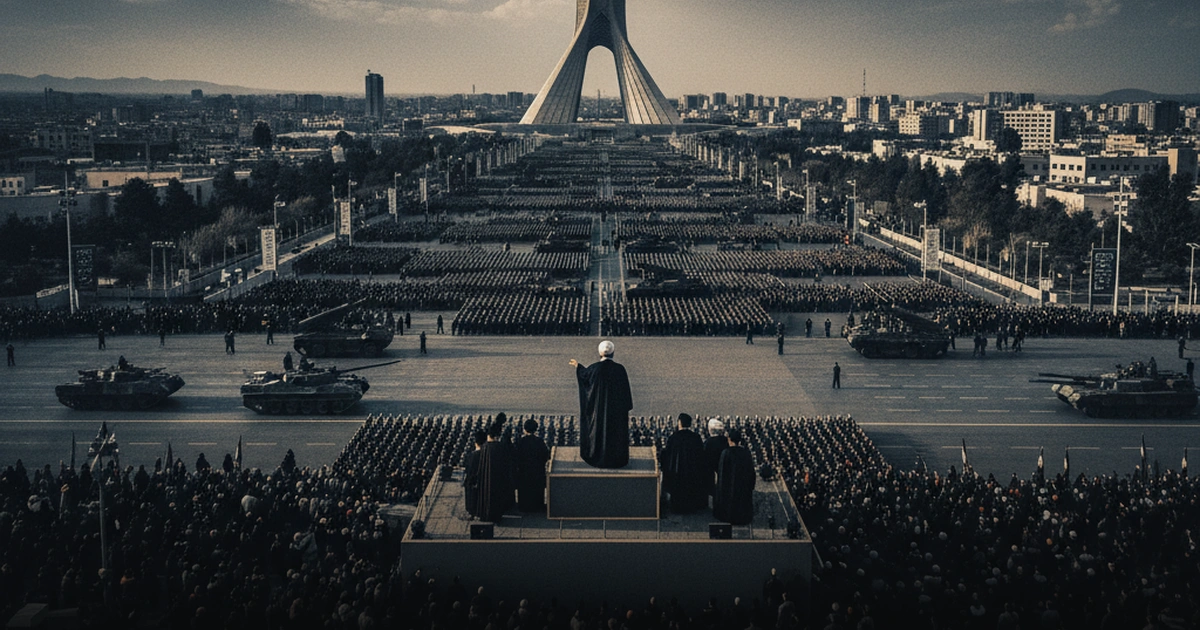
Iran has a new Supreme Leader and a $200 billion problem. The Assembly of Experts named Mojtaba Khamenei as the country’s next Supreme Leader hours after his father Ali Khamenei died of complications from surgery. The 55-year-old cleric inherits a country whose oil infrastructure is burning and whose missile arsenals are nearly empty.
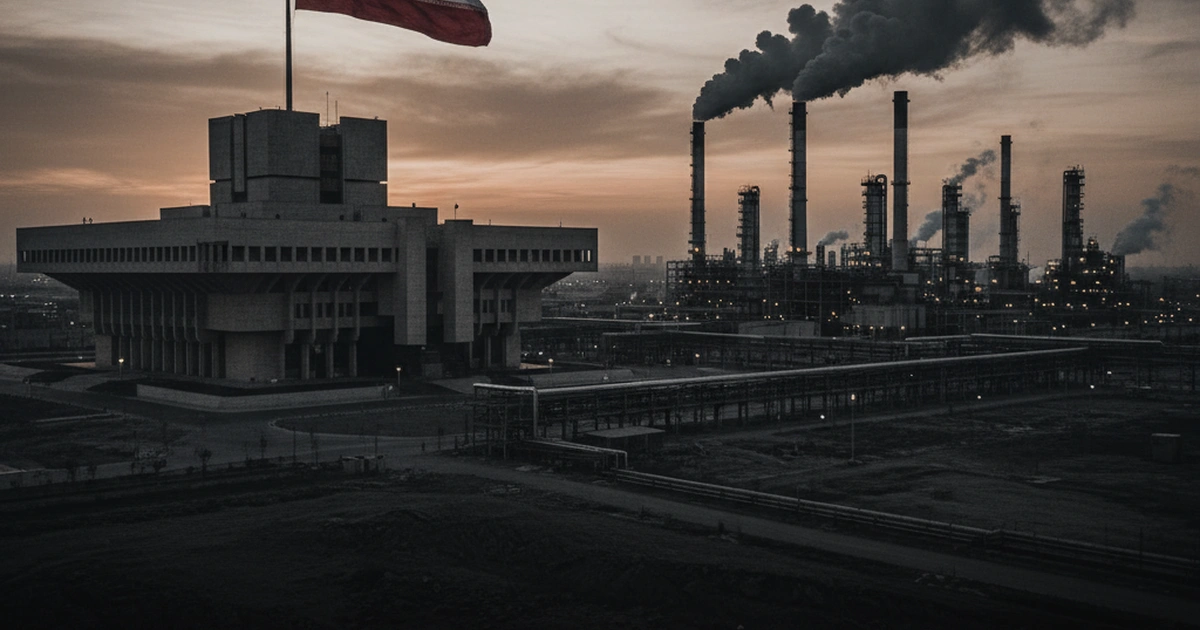
The timing could not be worse. Iran’s oil exports have collapsed from 2.1 million barrels daily to 340,000 as Israeli strikes systematically target refineries, ports, and pipelines. The country burns through $8 billion monthly in lost revenue while spending $12 billion on weapons replacement and war operations.
The Succession
The Assembly of Experts voted 78-10 to install Mojtaba Khamenei immediately rather than wait for the traditional 40-day mourning period. Three members walked out during the session, calling the vote “illegitimate” and demanding a full theological review.
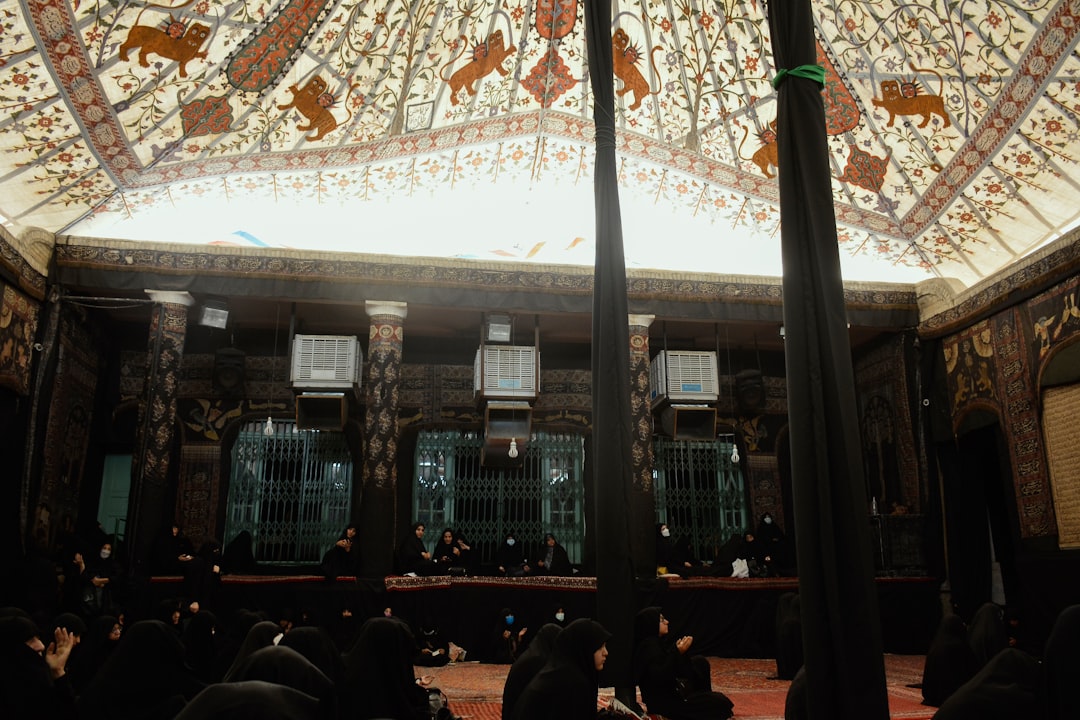
Mojtaba Khamenei has operated in his father’s shadow for two decades, managing succession planning and Revolutionary Guard coordination. Unlike his father, who took power after eight years of war with Iraq, the new Supreme Leader faces an active conflict with no clear end. His first statement called for “strategic patience” and “resource preservation.”
Israeli Defense Minister Yoav Gallant disputed Iran’s claims of strategic calm. He told the Knesset that “Iran’s new leadership inherits military weakness, not strength,” adding that Israeli intelligence tracked “systematic degradation” of Iranian capabilities. The assessment directly contradicts Tehran’s public messaging about “strategic patience.”
The succession breaks 47 years of precedent. Every previous Supreme Leader came from outside the founder’s family. Ayatollah Ruhollah Khomeini’s son Ahmad was specifically passed over in 1989 to avoid dynastic rule. The Assembly’s rush to install Mojtaba suggests fear of a power vacuum during wartime.
The War’s Price Tag
Iran’s oil war began as leverage. It has become a financial catastrophe. The country exported 2.1 million barrels daily in February. Current exports sit at 340,000 barrels, an 84% collapse that costs $8 billion monthly at current prices.
The damage extends beyond lost sales. Israel’s systematic targeting destroyed 60% of Iran’s refining capacity, forcing the country to import gasoline for the first time since 2019. Domestic fuel rationing began April 10. Lines at Tehran gas stations stretch for miles.
Iran’s missile stockpile tells the same story. Intelligence estimates put the country’s operational medium-range missiles at under 400 units, down from 3,000 in March. Each Fateh-313 costs $2 million to replace. Each Zolfaghar costs $8 million. Iran fires 50-80 missiles weekly and produces 12.
Western intelligence assessments align with Israeli military briefings on Iranian capacity. NATO Secretary-General Jens Stoltenberg told reporters that alliance intelligence “confirms significant degradation of Iranian missile production and oil export capabilities,” though he declined to specify intelligence sources or methods.
The math is unsustainable. Iran spends $20 billion monthly on war operations and replacement weapons while earning $1.7 billion from crippled oil exports. The Central Bank of Iran suspended foreign currency auctions April 12 as reserves dropped below $40 billion.
The Inheritance
Mojtaba Khamenei inherits three impossible choices. Continue the war and bankrupt the country within six months. Negotiate from weakness while oil infrastructure burns. Or escalate with weapons that might trigger direct US intervention.
His father chose escalation over negotiation for 35 years. The son faces different constraints. Iran’s oil revenue funded that defiance. Without it, the Islamic Republic cannot sustain its regional proxies, domestic subsidies, or military modernization. Bread riots began in Mashhad as food subsidies disappeared.
The new Supreme Leader’s first test comes within days. Iran promised retaliation for the April 12 strike on Bushehr nuclear facility. The country has 380 operational missiles left and no functioning oil ports. Every missile fired is irreplaceable. Every day of war costs $650 million the treasury does not have.
Regional analysts question whether Iran can maintain its current trajectory. The International Crisis Group’s Iran Project Director described the succession as “a leadership transition under maximum pressure,” noting that “economic constraints now limit Iran’s strategic options in ways not seen since the 1980s.”
None of those options are popular. All of them are on the table.